Table of contents
Get Started with Kwikly
Get the latest updates, insights, and exclusive content delivered straight to your inbox.
Who This Article Is For
- Anyone considering a career as a dental assistant and wanting to understand the day-to-day work
- New dental assistants looking for a clearer picture of real clinical responsibilities
- Students exploring dental career paths and comparing hands-on roles
- Dental offices onboarding new assistants who need an overview of daily expectations
- Dental professionals curious about how Kwikly supports flexible, reliable staffing
Key Takeaways
- You’ll be the one getting exam rooms ready, greeting patients, and making sure everything’s clean and safe before and during dental work—key dental assistant duties like preparing the treatment room, assisting the dentist, and handling administrative tasks.
- Your job includes helping the dentist during procedures, taking X-rays, and following strict cleaning rules to keep patients safe. The dental assistant's daily duties include a diverse range of clinical and administrative responsibilities that are essential for smooth dental practice operations.
- Besides the hands-on stuff, you’ll handle paperwork, teach patients about taking care of their teeth, and you might even use platforms like Kwikly if you want flexible scheduling and good pay.
- Keep in mind, duties vary depending on the dental office and state regulations, so your specific responsibilities may change.
Thinking about becoming a dental assistant? Or maybe you’re just curious about what they actually do all day? This article offers a day in the life of a dental assistant, highlighting the variety and excitement that make this profession unique. From getting rooms ready to helping with procedures, this article breaks down what you can expect if you’re working as a dental assistant, giving you a glimpse into the dynamic and rewarding life of a dental professional.
Dental Assisting Training and Education
If you're thinking about becoming a dental assistant, you're probably wondering where to start. The good news is, it's pretty straightforward. Most people kick things off by enrolling in a dental assisting program at an accredited school. These programs can be anywhere from a few months to two years, depending on what you're looking for. They're designed to get you ready for the real deal—working in a busy dental office where things move fast.
When you're in your dental assisting program, you'll pick up everything you need to know. We're talking infection control, scheduling appointments, handling dental tools, and getting exam rooms ready for patients. The coursework covers all the essentials like dental procedures, patient care, and dental health. You'll even learn some specialized stuff like taking dental impressions and helping out with oral surgery. Plus, you'll get hands-on experience with lab work and figure out how to keep patient records organized and current.
Once you've finished your training, you can take the Certified Dental Assistant exam from the Dental Assisting National Board. Passing this test is a big step toward becoming a registered dental assistant. Chances are, your state might want you to have additional education or certifications too, like a high school diploma or specific training in radiography.
Being a dental assistant isn't just about the technical stuff—you'll also develop solid people skills and get really good at staying organized. These are huge when it comes to educating patients, going over medical history, and keeping the dental office clean and safe. You've got to be detail-oriented and able to handle multiple things at once, whether you're managing patient appointments, supporting dentists and dental hygienists, or making sure exam rooms are ready to go.
The job outlook for dental assistants is really strong right now. There's a growing demand for skilled professionals in dental practices everywhere. With the right education and a genuine interest in helping people, you can look forward to a rewarding career in the dental field where you're making a real difference in patient care every single day.
Dental Assistant Duties: A Day in the Life of a Dental Assistant
Morning Preparations at the Dental Office
Your day starts way before the first patient walks through the door. Getting ready in the morning is huge if you want the dental office to run smoothly. One of your key responsibilities is to prepare exam rooms for the day’s appointments. You’ll also be reviewing the patient schedule to organize and prepare for each appointment, checking who’s coming in, and making sure their files are ready to go. This stuff sets the tone for everything that follows.
Setting up the rooms with all the necessary tools and instruments is on you. You’ll be arranging everything the dentist needs for different treatments, making sure it’s all in the right place and ready to use. We’re talking mirrors, explorers, drills, plus materials like fillings and impression trays. You can’t mess this up because if you don’t have the rooms and tools ready, you’re looking at delays all day long.
Keeping things clean and organized is everything. Before the first patient arrives, you need to make sure the rooms are spotless, with all surfaces disinfected and equipment sterile. This isn’t just about keeping patients healthy—it shows you’re running a professional operation.
When you start the day with everything prepped and clean, you’re setting yourself up for success.
Greeting and Preparing Patients
When patients walk into the office, you’re usually the first person they see. You’ll greet patients by name, maybe chat a bit to help them relax. This first interaction can really help ease their nerves and get things off to a good start—dentists know how important a friendly atmosphere is. You’ll also escort them to the exam room.
Getting patients ready for their appointments means you’ll:
- Review the patient's medical history
- Ask what they’re expecting from their treatment and if they have any worries—good communication before procedures is key
- Make sure everyone’s on the same page about what’s happening
- Offer comfort stuff like neck rolls or blankets to help them feel at ease. You might also talk about topical anesthetic if that’s part of the plan.
But your job goes beyond just making people comfortable. You’ll also handle the practical stuff like assisting with placing the patient bib on the patient, making sure the patient's mouth is clean and dry, and getting the exam room set up for whatever procedure they’re having. This shows you’re committed to taking care of patients from start to finish.
Assisting During Procedures
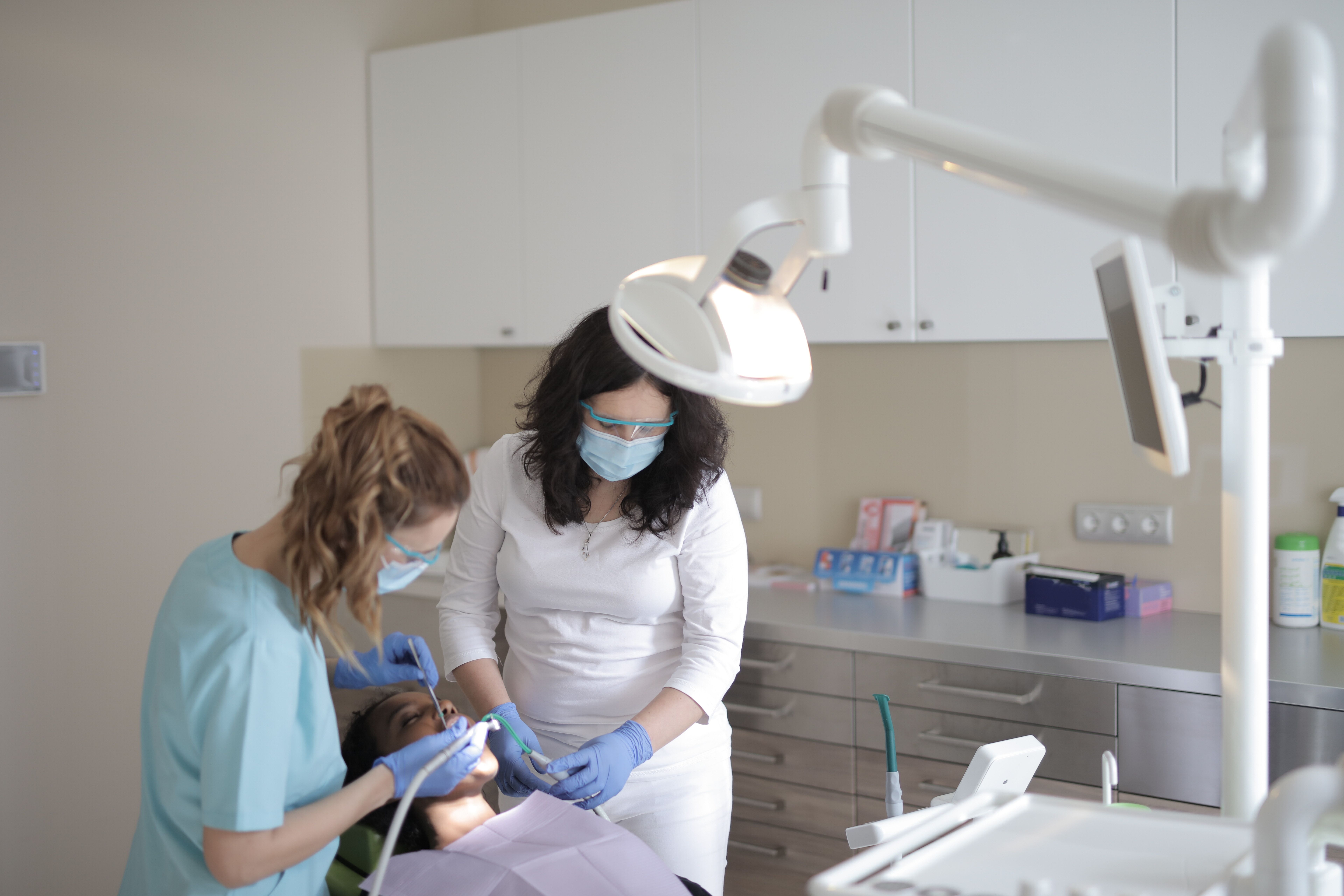
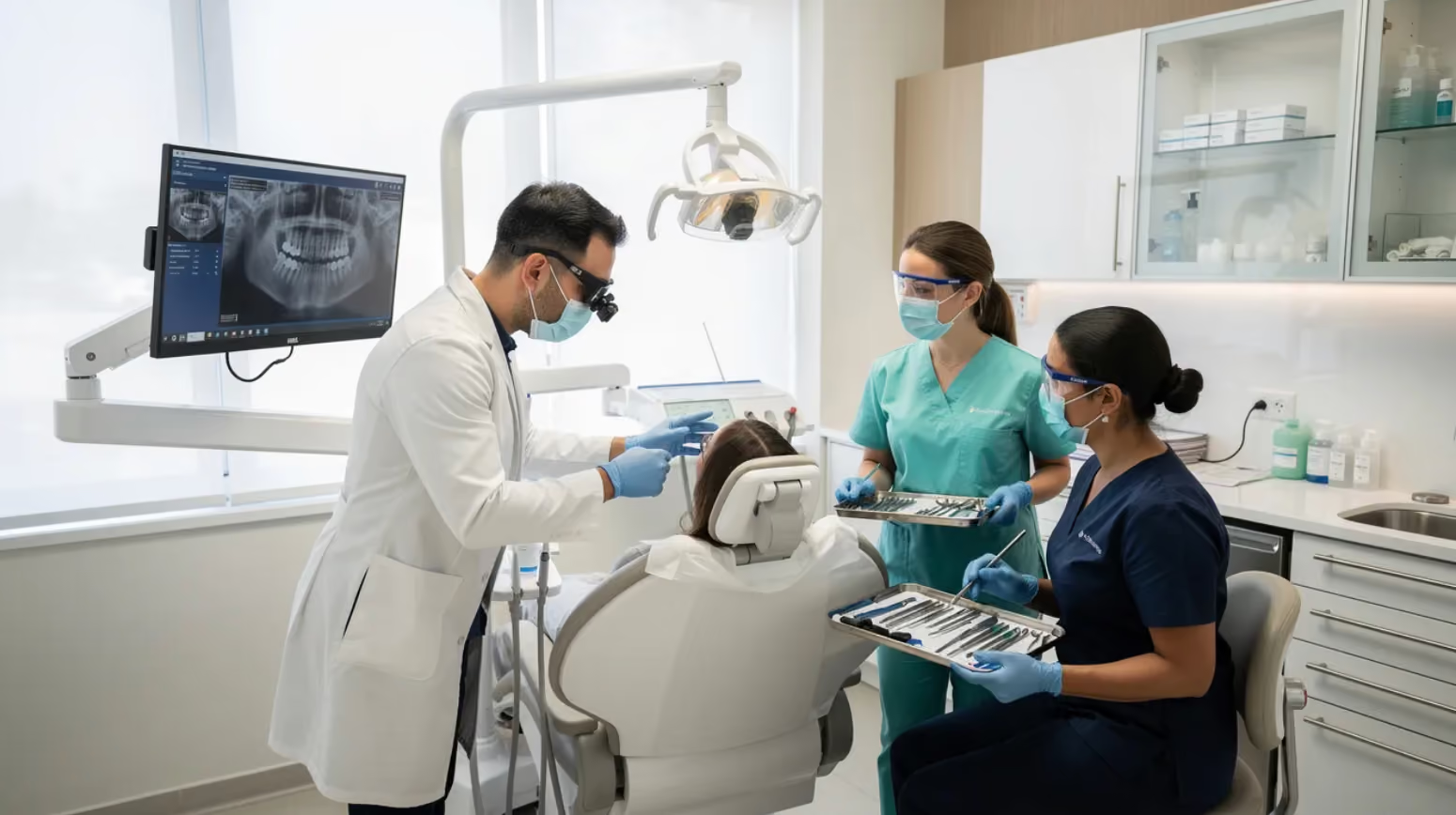
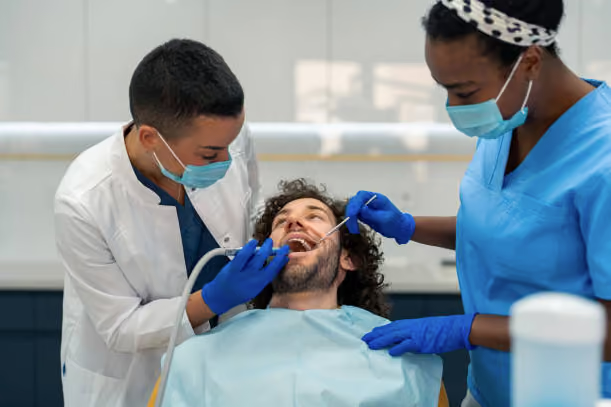
Once the patient is settled in the chair, your role as a dental assistant shifts to backing up the dentist during procedures. A dental assistant's responsibilities often change in the moment, from preparing materials to assisting directly with patient care. Managing the treatment room is crucial, and you’ll be:
- Passing instruments
- Holding suction hoses
- Managing equipment to keep things moving smoothly
- Assisting with keeping the patient's mouth clear and comfortable during procedures
Your help lets the dentist focus completely on the patient and what they’re doing.
Keeping things sterile is huge for patient safety. You’re responsible for:
- Making sure dental instruments are sterile and ready before the procedure starts
- Cleaning, sterilizing, and organizing tools properly to prevent any infections
- Constantly monitoring and keeping the work area clean during the procedure—this keeps the whole practice hygienic
Patient comfort is another big part of what you do. Dental assistants play an important role in supporting both the dentist and patient care. You play a major role in making sure patients feel comfortable before, during, and after dental work, ensuring each patient receives the best possible care and comfort during procedures. This means:
- Reassuring them
- Explaining what’s happening
- Addressing any concerns they might have
Your supportive presence helps patients feel more relaxed and makes the whole experience better.
Good communication and support are what make procedures successful. These important tasks include:
- Handing over tools
- Suctioning
- Reassuring patients
When you handle these duties well, you’re making patient care so much better. A dental assistant's day involves a variety of tasks that support both the dentist and the patient, highlighting the essential role you play in the dental team.
Radiography and Imaging
X-rays and imaging are a big part of modern dental care. You’ll play a major role here by taking dental X-rays that help spot problems like cavities, impacted teeth, tooth decay, bone loss, and masses. As a dental assistant, you may also be responsible for taking an X-ray as part of the diagnostic process. The whole point of dental X-rays is to keep track of oral health and catch issues that you can’t see during a regular exam. This diagnostic tool is essential for giving patients comprehensive care.
To do radiography, you need specific training and certification. The Dental Assisting Radiography certification requires:
- Finishing a dental assisting program that includes radiography training
- Meeting requirements from various educational backgrounds, military training, or documented work experience in dental assisting
- Submitting your final transcript
- Proof you completed a course in dental radiography
- Usually at least one year of work experience doing radiography to qualify for certification
Once you’ve taken the X-rays, you’re responsible for letting the dentist know the images and patient are ready. This way the dentist can quickly review the X-rays and make an informed diagnosis. By handling radiography and imaging tasks efficiently, you’re contributing big time to the overall diagnostic process and patient care.
Sterilization and Infection Control
Sterilization and infection control are absolutely fundamental to keeping a dental practice safe and clean. You'll be sterilizing dental tools and equipment to prevent infections, which means thorough cleaning and sterilization before appointments. Dental instruments get classified into critical, semicritical, and noncritical categories based on their infection risk. Proper sterilization procedures are vital for patient safety and maintaining a clean environment.
To make sure sterilization is working, you'll use different indicators. These include biological, mechanical, and chemical indicators that help verify instruments are being processed right. By sticking to strict sterilization protocols, you ensure that all tools and equipment used in the treatment room are safe for patients. This dedication to infection control is a cornerstone of patient care in dental practices.
Keeping things safe goes beyond just sterilizing instruments. You also need to make sure all surfaces are disinfected and disposable items are handled properly. This comprehensive approach to infection control helps create a safe and clean environment for both patients and staff, showing the dental practice's commitment to high standards of care.
Administrative Duties and Responsibilities
Besides clinical tasks, you'll often be responsible for various administrative duties, including documenting procedures and scheduling follow-up appointments for patients. Good communication is essential when you're coordinating schedules with patients and staff to keep operations running smoothly. Accurate patient records are essential for compliance and quality care.
Some dental assistants get trained to handle expanded duties related to record keeping and patient management. This includes using specialized software for scheduling appointments and managing patient information. Most dental assistants keep detailed and accurate records of patient treatments and updates, which is required for maintaining continuity of care and providing the best possible patient outcomes. Dental assistant training can help you get better at these skills.
Administrative tasks require good organizational skills and attention to detail. You play a vital role in making sure the administrative side of the dental practice runs efficiently, contributing to the overall success of the practice. By balancing both clinical and administrative responsibilities, you show your versatility and dedication to patient care.
Educating Patients
Teaching patients is a crucial part of what you do as a dental assistant. You and dental hygienists will:
- Explain why oral hygiene matters to patients, promoting overall dental health
- Tell patients about the importance of keeping up good oral hygiene to help prevent dental problems and encourage healthy habits
- Guide patients on effective techniques for taking care of their teeth and gums
- Make sure patients understand how to maintain their oral health between visits
Post-treatment care instructions are another important area where you'll educate patients. You'll help clarify these instructions to ensure proper recovery and prevent complications. This might include explaining how to care for a surgical site, what foods to avoid, and how to manage any discomfort after a procedure. Clear and simple instructions from you lead to better outcomes and faster recovery for patients.
Patient education goes beyond just giving information. You also play a role in motivating and encouraging patients to take an active role in their dental care. This supportive approach helps patients feel more confident and capable of maintaining their oral health, ultimately leading to better overall dental health. The dental assisting national board emphasizes how important this role is in enhancing patient education and additional education, helping dentists in the process.
End-of-Day Duties
As the day winds down, you've got several important tasks to wrap up. Cleaning and disinfecting surfaces, including dental chairs and countertops, is a vital task at the end of the day. This makes sure the office is ready for tomorrow's patients and helps maintain a clean environment. Restocking essential supplies like gloves and masks is also necessary to prep for the next day's appointments.
Talking through completed and outstanding daily tasks with the dental team is crucial before you head home. This helps make sure nothing gets overlooked and that the office runs smoothly. You'll also make sure treatment rooms are organized and ready before patients arrive, making the overall experience better. An end-of-day checklist is often used to make sure all tasks are done before leaving the office.
Doing your end-of-day duties carefully contributes to the ongoing efficiency and effectiveness of the dental practice. Your attention to detail and commitment to maintaining a clean and organized environment shows your dedication to providing high-quality patient care, which can lead to a fulfilling career.
Working with Kwikly
Kwikly offers a cool solution for dental assistants who want flexibility and control over their schedules. Kwikly lets dental professionals choose shifts that fit their personal schedules and preferences. This flexibility lets you balance work with other commitments, since schedules can vary depending on whether you're looking for full-time temping or extra income, ultimately improving your job prospects.
Kwikly's payment system offers several benefits for dental professionals:
- Same-day payment option lets you get your earnings right after shifts, giving you financial stability and convenience
- Competitive pay rates
- Lets you negotiate pay directly through the app, making sure you get fair compensation for your work
Kwikly operates nationwide in all major metropolitan areas across the United States, giving you plenty of opportunities to find work. The platform also offers personalized service and live support for both dental professionals and dental offices. By using Kwikly, you can enjoy the benefits of flexibility, competitive pay, and professional support, making it an attractive option if you're in the dental field.
Summary
In summary, what you do daily as a dental assistant is diverse and integral to keeping a dental practice running smoothly. From morning prep and patient interactions to helping during procedures and handling administrative duties, you play a vital role in ensuring high-quality patient care. Your commitment to maintaining a clean and organized environment, educating patients, and supporting the dental team highlights your essential contributions to the dental field.
If you're considering a career as a dental assistant or just want to appreciate what these professionals do, understanding their daily responsibilities offers valuable insights. Platforms like Kwikly make the experience even better by providing flexibility, competitive pay, and professional support. Dental assistants are truly the backbone of dental practices, and their dedication and hard work deserve recognition and appreciation.
Frequently Asked Questions
What are the daily duties of a dental assistant?
Your daily duties as a dental assistant include making sure patients are comfortable, prepping the treatment area, sterilizing instruments, helping the dentist during procedures, and teaching patients about oral hygiene practices. These tasks are essential for keeping workflow smooth and giving patients a positive experience in the dental office.
How do dental assistants help during procedures?
You play a crucial role during procedures by passing instruments, managing suction, keeping things sterile, and making sure the patient is comfortable. Your support lets dentists focus on what they're doing efficiently.
What is the importance of dental radiography?
Dental radiography is essential for catching problems like cavities, impacted teeth, and bone loss, which means timely treatment and better oral health outcomes. Its accurate imaging helps dental professionals provide effective care.
What role does Kwikly play for dental assistants?
Kwikly gives dental assistants flexible scheduling, competitive pay, and same-day payment options, making sure they have professional support while working across the nation. This platform empowers dental assistants by making their work experience and financial security better.
How do dental assistants educate patients?
You educate patients by giving clear instructions on oral hygiene, post-treatment care, and effective dental health maintenance techniques. This support is crucial for helping patients achieve better oral health outcomes.