Table of contents
Get Started with Kwikly
Get the latest updates, insights, and exclusive content delivered straight to your inbox.
Who This Article Is For
- Aspiring dental assistants who want to understand the hard skills needed for success
- Current dental assistants looking to strengthen core technical skills
- Students comparing dental career paths and required certifications
- Dental practices training new assistants and setting skill expectations
- Anyone exploring what makes an effective, well-rounded dental assistant
Key Takeaways
- You’ve got to be solid with radiography and infection control - it’s all about keeping your patients safe and getting accurate treatment results.
- When it comes to chairside assistance and dental impressions, you need to have these down cold if you want to support procedures successfully and make sure restorations turn out right.
- Strong administrative and communication skills? They’re huge for keeping the practice running smoothly and making sure your patients have a great experience.
- Mastering these dental assistant skills can lead to career growth in the dental industry, increasing your value in the job market.
- Dental assistants often benefit from flexible schedules, which can improve work-life balance and job satisfaction.
If you’re working as a dental assistant, you know that mastering the right essential skills is everything. Aspiring dental assistants will find this article especially helpful for identifying the essential skills needed to succeed in the dental assisting profession. You need them to give your patients great care and really support your dental team. In this article, we’re covering the top 10 essential skills you need to nail, including radiography expertise, infection control, and chairside assistance.
Radiography Expertise
Your radiographic skills are going to make or break patient diagnoses and treatment plans. When you capture high-quality X-ray images, you’re helping spot dental issues that nobody can see during a regular exam. You’ll need to get your Dental X-ray Certification to legally do this work - it’s how you prove you know your procedures and safety protocols inside and out.
You should know your way around different types of dental radiographs, like bitewings and panoramic images. This knowledge helps you get an accurate interpretation and diagnosis every time. You’ll be operating radiographic equipment and positioning patients just right to capture the best images possible. This technical skill means you really need to understand both your equipment and patient anatomy.
Staying on top of ongoing education in dental radiology keeps you current with new imaging techniques and safety standards. Continuing education is essential for dental assistants, as it ensures you maintain up-to-date training and certification in radiography, which is often required for license renewal and career advancement. You’re ensuring high-quality care when you do this. When you master radiography expertise, you’re building a foundation that’ll make you way more effective at supporting patient care.

Infection Control Proficiency
Infection control is huge in dental practices - you’re preventing infections and keeping your patients safe. You’re the one maintaining sterilization, sanitization, and keeping everything clean in the office. When you know your infection control protocols and stick to OSHA guidelines, you’re ensuring your practice stays safe and compliant.
Sterilization protocols mean you’ve got to put critical dental tools through heat sterilization to get rid of infection risks. You’ll be checking sterilization equipment regularly and keeping records to make sure everything’s compliant. Using mechanical, chemical, and biological indicators helps you monitor how well sterilization is working.
You need to clean and disinfect environmental surfaces regularly to cut down on pathogen transmission. When you use personal protective equipment (PPE) properly while handling contaminated instruments, you’re keeping both staff and patients safe. Proper handling of contaminated instruments and materials is essential to ensure safety and compliance with infection control protocols. Getting infection control practices right is fundamental to patient care and safety in your practice.
Chairside Assistance Skills
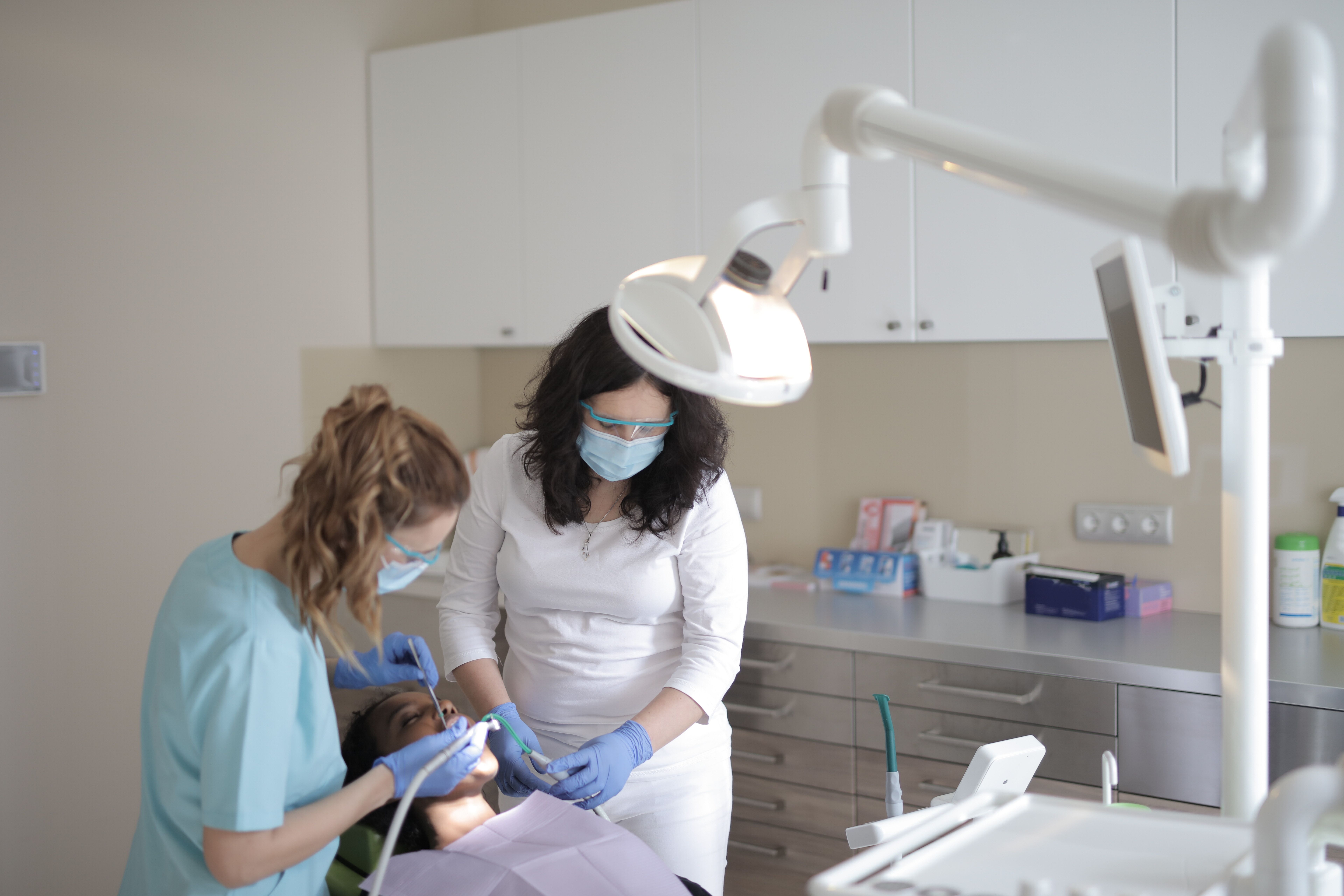
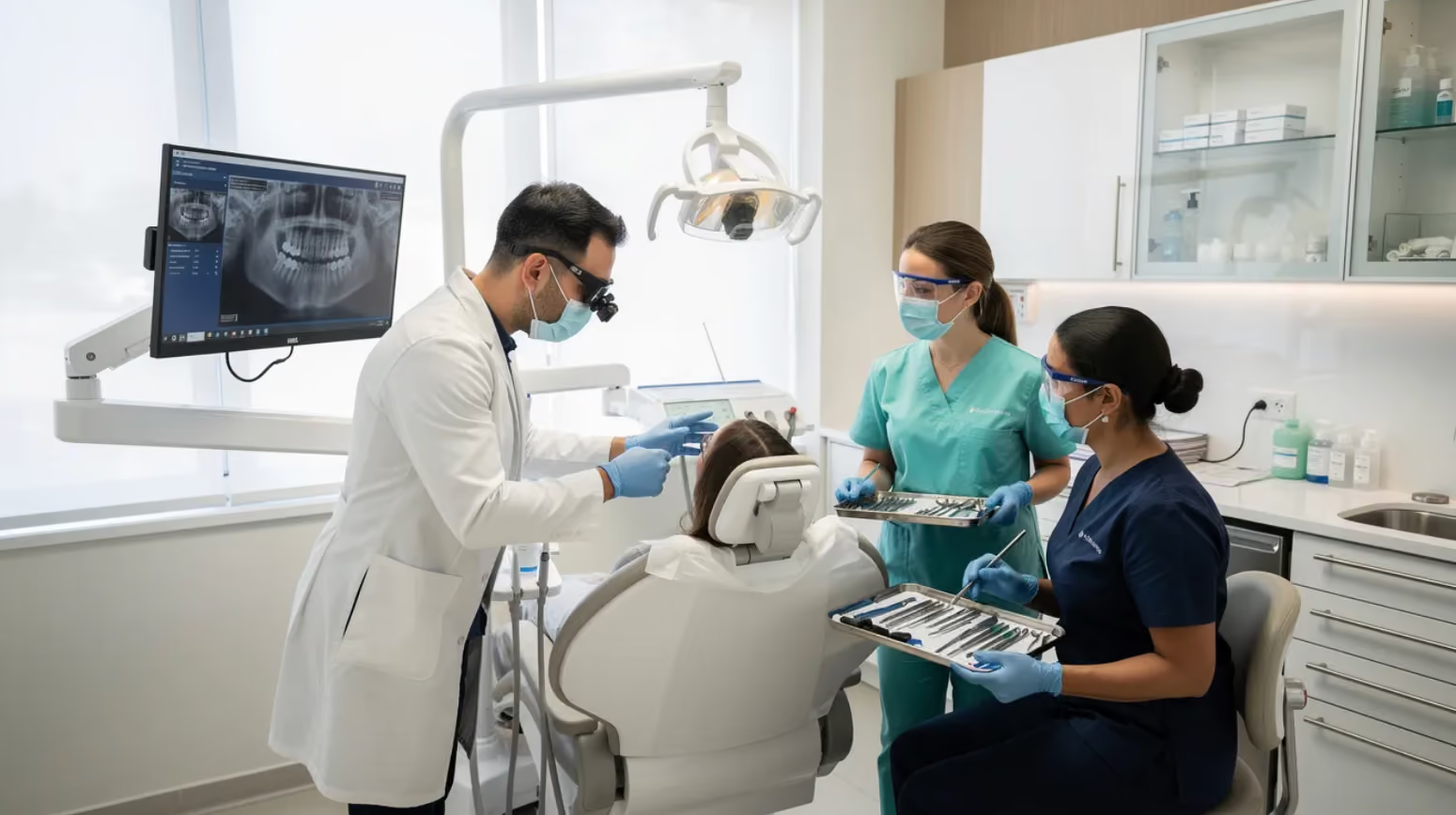
Dental assistants play a crucial role during dental procedures, ensuring everything runs smoothly and efficiently. Here’s what you need to handle:
- Helping with all kinds of dental tasks like cleanings, fillings, and extractions
- Making procedures go smoothly by passing instruments
- Providing suction
- Keeping a clear field of vision
- Showing your expertise in four-handed dentistry, which is the foundation of effective chairside assistance.
You need skills like dexterity, multitasking, and critical thinking if you want to succeed. You’ve got to handle small dental instruments effectively and know what the dentist needs before they ask. Your attention to detail and quick responses are going to make a huge difference in successful chairside assistance.
Collaboration and teamwork matter big time since you’re working closely with dentists and office staff to keep everything running efficiently. When you’re flexible and adaptable, you can adjust to different procedures and environments easily. All these skills work together to boost patient care quality and make your dental practice way more efficient.
Dental Impressions and Models
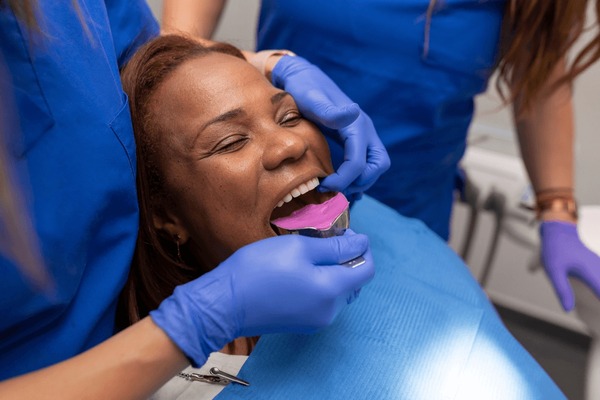
Dental impressions are essential for so many procedures - they’re the foundation for creating accurate casts and all kinds of dental restorations. To ensure accuracy when taking impressions of a patient's teeth, meticulous attention to detail is required for effective restorative and orthodontic treatments. You’ve got different types of impressions, including preliminary and final, and each one serves its own purpose in treatments. When you’re good at taking impressions, you’re ensuring the best outcomes for your patients.
Digital impressions are becoming more and more common, and they use advanced techniques to create detailed 3D representations of dental structures. These models give you better precision and you can use them to make all kinds of appliances, from temporary crowns to orthodontic devices. Getting accurate digital impressions down is a valuable skill for you as a modern dental assistant.
When dental impressions are done poorly, you end up with restorations that don’t fit right, and that affects how they work. You need attention to detail and a solid understanding of materials and techniques. Dental impressions are especially important for complex dental procedures, where precision is critical for successful outcomes. When you master these skills, you’re making sure your patients get high-quality, well-fitting restorations.
Record Keeping and Digital Charting
Accurate record-keeping and digital charting are vital if you want to provide effective dental care. Dental professionals rely on accurate digital charting to ensure the smooth operation of dental practices. When you keep detailed patient records and treatment documentation, you can track oral health history, treatment plans, and progress. You need to be skilled at using dental software and understand dentistry-specific coding and terminology for accurate charting, including electronic health records.
Dental assistant certification programs put emphasis on:
- Digital charting systems, giving you hands-on experience in managing digital charts and keeping accurate records
- Charting the condition of teeth
- Recording treatment recommendations
You need attention to detail to make sure you’re accurate in record-keeping and procedures.
Effective dental charting is crucial for coordinated care and makes proper follow-up for patients so much easier. When you master these skills, you’re significantly boosting the efficiency and quality of patient care. Continuous learning and adapting to new digital tools are vital if you want to stay current in this critical part of dental assisting.
Dental Material Management
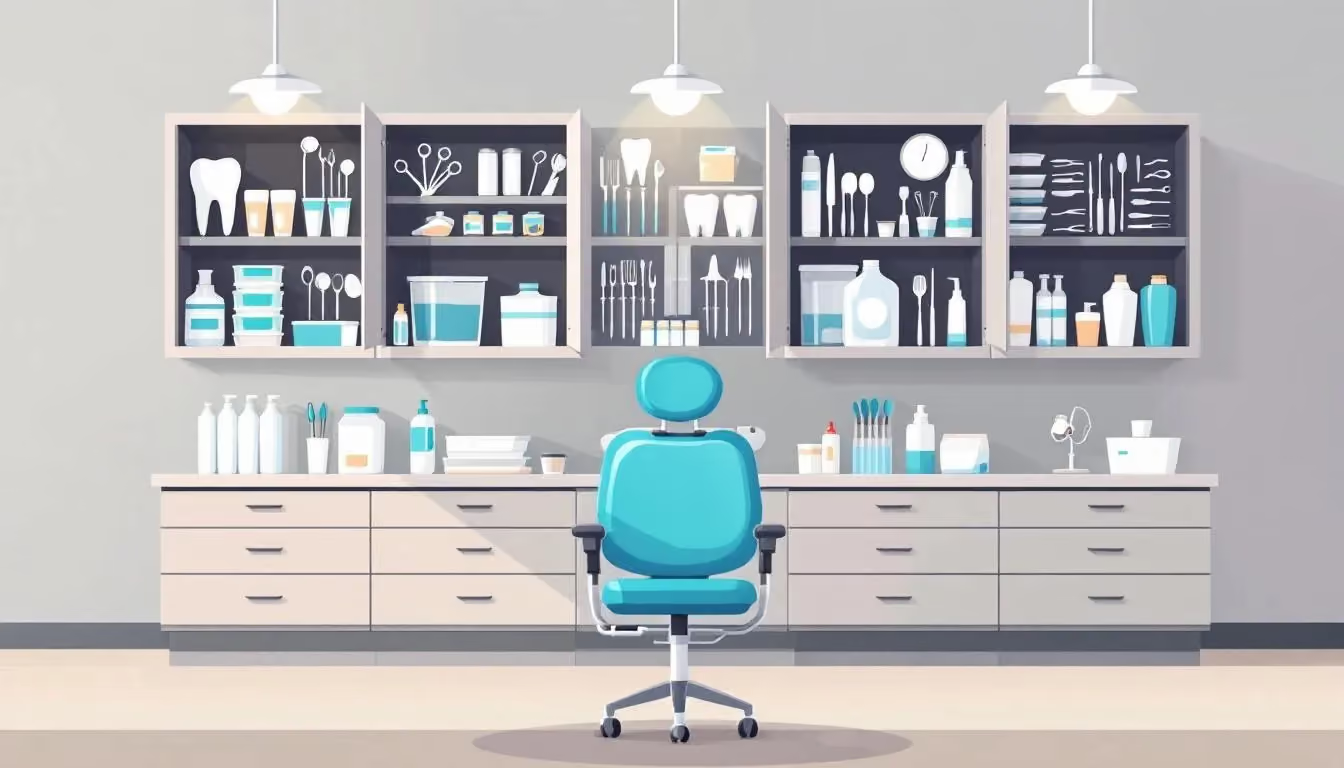
Managing dental materials well is something you'll need to get good at as a dental assistant. Here's what you're looking at:
- Handling
- Proper storage
- Inventory control
- Ensuring materials' availability
When you keep dental materials organized, you're making sure everything's ready when you need it. You've got to store things right, or they won't work as they should.
If you stay on top of inventory checks, you won't run out of stuff or end up with too much sitting around - and that keeps costs down. Good management saves you time and cuts down on waste, which makes everything run smoother. Keeping your workspace clean and organized? That's just part of getting dental material management right.
When you master this stuff, the whole practice runs better. You're supporting your team and making sure patients get better care because everything they need is there and ready to go.
Dental Equipment Maintenance
Taking care of dental equipment is a big part of what you'll do as a dental assistant. You're cleaning, sterilizing, and making sure all the instruments and equipment work like they should. Stay on top of maintenance, and you won't have equipment breaking down during patient appointments - plus everyone stays safe. When something's not working right, you need to catch it and report it fast.
You've got to follow the right cleaning steps to get all the debris off before you sterilize anything. Regular check-ups on things like seals and vacuum traps keep everything running smooth. When you stay ahead of maintenance, you're playing a huge role in keeping the practice going.
Well-maintained equipment keeps patients safe and makes your whole team more efficient. If you're good at this, you're making a real difference in how successful the practice is.
Knowledge of Dental Medicine
You need a solid understanding of dental medicine to be effective - that means knowing about common dental diseases, treatment plans, and dental medicines. When you understand this stuff, you can make better decisions during a procedure and really support your team.
Good communication helps you in several ways:
- You can clarify what patients should expect during their appointments.
- You can talk better with your team and patients when you know dental terminology.
- You give better support during treatments when you understand the basics of what’s happening.
Being familiar with various dental procedures is an essential part of a dental assistant's skill set, as it allows you to provide effective support across different treatments and technical tasks.
When you know how different dental materials work and what they’re used for, you can apply them effectively during treatments. This knowledge makes you better at helping with complex procedures and improves what happens for patients. You need to keep learning and stay updated with what’s new in the dental industry—ongoing learning and staying current with new developments contribute to your professional growth and help expand your skill set.
Other Essential Skills Needed in Dental Assisting
Critical Thinking for Dental Assistants
If you're working as a dental assistant, chances are you already know that critical thinking is one of those skills you can't do without. Maybe you've been in situations where everything's going smoothly during a procedure, and then something unexpected happens. Or maybe you're the one everyone turns to when they need quick decisions about patient information or supporting the team. That's when you realize just how much your critical thinking abilities matter. In a busy dental office, you're constantly dealing with new challenges, and the ability to think on your feet and adapt quickly isn't just helpful—it's what makes you valuable.

Administrative Skills
Administrative skills dental assistants need are essential to keep a dental practice running smoothly. You’re scheduling appointments, answering phones, and managing patient information. You need to know dental software - practice management systems, digital charting - to handle data effectively in your role as a registered dental assistant.
You’ve got to be organized to keep patient files accurate and manage appointment schedules well. Here’s what you’re handling:
- Answering phones
- Scheduling appointments
- Ensuring record accuracy
Dental assistants handle a wide range of administrative tasks, including managing office operations, maintaining patient records, scheduling, processing insurance procedures, and digital charting to ensure the practice runs efficiently.
Keeping a practice well-organized takes solid administrative skills - these are essential hard skills you need for efficiency.
When you master these key skills, you’re making the dental practice run way better. You need good communication and the ability to juggle multiple tasks for all the daily administrative stuff you’ll face. When applying for jobs, it’s important to align your skills with the requirements of the dental assistant position to show you’re the right fit. These technical skills and soft skills work together to keep the practice running smooth and successful, helping you reach your career goals.
Patient Care and Communication Skills
Effective communication skills let you clarify what the dentist wants and explain procedures to patients. When you communicate well, patients trust you more, and when you really listen to patients and staff, care gets better.
You’re often the bridge between patients and dentists, so you need to be good at getting information across to treat patients right. When you show compassion, you help patients feel less anxious and more secure during their visits. How positive you are makes a huge difference in the overall patient experience, especially when things get stressful.
Teaching patients about proper oral care and dental hygiene is a big part of patient care. You and dental hygienists need to understand treatment plans to make patient outcomes better. When you master patient care and communication skills, you’re making a real positive impact on patients’ dental experiences and the health of their teeth.
Summary
Bottom line - you need to master a bunch of different hard skills if you want to excel as a dental assistant. From radiography expertise and infection control to chairside assistance and patient care, each skill makes a real difference in how successful your dental practice is. You've got to keep improving and learning in dentistry because things are always changing.
Embrace the journey of getting better at what you do and stay ahead in your career. The skills we've talked about here aren't just boxes to check - they're what builds a rewarding career in dental assisting. When you work on these abilities, you can provide high-quality care, support your dental team effectively, and make sure patients are satisfied.
Frequently Asked Questions
Why is radiography expertise important for dental assistants?
You need radiography expertise because it lets you produce high-quality X-ray images that are necessary for precise diagnosis and effective treatment planning. When you're good at this, you're directly contributing to optimal patient care in dentistry.
What are the key components of infection control proficiency?
Infection control proficiency comes down to maintaining sterilization and sanitization, following OSHA guidelines, using personal protective equipment (PPE) properly, and making sure waste disposal is done right. You need these components for effective infection prevention in any setting.
How do chairside assistance skills benefit dental assistants?
Chairside assistance skills make you way more effective by improving how you support dentists during procedures and provide better patient care. When you've got these skills down, you're creating a more efficient and comfortable experience for both your dental team and patients.
Why is record keeping and digital charting important?
You need accurate record-keeping and digital charting to ensure coordinated care and track patient progress - this ultimately makes treatment documentation in dental care more effective.
What administrative skills are essential for dental assistants?
You need skills like scheduling appointments, managing patient information, knowing dental software, and staying organized. When you master these skills, you're ensuring efficient office operations and better patient care.