Table of contents
Get Started with Kwikly
Get the latest updates, insights, and exclusive content delivered straight to your inbox.
Key Takeaways
- A clear, detailed dental assistant job description helps practices attract qualified candidates and reduce turnover.
- Dental assistants handle both clinical and administrative duties, with responsibilities varying by state laws and practice type.
- Including skills, pay ranges, role variations, and growth opportunities makes job postings more competitive and effective.
Who This Is For
- Dental practice owners and office managers who need to hire or replace dental assistants.
- DSOs and multi-location groups managing staffing across several offices.
- Job seekers who want to understand dental assistant duties and tailor stronger resumes or applications.
Dental Assistant Job Description
Finding the right dental assistant can make or break a busy practice. Whether you have a one-location family practice or manage staff across dozens of DSO offices, a clear and complete job description is where it all starts.
This guide will walk you through everything you need to write a dental assistant job description that attracts qualified candidates. We cover core duties, essential skills, salary benchmarks, role variations, and ready-to-use templates. If you are a job seeker looking to build a stronger dental assistant resume, you will find tips here, too.
What Does a Dental Assistant Do in a Dental Practice?
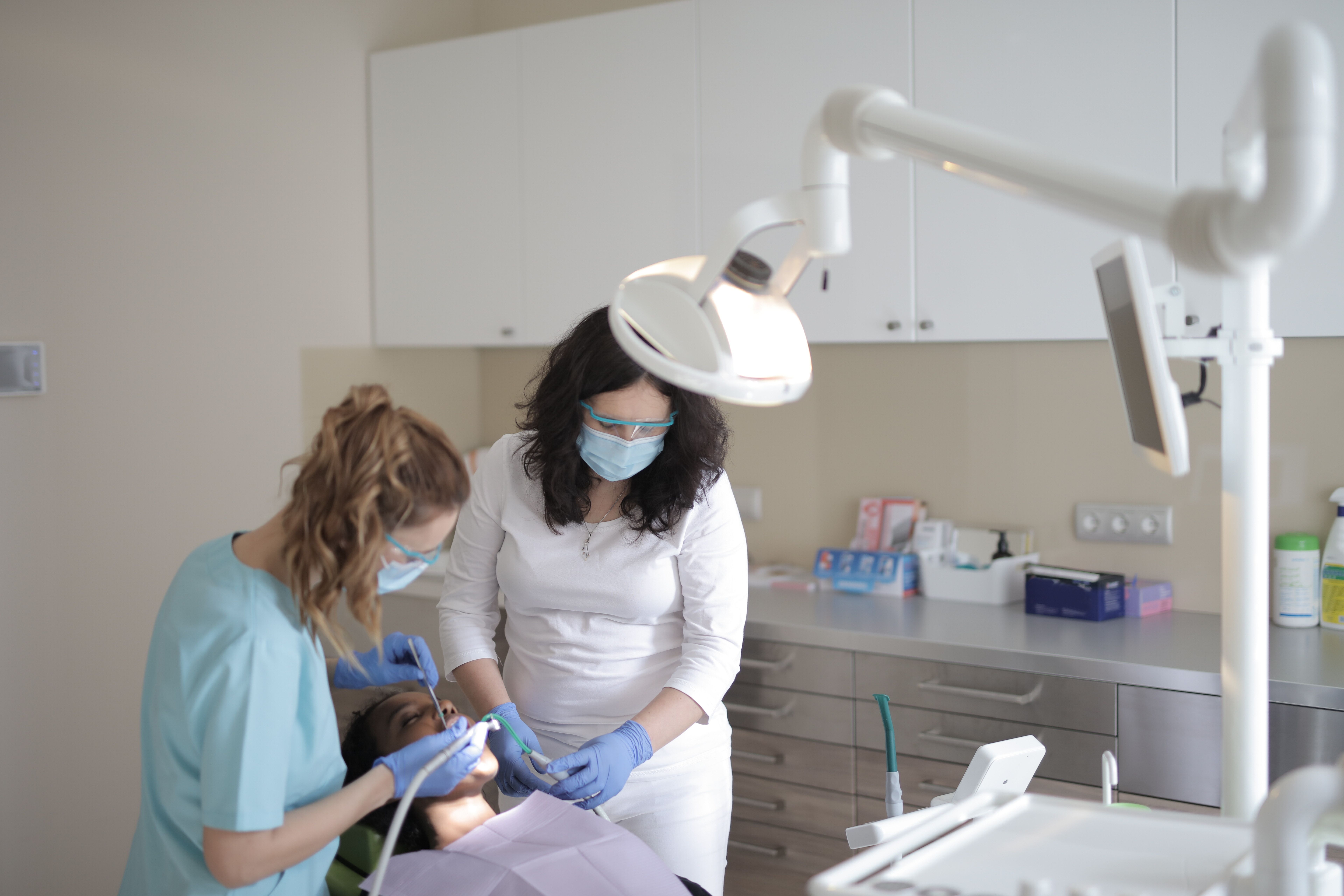
A dental assistant is the backbone of any dental practice. Most dental assistants perform both clinical and administrative duties, working closely with dentists, hygienists, and the entire dental team to keep patient care running smoothly from the moment someone walks in the door until they leave with a clean bill of oral health.
Dental assistants perform a mix of clinical and administrative tasks. On the clinical side, they prepare patients for treatment, pass instruments during procedures, take X-rays, and help manage dental emergencies when they arise. On the administrative side, they update patient records, schedule appointments, and complete insurance forms. This combination of responsibilities makes them essential to both patient care and practice operations.
Note the difference between a dental assistant and a dental hygienist. Hygienists typically do cleanings and periodontal assessments independently under a licensed dentist, and dental assistants work alongside the entire care team to support every step of dental treatment. Job duties also vary by state regulations and practice type. A surgical assistant in an oral surgery clinic has a different day than someone in a pediatric office or orthodontic practice. Many practices in large metro areas like Minneapolis, Dallas, and Atlanta use flexible dental assistants to keep schedules full and patients seen on time.
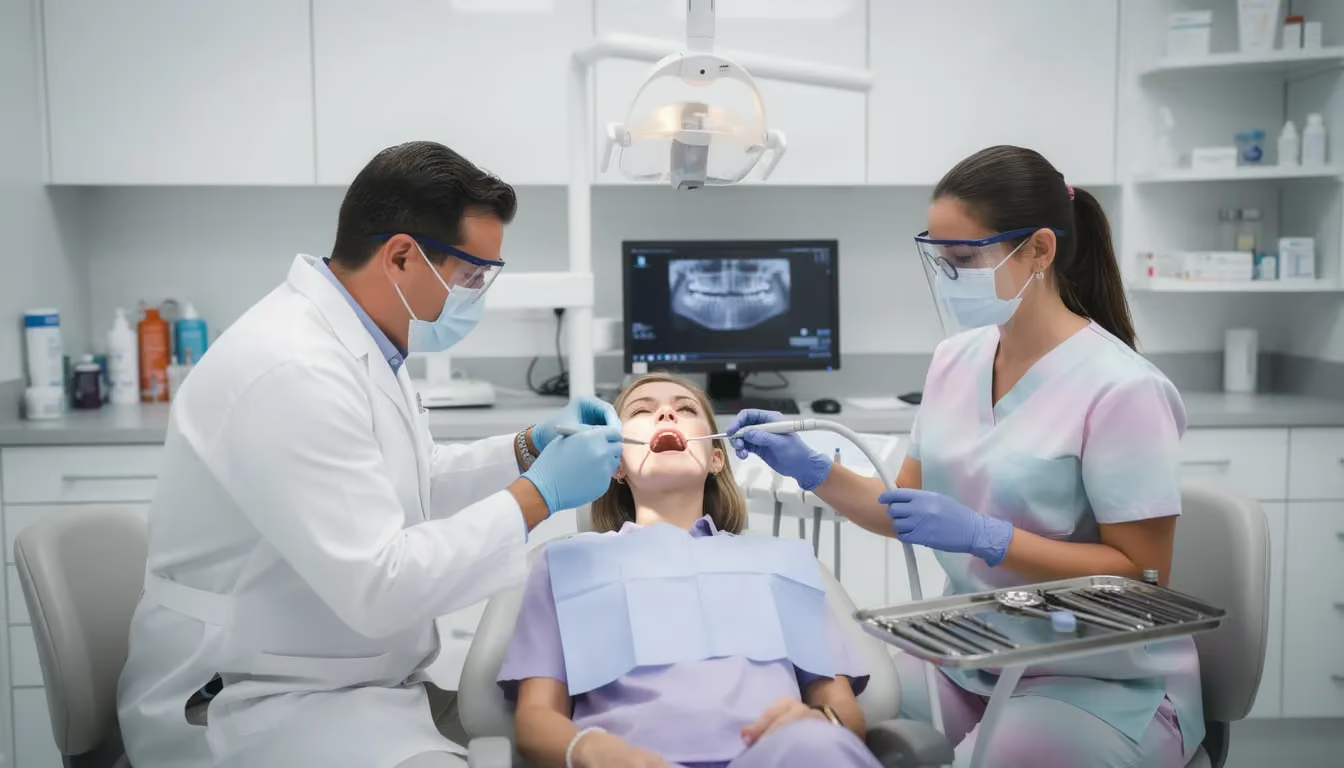
So you’re curious about what dental assistants actually do? Here’s the real deal:
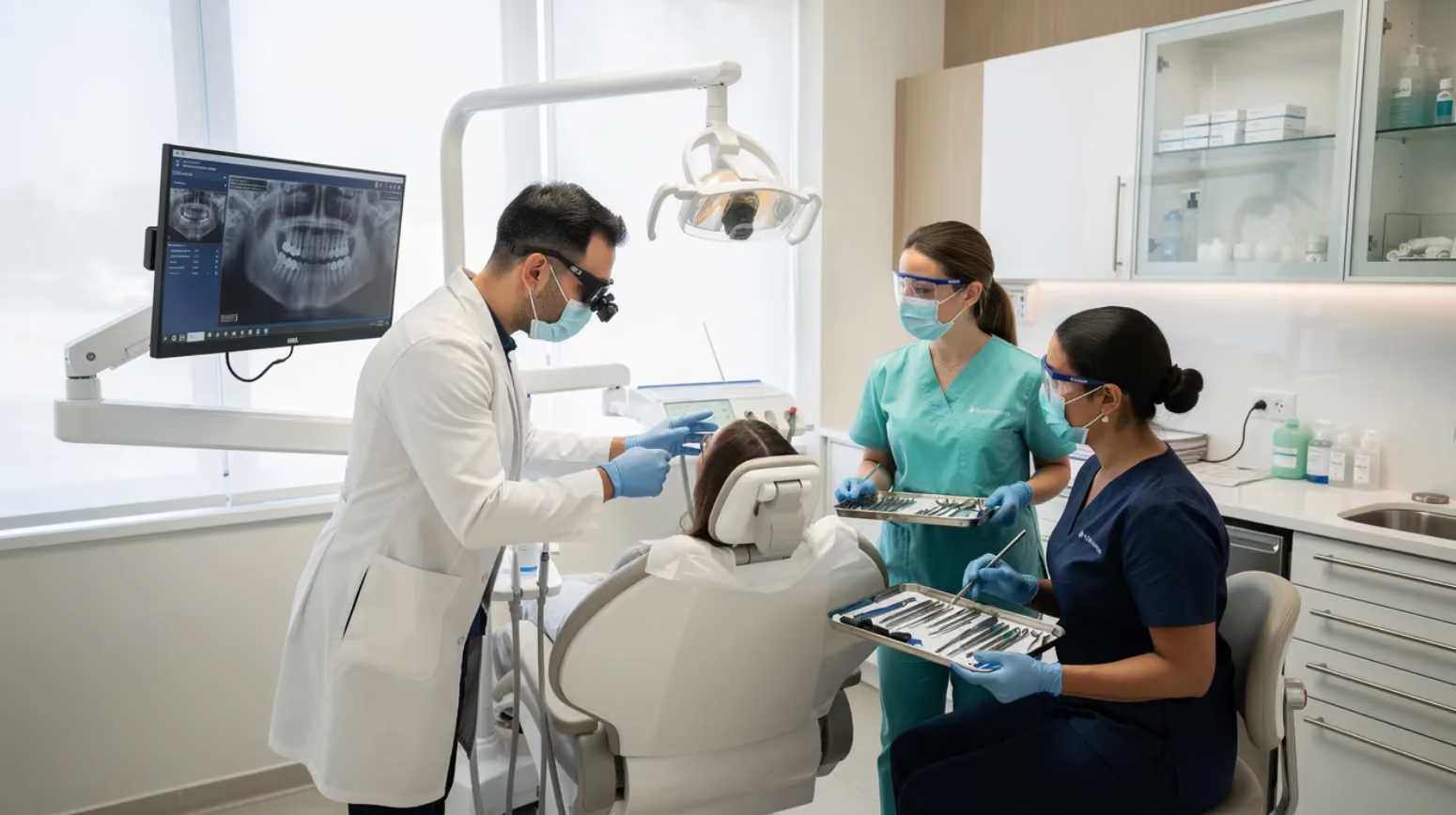
Dental assistants keep the dental office moving. A dental assistant prepares the treatment room and sets up instruments before each patient arrives, then helps patients get comfortable and reviews their medical and dental history. During procedures like fillings and extractions, they work closely with the dentist to keep everything running smoothly.
Dental assistants also take X-rays and follow strict infection control standards to keep equipment properly cleaned and safe to use. They explain post-treatment care, encourage good oral hygiene, and answer patient questions about maintaining healthy teeth and gums. On the office side, they help manage schedules, update electronic records, support billing or insurance tasks, coordinate with dental labs, and order supplies when needed.
In short, dental assistants handle both patient care and behind-the-scenes work that keeps the practice organized and efficient.
Becoming a dental assistant can be the first step toward a long and rewarding career in dentistry. Students enrolled in a Dental Assistant Program can complete training while also earning on-the-job experience at a local clinic in as few as 10 months. The majority of people employed as dental assistants have a post-secondary certificate awarded for training completed after high school.
How Dental Assistants Work in a Dental Office
If you're thinking about this job, this is where you'll figure out if it's actually for you. Here's what your day really looks like.
The Clinical Stuff
- Set up treatment rooms with all the right instruments and materials - everything needs to be ready to go
- Get patients seated and take their vitals, plus go through their medical and dental history
- Work with the dentist using four-handed techniques, passing instruments and handling suction when they need it
- Take x-rays and dental impressions when the dentist tells you to
- Mix up dental materials and get everything ready for fillings, crowns, and other work
- Write down treatment info in the patient chart - and you need to be accurate and quick about it
Keeping Everything Clean and Safe
- Clean and sterilize instruments between every patient - you've got to follow OSHA and CDC rules
- Disinfect the operatories and flip rooms fast so patients don't have to wait around
- Keep an eye on sterilization equipment and document everything for compliance
Working with Patients
- Explain what's happening in simple terms so patients actually understand their care
- Help keep patients calm, especially kids or adults who get nervous about dental work
- Give them instructions before and after procedures, exactly like the dentist wants
- Teach patients about plaque control and how to keep their teeth healthy at home
The Office Work
- Schedule appointments and confirm them using whatever software the practice uses
- Update electronic patient records with treatment notes and what happens next
- Check insurance coverage and get bills ready for services
- Work with outside labs on cases and keep track of how things are going
You're the one who keeps everything moving smoothly, which means fewer cancellations and more productive days. In busy practices, you might help with 20 to 30 patients a day across multiple providers.
Your Daily Checklist
- Get operators ready for each patient
- Welcome patients, make sure you've got the right person for the right appointment
- Take and develop digital x-rays
- Record vital signs and update patient files
- Help with restorative, endodontic, and surgical procedures
- Handle suction and retraction during treatment
- Make temporary restorations and temporary crowns when needed
- Take preliminary impressions and custom impressions for bite registrations
- Polish removable appliances and study casts
- Apply protective coating and topical anesthetic when the dentist says to
- Give patients their post-op instructions exactly as prescribed
- Keep track of inventory for clinical and dental supplies
- Turn over and disinfect exam rooms between patients
- Do expanded functions like coronal polishing or placing sealants if your state lets you
- Check with your state dental board to see which duties need extra certification
Work Environment
Dental assistants work in a variety of settings, most commonly in dental offices, but also in clinics and hospitals that provide dental services. As an essential part of the dental team, dental assistants work closely with dentists, dental hygienists, and other professionals to deliver high-quality patient care. The work environment is often fast-paced, with dental assistants moving between treatment rooms, managing multiple tasks, and responding quickly to the needs of both patients and providers.
Flexibility and the ability to prioritize are crucial, especially when dental emergencies or medical or dental emergencies arise. Dental assistants must remain calm and efficient under pressure, ensuring that patients receive prompt and effective care. Infection control is a top priority in every dental practice, so dental assistants are responsible for sterilizing instruments, disinfecting equipment, and maintaining a safe, healthy environment for both patients and staff. By following strict protocols, dental assistants help prevent the spread of infection and contribute to the overall safety and success of the dental office.
Education, Training, and Expanded Functions for Dental Assistants
To start a career as a dental assistant, most individuals complete a dental assisting program offered by community colleges, vocational schools, or dental schools. These programs typically last between 9 and 11 months and combine classroom learning with hands-on clinical experience. Coursework covers essential topics such as dental anatomy, radiography, infection control, and the proper handling of dental equipment and materials.
Many states require dental assistants to be certified or registered, which often involves passing an exam administered by the Dental Assisting National Board (DANB). Earning a national board certification demonstrates a strong understanding of dental assisting principles and infection control standards, and can improve job prospects. Some dental assistants choose to pursue additional training or certifications in specialized areas like orthodontic assisting or dental implants, further expanding their skills and career opportunities within the field.
What Makes a Great Dental Assistant
The best dental assistants know their stuff technically, can handle the office side of things, and actually connect with people. Practices that spell out these skills upfront get better candidates and don't lose people as often.
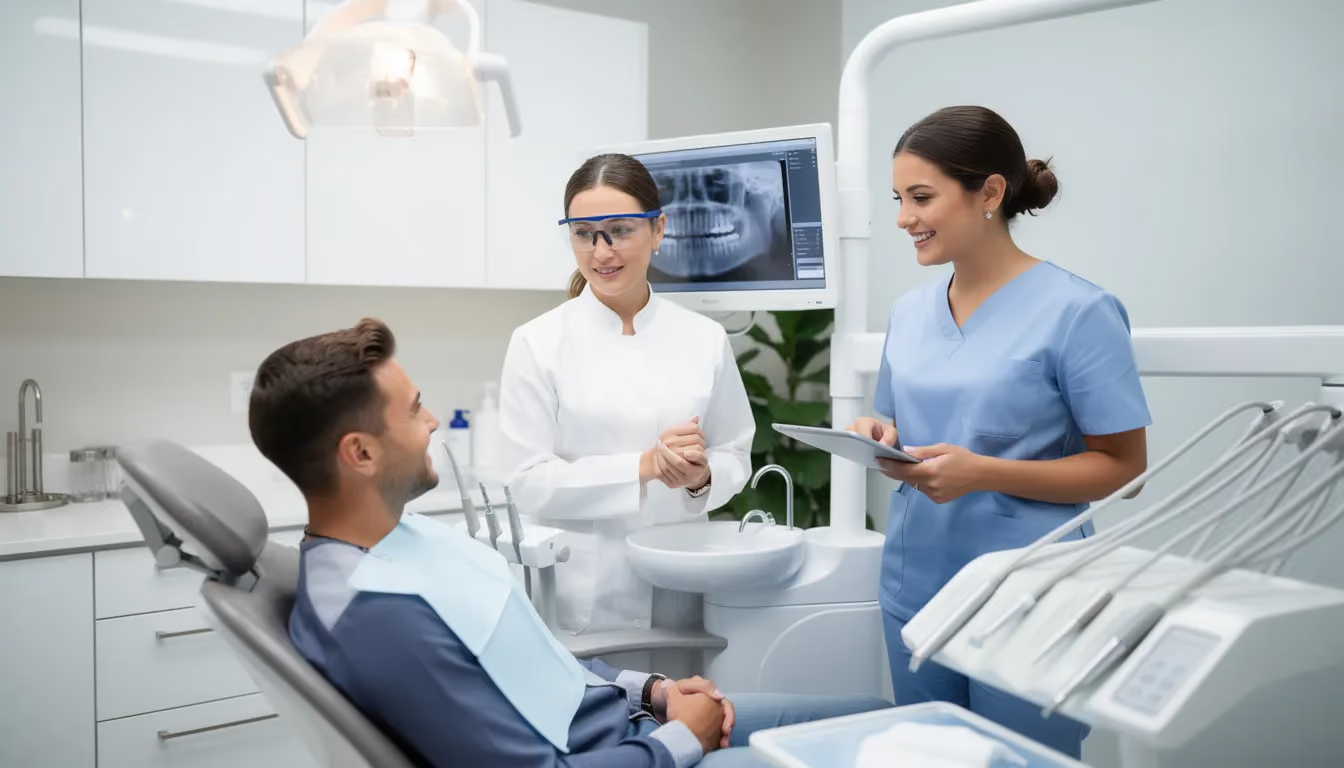
- Knowledge of dental terminology and common dental procedures like fillings, crowns, root canals, and extractions
- Proficiency in safe radiography techniques and radiation safety protocols
- Ability to take dental impressions, including mounting study casts and preparing occlusal registrations
- Skill in preparing and maintaining dental instruments and instrument trays
- Understanding of infection control procedures and sterilization protocols
- Competence with dental practice management software for charting and scheduling
- Basic understanding of dental insurance concepts, treatment plan presentation and billing
- Strong interpersonal skills to communicate with patients and team members
- Empathy and patience, especially when preparing patients for uncomfortable procedures or managing dental emergencies
- Attention to detail to avoid errors in charting, sterilization logs and inventory
- Time management skills to keep multiple operators running on schedule
- Ability to stay calm and respond quickly during medical or dental emergencies
- Bilingual skills are a plus in cities like Houston, Miami and Los Angeles
Employers should use this list to fill in the Requirements and Preferred Qualifications sections of their job postings.
Administrative & Interpersonal Skills
Administrative skills are often overlooked but dental assistants do these tasks every day.
- Answer phone calls and respond to patient inquiries professionally
- Confirm appointments and manage recall schedules
- Collect co-pays and explain basic billing questions
- Verify insurance eligibility and complete insurance forms accurately
- Convey information to patients about treatment plans and next steps
- Write clear notes in charts and messages to dentists or hygienists to prevent clinical errors
- Represent the practice brand through friendly professional communication in person and over the phone
If your role is front desk and chair-side, list these skills so candidates know what to expect.
Dental Assistant Work Description Template
A complete job description has several components. Here is a structure you can customize for your practice.
Job Title: Be specific. Use titles like Dental Assistant, Orthodontic Dental Assistant or Lead Dental Assistant depending on the role.
Practice Overview: A sentence or two about your dental practice. Location, number of operatories, team size and types of dental services.
Role Summary: A 3 to 5 sentence paragraph that introduces the position and sets expectations.
Key Responsibilities: A bulleted list of 10 to 15 duties from the above checklist.
Required Qualifications: Education level, certifications, experience and state specific requirements.Preferred: Nice to have but not required.
Schedule: Hours, days and evenings or Saturdays.
Pay Range: Hourly rate based on experience and certifications.
Benefits: Health insurance, PTO, retirement plans, continuing education support.
Use language that is inclusive to both new grads and experienced assistants. Mention growth opportunities like expanded functions training, lead roles or cross training in specialties. End with a call to apply.
Sample Dental Assistant Job Summary
Here is an example of a summary:
Our busy family practice in Phoenix, AZ is looking for a friendly and detail oriented dental assistant to join our team. You will work chair-side with our dentists, maintain strict infection control and help create a warm experience for patients of all ages. Full time position Monday through Friday with occasional Saturday shifts.
When writing your summary:
- Practice location and type (general, pediatric, cosmetic, etc.)
- Core expectations like chair-side support, sterilization and patient communication
- Full time or part time and typical schedule
- Any unique focus areas like implants, aligners or oral surgery
Responsibilities, Requirements & Benefits Sections
Responsibilities
Use clear, action-based language to describe core tasks such as assisting during procedures, preparing treatment rooms, sterilizing instruments, documenting patient information, and helping with scheduling. These responsibilities should match your practice’s workflow and include any expanded functions allowed by your state.
Requirements & Qualifications
Most dental assistant roles require a high school diploma or GED, with completion of a dental assisting program preferred. Some states require radiology or CPR certification, and experience may range from entry level to several years depending on the position. Credentials such as Certified Dental Assistant (CDA) or Registered Dental Assistant (RDA) can improve applicant quality, and experience with dental practice management software is often helpful.
Benefits
Include a competitive hourly pay range, such as $18 to $26 per hour based on experience and location, along with insurance coverage and paid time off. Retirement plans with employer match, uniform allowances, and continuing education support add value for long-term employees. If your practice offers predictable schedules or flexible shifts, highlighting this can appeal to candidates seeking better work-life balance.
Dental Assistant Salary, Labor Statistics & Job Outlook
Including salary in your job description helps attract more qualified applicants. Candidates appreciate transparency and practices that post pay ranges fill roles faster.
According to U.S. Bureau of Labor Statistics, the median annual wage for dental assistants was around $44,710 in 2023. Hourly rates range from $18 to $28 depending on market, experience and certifications. Salaries are higher in cities like San Francisco and New York City, moderate in cities like Minneapolis and Phoenix and lower in some rural areas.
Factors that affect pay are years of experience, DANB credentials, expanded functions certifications and whether the role is in a general practice or specialty practice. Full time positions often include benefits that add to total compensation.
The job outlook for dental assistants is strong. The Bureau of Labor Statistics projects 7% growth from 2023 to 2033, faster than the average for all occupations. About 25,800 openings are expected each year to replace workers who retire or move into other roles. Population growth and increased awareness of oral health will continue to drive demand.
Practice owners should update compensation ranges in their job listings periodically to stay competitive in their local market.
- National median annual pay: approximately $44,710 (2023)
- Typical hourly range: $18 to $28, depending on location and experience
- Projected job growth: 7% from 2023 to 2033
- Annual openings: about 25,800 to replace workers and meet new demand
- Higher pay often tied to DANB certifications and expanded function credentials
Including Pay in Your Job Description
Being upfront about pay saves time for everyone.
- Use a realistic hourly range instead of a single figure, for example, “$20 to $28 per hour depending on experience and certifications.”
- State clearly if overtime, bonuses, or shift differentials are offered
- Mention same-day pay or fast pay options if your practice partners with modern dental staffing solutions that offer these features
- Update ranges annually to reflect market changes
How to Write a Dental Assistant Resume & Job Posting
Clarity and specificity matter. Hiring managers often spend only a few seconds on each application so both resumes and job ads need to be scannable and direct.
For Job Seekers:
- List certifications like Registered Dental Assistant, Certified Dental Assistant, radiology permits and CPR
- Expanded function credentials if you have them* Use numbers when possible: “12 to 15 patients per day” or “3 providers in a 5 operatory clinic”
- List software experience and any specialties like orthodontics or oral surgery
- Bilingual skills if you speak multiple languages (valuable in multi-lingual communities)
For Employers:
- Write job postings with bullet points that match resume language so candidates can see alignment quickly
- Don’t use vague phrases like “other duties as assigned” without context
- Be specific about what procedures the assistant will be supporting
- Call out software or technology the candidate should know
- Clearly state required vs preferred qualifications
Dental Assistant Role Variations
While core skills overlap, specialized assistants focus on specific procedures, patient populations or office functions. Use specific titles in your job description to attract candidates with matching experience.
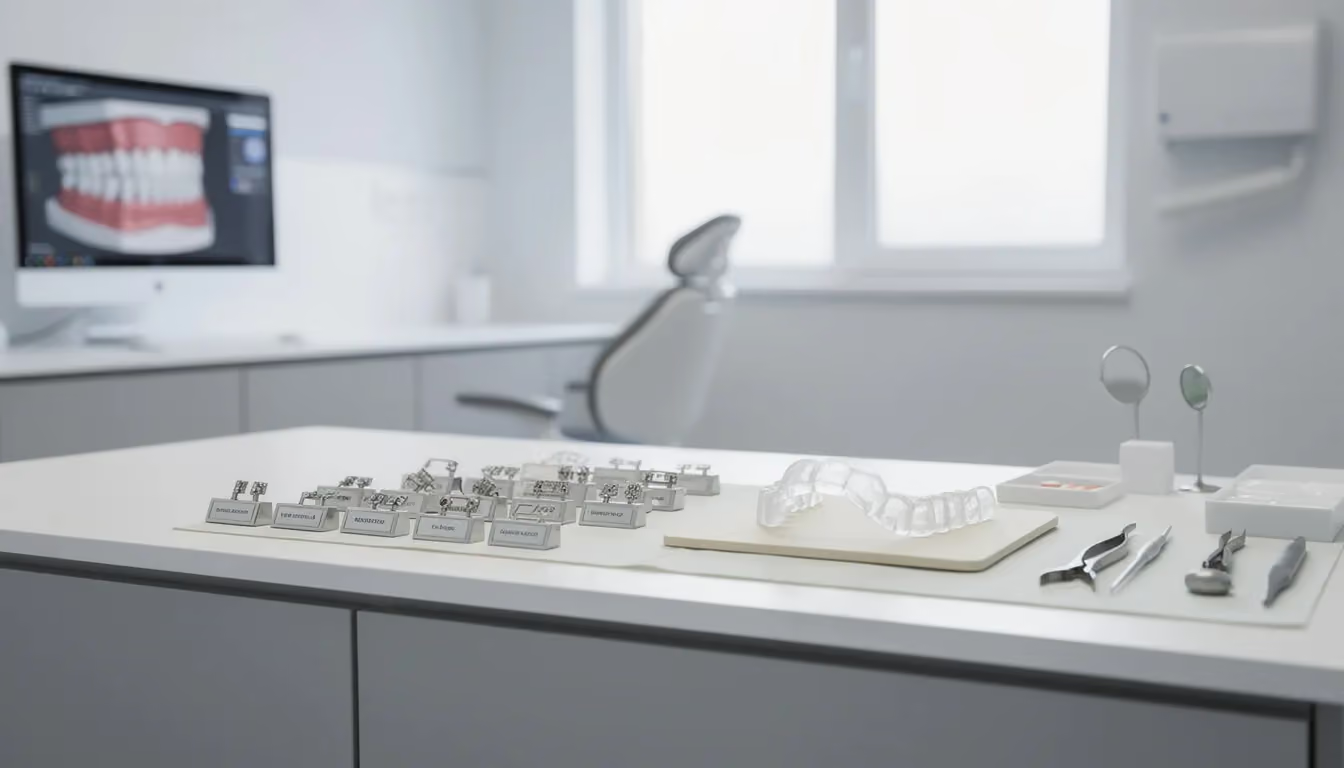
Here are the most common role variations you'll come across.
Dental Administrative Assistant
- You'll be working mostly up front: answering phones, setting up appointments, checking insurance, and walking patients through treatment plans
- You won't be chairside much, but you need to know the basics so you can talk to patients about what's happening
- Good people skills and knowing your way around dental software is a must
- Getting patient info right and talking with them clearly is huge
- You'll handle follow-up calls, appointment reminders, and whatever questions patients throw at you
Dental Business Assistant
- You're focused on keeping the practice running smooth, handling money stuff, and managing patient accounts
- You'll deal with collecting payments and making sure insurance claims get processed right
- You help the practice grow and keep track of how things are going
- It helps if you know reporting, collections, and patient payment plans
- You might work with vendors and help figure out what supplies to order
Dental Hygienist Assistant
- You're there to help hygienists in busy general and gum disease practices
- You get hygiene rooms ready and clean them up fast
- You take x-rays, write down gum measurements, and get patient education stuff ready
- You need to be good at managing time when you're helping multiple hygienists
- This is common in bigger group practices and DSOs where they see lots of hygiene patients
Dental Surgical & Oral Surgery Assistant
- You work with oral surgeons on tooth extractions, implants, bone work, and cases where patients get IV sedation
- You set up surgical trays and keep everything sterile during procedures
- You watch how patients are doing and check their vital signs when they're sedated
- You explain what patients need to do after surgery and help them feel less nervous
- It's good if you know sedation monitoring and advanced infection control
- Job descriptions should mention any extra certifications you need for surgical work
Orthodontic Dental Assistant
- You work with orthodontists on braces, clear aligners, and other orthodontic stuff
- You change wires, put on and take off bands, and adjust brackets and springs
- You take impressions, scans, and photos for treatment planning
- You teach patients how to take care of their appliances and keep their teeth clean during treatment
- You need patience and good communication skills since lots of your patients are kids and teenagers
- Job ads should say whether the practice does traditional braces, clear aligners, or both
Pediatric Dental Assistant
- You work with kids from little ones to teenagers
- You help kids feel less scared by talking to them in ways they understand and using techniques that work with children
- You create a fun, friendly space with kid-friendly decorations and reward systems
- You show patients and parents how to brush, floss, and keep their mouths healthy
- It's a plus if you've worked with special needs kids or children who are sensitive to sounds and textures
- Job descriptions should emphasize that you're warm and patient with kids
Lead & Senior Dental Assistant
- You handle advanced clinical work plus you mentor and train newer team members
- You figure out daily room assignments and make sure supplies get ordered
- You create and keep up clinical protocols and how things should be done
- You help new hires get started and keep developing staff skills
- You need current CPR and x-ray certifications, often with expanded function credentials too
- Leadership skills like problem-solving, coaching, and handling conflicts are essential
- This is a step up in your career with more responsibility and better pay
Dental Sterilization & Instrumentation Assistant
- You're all about infection control, sterilizing instruments, and getting operatories ready for the next patient
- You run autoclaves and ultrasonic cleaners, and keep track of instrument cycles
- You document sterilization logs so the practice stays compliant with regulations
- You organize instrument trays by what procedure they're for so rooms get set up efficiently
- You need to pay close attention to details to prevent cross-contamination
- Job descriptions should position this role as essential for keeping patients and the team safe
Dental Clinic & Lab Assistant
Clinic Assistant:
- You combine general chair side help with light front office tasks in smaller practices or community clinics
- You might move between operators and the front desk as needed
- This works well for practices that need flexible team members who can do different things
Lab Assistant:
- You handle lab work like pouring models, trimming casts, and polishing appliances
- You coordinate with outside dental labs on tracking cases and turnaround times
- You might make retainers, night guards, or temporary restorations right in the office
- Some assistants split their time between chair-side work and the lab
Job postings should make it clear how much time you'll spend in each area so you know what to expect.
Career Advancement
A career as a dental assistant offers multiple paths for growth and advancement. With experience, dental assistants can move into senior positions such as lead dental assistant or dental office manager, taking on greater responsibility for supervising staff and overseeing daily operations. For those interested in further education, dental assisting can be a stepping stone to becoming a dental hygienist, dental therapist, or even a dentist.
Specializing in areas like oral surgery or pediatric dentistry can open up new opportunities and increase earning potential. According to labor statistics, the job outlook for dental assistants remains strong, with employment expected to grow steadily as demand for dental services rises and practices need to replace workers who retire or move on. Dental assistants who are certified, registered, or have specialized training are often in higher demand and may command higher salaries. By staying current with advances in dental care and technology, dental assistants can continue to develop their skills and enjoy a rewarding, long-term career in the dental office.
Using Flexible Staffing Platforms to Find Dental Assistants
Staffing challenges are real for most dental practices. Staff shortages, last-minute call-outs, and high turnover can mess up your schedule and hurt production. Lots of practices and DSOs now use modern staffing platforms to quickly find qualified dental assistants, especially when you need someone same-day or on short notice.
Kwikly connects dental offices with vetted dental assistants across major U.S. cities like New York, Chicago, Dallas, Seattle, Minneapolis, and more. Offices submit detailed shift requests, including what procedures they'll be doing and what software they use, and get matched with professionals who are ready to jump in and follow the practice's existing job descriptions.

Here’s how Kwikly solves common staffing problems:
- For Dental Offices: Access the largest network of vetted hygienists and assistants. Fill last minute or future shifts with confidence. Reduce cancellations and lost revenue from staffing gaps. Get live support and 100% satisfaction guarantee on all shifts.
- For Dental Assistants: Choose shifts that match your skills and schedule. Get same day pay through Kwikly Wallet. Pick up extra income without long term commitments. Work with offices that value your time and expertise.
- For DSOs and Multi-Location Groups: Manage staffing across all locations with one platform. Get advanced reporting on fill rates, staffing trends and revenue optimization. Priority access to top performers and local support.
Use your well crafted job description as the foundation for shift details when requesting temporary or long term help. Clear expectations = better matches = smoother shifts.
Writing Your Dental Assistant Job Description
Writing a good job description doesn’t have to be hard. Here’s a step by step:
- Define the role type: general, pediatric, orthodontic, surgical, lead, or administrative
- List core duties using action verbs and specific tasks from your daily workflow
- Add required qualifications including education, certifications and experience level
- Include preferred skills like expanded functions, bilingual abilities or specialty experience
- Set a transparent pay range based on your local market and the candidate’s qualifications
- Describe your practice culture, team size and what makes your office a great place to work
- Mention growth opportunities like cross training, lead roles or continuing education support
- End with a clear call to action to apply
Update your job description as your practice grows or adds new dental services like implants, aligners or expanded hygiene hours. A clear detailed description helps you attract the right dental assistants, reduce turnover and make onboarding smoother.
Need flexible coverage or help filling permanent roles? Consider using a tech forward staffing solution like Kwikly along with your own recruiting. Whether you’re assisting dentists in a single location practice or helping dentists across a 50 office DSO, getting staffing right makes all the difference for your team and your patients.