Table of contents
Get Started with Kwikly
Get the latest updates, insights, and exclusive content delivered straight to your inbox.
A registered dental hygienist (RDH) is a licensed healthcare professional who plays a key role in dental care. So, what is a registered dental hygienist? They work alongside dentists to provide preventive oral care, including teeth cleanings, patient education, and treating oral diseases. This article will detail their responsibilities, training, and career paths.
Who This Article Is For
- Students exploring whether becoming a registered dental hygienist is the right career path
- Career changers comparing dental hygiene to other healthcare roles
- New or aspiring hygienists wanting a clear overview of responsibilities, training, and licensing
- Dental assistants considering advancing into dental hygiene
- Anyone researching job outlook, work environments, and opportunities for RDH career growth
Key Takeaways
- Registered dental hygienists (RDHs) are licensed professionals focused on preventive oral health care, education, and the management of oral diseases.
- To become an RDH, individuals must complete an accredited dental hygiene program and meet state licensure requirements, which include passing national and state exams.
- The employment of dental hygienists is expected to grow significantly, with diverse career opportunities across clinical practice, education, research, public health, and administration, and a projected job growth of 11% over the next decade due to increasing demand and expanding roles in dental care teams.
What Is a Registered Dental Hygienist (RDH)?

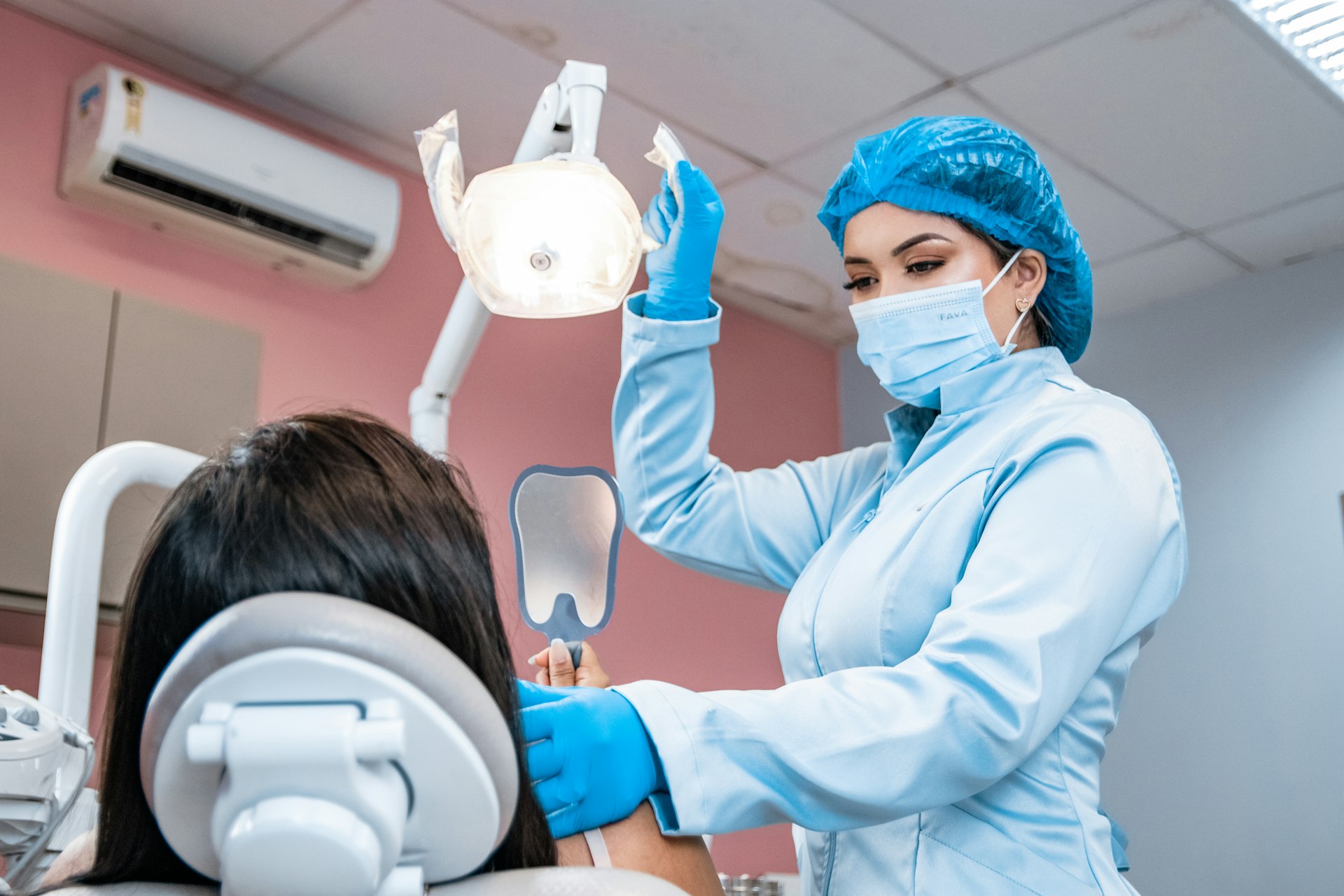
If you’re thinking about becoming a registered dental hygienist (RDH), you’re looking at a career that’s all about keeping people’s mouths healthy. You’ll be a licensed healthcare professional who focuses on oral health care, and you’ll spend most of your time preventing and treating oral diseases. You’ll work alongside dentists, and honestly, you’ll play a huge role in taking care of patients’ oral health needs - everything from routine cleanings to more complex stuff.
Dental hygienist duties include a wide range of responsibilities, from preventive care to patient education and clinical procedures. The services performed by dental hygienists can vary depending on state regulations and local laws, but generally encompass preventive, therapeutic, and educational roles. As a dental hygienist, you’ll mainly focus on preventive dental care. You’ll be doing things like scaling, root planing, and fluoride treatments to help people keep their mouths in great shape. Dental hygienists remove plaque and tartar from teeth and apply preventive materials such as fluoride and dental sealants to protect against cavities and other oral diseases. Your day-to-day will include assessing, diagnosing, planning, and documenting treatments to manage oral diseases. It’s hands-on work in a clinical setting where you’ll really make a difference. Clinical dental hygienists provide direct patient care and are essential members of the dental team.
You’re also going to be a teacher. You’ll spend a lot of time showing patients how to take care of their teeth properly, explaining why regular dental check-ups matter, and helping them understand how to prevent oral diseases. This part of the job is really important - you’re not just cleaning teeth, you’re helping people avoid serious health problems down the road. Preventive services provided by dental hygienists also include oral cancer screening, which is vital for early detection and patient education.
Dental hygienists play a key role in preventing and managing oral disease through procedures like periodontal therapy, oral health assessments, and patient education to promote overall oral health.
Here’s the thing about dental hygiene - you’ve got options beyond just working in a dental office. You can work in private practices, hospitals, community clinics, schools, or even corporate roles where you’ll use your expertise for product sales and education in the oral health industry. Some dental hygienists also become preventive program developers, designing and implementing community-based oral health initiatives to improve public health.
This variety makes the dental hygiene profession pretty dynamic and fulfilling.
Education and Training Requirements
If you want to become a registered dental hygienist, you’ll start with formal education. The minimum you’ll need is an associate’s degree in dental hygiene from an accredited school. This path gets you into the workforce quicker—usually takes around two to three years. But if you want to open up more career opportunities, gain advanced clinical skills, and broaden what you can do, you might want to go for a bachelor's degree, such as a Bachelor of Science in Dental Hygiene, instead.
Before you can even get into a dental hygiene program, you’ll need to meet some prerequisites. You’ll have to complete specific science courses and show proof that you graduated high school. Dental hygiene programs are accredited by accrediting bodies recognized by the United States Department of Education, ensuring high standards for your education. Once you’re in, you’re looking at a pretty intense curriculum that mixes general education with specialized dental coursework. This combination makes sure you get a well-rounded education that prepares you for everything this profession throws at you.
You’ll also get hands-on experience in real-world settings with experienced professionals supervising you. This practical training is where critical thinking in dental hygiene education and educational services really comes together. This real-world experience, along with additional training, is what you need to provide high-quality dental hygiene services.
Whether you go the associate degree or bachelor’s degree route, your education will give you the knowledge and skills to excel in your role and really make a difference in patients’ oral health. The American Dental Hygienists Association recognizes both paths. Dental hygiene education is distinct from dental assisting, which has different roles, educational requirements, and certification pathways within dental healthcare professions.
Licensing and Certification
Getting your license makes sure you meet all the standards to provide safe and effective care to people. Usually, you’ll need to graduate from a dental accreditation accredited dental hygiene program and pass both a national written exam and a state or regional clinical exam.
If you graduate from a CODA-accredited program, you’re meeting the legal requirements for licensing that protect consumers and make you eligible for certification exams by meeting specific educational standards. Licensure is required for dental hygienists to practice legally, ensuring that only qualified professionals provide care.
Here’s something to keep in mind - licensing requirements are different from state to state. Each one has its own specific regulations and standards that reflect what they need locally. Even though they vary, the goal is the same everywhere: protect public health and make sure dental hygienists are ready to do their jobs safely and effectively while wearing safety glasses.
Key Responsibilities of a Dental Hygienist

Your daily duties as a dental hygienist are varied and really important for keeping your patients’ oral health on track. One of the main things you’ll be doing is performing preventive services like scaling, root planing, and applying sealants and fluorides. These procedures help you prevent oral diseases before they start and keep your patients’ mouths healthy. You’ll also spend time educating your patients on proper oral hygiene practices.
When you’re managing periodontal disease, you’ll perform deep cleaning procedures like scaling and root planing. These are crucial for keeping the gums and supporting structures of the teeth healthy, including dental x-rays, so you can maintain healthy teeth through non-surgical periodontal therapy and treat gum disease.
As a dental hygienist, you’ll use various tools and skills, including:
- Hand instruments
- Lasers
- Administer local anesthesia
- Performing dental x-rays and dental radiographs. These are essential for giving your patients comprehensive care.
You’ll also play a big role in patient education. You’ll counsel patients on proper oral hygiene techniques, help them understand why regular dental visits matter, and show them how to protect their teeth from decay and disease. You’re promoting good oral health while maintaining optimal oral health and preventing serious issues related to your patients’ teeth through effective dental care, making sure they keep healthy teeth.
It’s important to note that a dental hygienist has different responsibilities and a broader scope of practice compared to a dental assistant, who provides supportive tasks and assists the dentist but does not perform the same clinical procedures or patient education duties.
Work Environment for Dental Hygienists
If you're a dental hygienist, you've got way more options than you might think. Sure, lots of people work in private dental offices, but you'll also find opportunities in public health clinics, hospitals, and managed care organizations - all places where you can really make a difference in your community's oral health. Maybe you're looking for something different, like working in schools, nursing homes, or community health clinics, where you can reach people who might not otherwise get the dental care they need.
In these places, you're not working alone. You'll be part of a team with dentists, dental assistants, and dental therapists, all focused on taking care of patients together. The work means you've got to stay on top of proper oral hygiene techniques, wear your safety glasses, and follow strict infection control protocols - because nobody wants to deal with infectious diseases spreading around. The American Dental Hygienists Association reminds us that you've also got to be careful about reviewing each patient's health history, since medical conditions can really change how you approach their oral health care.
Whether you're in a busy private practice or a community-focused public health clinic, you're playing a huge role in keeping people healthy. Every patient you see gets safe, effective care that really matters - and that's something you can feel good about.
Employment Opportunities for Dental Hygienists

If you’re thinking about a career in dental hygiene, you’ve got tons of options ahead of you. Seriously, there are so many different paths you can take. Here’s what’s out there for you:
- Clinical practice
- Education
- Research
- Administration
- Public health
Each one of these gives you a chance to make a real difference in people’s lives, and they’re all pretty different from each other.
If you go the clinical route, you’ll be the one doing the hands-on work that keeps people’s mouths healthy. But maybe teaching is more your thing? You could be training the next batch of dental hygienists. Or if you’re into the science side of things, research might be perfect for you - though you’ll probably need to go back to school for that one.
Public health is where you can really make a big impact. You’d be working with community programs, helping people who don’t usually get good dental care. Dental hygienists can also work for public health agencies, which often offer excellent benefits and job stability. It’s all about getting into those underserved areas and making sure everyone has access to oral health care. You could even be the one designing programs that help entire communities.
Here’s the thing - people are starting to realize how important oral health really is. That means more jobs for dental hygienists. We’re talking about 11% job growth and over 15,600 new positions opening up in the next ten years. That’s pretty solid job security if you ask me.
Comparison to Other Dental Roles
If you're working in a dental office, you've probably noticed that dental hygienists do things a bit differently than everyone else on the team. They're licensed healthcare providers who focus on keeping people's mouths healthy before problems start. That means they're the ones giving you local anesthesia, taking your X-rays, and teaching you how to keep your teeth and gums in good shape. It's preventative care, and they're really good at it.
Now, dental assistants are great at what they do - they help dentists during procedures, make sure everything's sterile, and keep things running smoothly. But they're not doing the same clinical work that hygienists handle. Dental therapists? They might do more advanced stuff like fillings and extractions, especially where it's hard to find dentists. Different roles, different training.
Here's what really sets dental hygienists apart though - they think through each patient's situation and figure out what needs to happen. They look at your mouth, make a plan that works for you, and focus on keeping problems from starting in the first place. Sure, they work with assistants and therapists, but when it comes to preventative care and teaching patients how to take care of their teeth, hygienists are the ones you want on your team.
The Importance of Dental Hygiene
If you're thinking about your oral health, chances are you know dental hygiene is pretty important. It's not just about having clean teeth—it's the foundation for keeping your mouth healthy and your whole body feeling good. Dental hygienists are the ones who help you stay on top of things like gum disease and even oral cancer. They're doing the regular cleanings, checking for problems, and teaching you what you need to know. When they get rid of all that plaque and buildup, they're helping you avoid bigger problems down the road and keeping your teeth and gums in good shape.
Here's the thing—your mouth health is connected to everything else going on in your body. If you're not taking care of your teeth and gums, it can mess with other parts of your health too. That's why dental hygienists spend time showing you the right way to brush and floss. They want you to feel confident about taking care of your mouth on your own. The American Dental Hygienists Association puts it pretty simply—good oral health isn't just about looking good when you smile. It's about preventing problems and helping you feel better overall.
When you work with dental hygienists who know what they're doing, you're setting yourself up for success. They're committed to helping you get your teeth healthy and keep them that way. That's why dental hygiene should be part of whatever you're doing to stay healthy—it just makes sense.
Professional Development for Dental Hygienists
The dental hygiene world doesn't stand still, and you can't either if you want to give your patients the best care possible. A lot of hygienists pick up extra training in things like periodontal maintenance or dental radiography. It's a smart way to expand what you can do and really make a difference in keeping people's mouths healthy.
Going through a CODA-accredited program means you're meeting the tough standards that matter when it comes to getting licensed and actually working with patients. You might also want to join up with groups like the American Dental Hygienists Association. It's an easy way to keep learning, connect with other hygienists, and stay on top of what's happening in the field.
Here's the thing about professional development—it's not just a good idea, it's something you have to do. Every state has its own rules about continuing education, and you need to stay on top of them if you want to keep your license and keep working. When you invest in your education and training, you're making sure you can deliver great patient care and stay at the front of the pack when it comes to promoting oral health.
Benefits of Being a Registered Dental Hygienist

One of the best things about being a registered dental hygienist? You'll get paid well. When you're working as a dental hygienist, you'll typically get compensated in one of these ways:
- Hourly
- Daily
- Salary
- Commission
You're looking at median hourly earnings that range from $34.42 to $52.03 nationwide. That kind of financial stability means you can live comfortably while you're making a real difference in your patients' oral health.
You'll also get job stability and room to grow. There's rising demand out there, which means plenty of opportunities for you to advance your career and keep developing professionally. That's a big deal in today's job market that keeps changing.
The satisfaction you'll get from helping patients maintain their oral health? You can't put a price on that. As a dental hygienist, you're playing a crucial role in preventing serious health issues and improving your patients' overall health. You're making a positive difference in people's lives.
Summary
Being a registered dental hygienist is both dynamic and fulfilling. You'll be providing essential preventive care, educating patients, and advancing public health. You're playing a vital role in maintaining oral health. Your journey starts with rigorous education and training, then you get licensed to make sure you meet the highest standards of care.
The diverse career opportunities and benefits you'll get, including competitive compensation and job stability, make dental hygiene an attractive career choice. As we look ahead, the demand for dental hygienists will keep growing, and that reflects how important oral health is becoming in our overall well-being.
Frequently Asked Questions
What is the primary role of a registered dental hygienist?
Your primary role as a registered dental hygienist is to deliver comprehensive oral health care, with a focus on preventing and treating oral diseases. This crucial responsibility means you're ensuring your patients maintain optimal dental health.
What educational requirements are needed to become a dental hygienist?
To become a dental hygienist, you need to complete an accredited associate's or bachelor's degree in dental hygiene. Meeting this educational requirement is crucial if you want to succeed in the field.
Is licensure required to practice as a dental hygienist?
Yes, you need licensure to practice as a dental hygienist. That means you'll need to graduate from an accredited program and successfully complete both a national written exam and a state or regional clinical exam.
What are some key responsibilities of a dental hygienist?
As a dental hygienist, you'll be performing preventive services like scaling and root planing, administering local anesthesia, conducting dental radiography, and educating patients on proper oral hygiene techniques. These duties are essential for maintaining oral health and preventing dental issues.
What are the benefits of being a registered dental hygienist?
Being a registered dental hygienist gives you competitive compensation, job stability, and growth prospects, along with the rewarding experience of positively impacting your patients' oral health. These advantages make it a fulfilling career choice in the dental field.