Table of contents
Get Started with Kwikly
Get the latest updates, insights, and exclusive content delivered straight to your inbox.
Key Takeaways:
- Dental hygienists play a central role in preventive care through cleanings, screenings, X-rays, and patient education.
- They work closely with dentists to identify oral health issues early and help patients maintain healthy habits at home.
- The profession offers strong job demand, flexible schedules, and multiple paths for specialization and career growth.
Who this is for:
- People exploring a career in dental hygiene and wanting a clear picture of daily duties and long-term opportunities.
- Patients who want to understand better what happens during dental visits and how hygienists support oral health.
- Dental professionals interested in flexible work options or expanding their career paths.
What Does a Dental Hygienist Do in Dental Care?
If you have ever wondered who spends the most time with you during a dental visit, the answer is usually your dental hygienist. These licensed oral health professionals do far more than polish teeth. They prevent disease, catch problems early, and help patients understand how to take care of their smile at home. Dental hygienists play a key role in preventing and treating dental diseases. Dental hygienists also serve as public health ambassadors by promoting oral health awareness and preventive care.
Whether you are exploring a career in dental hygiene or simply curious about what happens during your next appointment, this guide breaks down exactly what dental hygienists do, where they work, and why they are essential to every dental practice.
How Dental Hygienists Work Day to Day in Dental Care
A dental hygienist is a licensed oral health professional who focuses on preventive dental care, patient education, and clinical support for dentists. They spend most of their time helping patients avoid problems like cavities and gum disease rather than treating them after the fact.
On a typical day, a dental hygienist performs dental cleanings, oral health assessments, takes dental X-rays, provides periodontal therapy, applies preventive materials like fluoride and sealants, and teaches patients proper oral hygiene techniques. In addition to these core responsibilities, dental hygienists may also apply dental sealants, administer fluoride treatments, or respond to medical emergencies in the dental office.
Most hygienists see between 8 and 12 patients per day, depending on appointment length and the mix of services. Some visits are routine cleaning appointments, while others involve more intensive periodontal maintenance for patients managing gum disease. Dental hygienists also counsel patients on oral health practices and motivate them to maintain good oral hygiene habits.
While the majority of dental hygienists work in general dental practices, many also work in specialty offices, schools, public health clinics, hospitals, and long-term care facilities.
Many hygienists now choose flexible work through staffing platforms like Kwikly to control their schedule, pick up extra shifts, or explore different practice environments without long term commitments.
The Dental Hygienist’s Role in Dental Hygiene and Dental Treatment
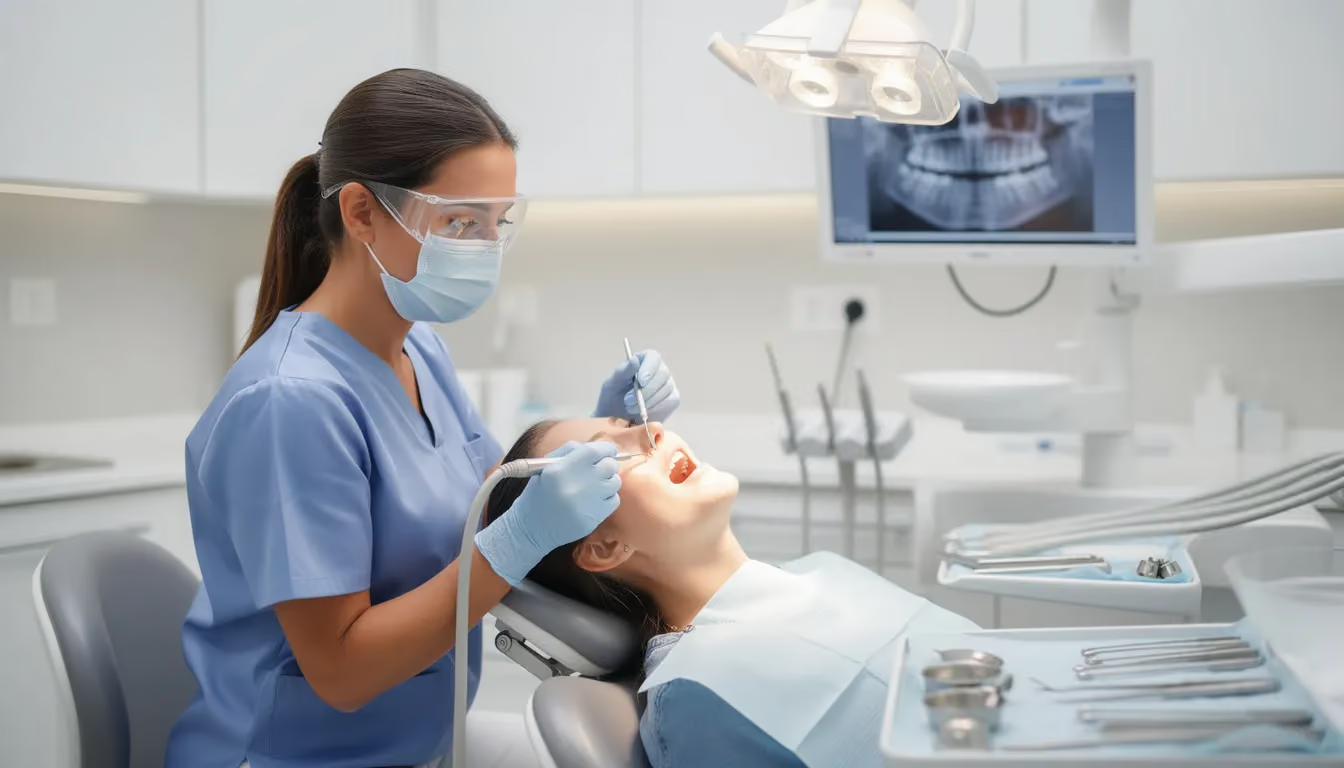
If you’re a dental hygienist, you know you’re right at the heart of preventive dentistry. In most offices, you’ll spend way more one-on-one time with patients than the dentist does. That extended contact? It builds real trust and gives you chances to actually teach patients something meaningful.
Your job as a dental hygienist typically includes:
- Reviewing each patient’s health history and updating medical records
- Performing oral health screenings for decay, gum disease, and oral cancer
- Completing professional teeth cleanings and periodontal therapy
- Taking dental radiographs and presenting findings to the dentist
- Applying preventive treatments like fluoride and sealants
- Teaching proper brushing and flossing techniques
- Educating patients on proper oral hygiene practices, providing dietary advice related to oral health, and offering guidance on selecting oral care products as part of the dental hygienist's job
- Documenting care in the patient’s electronic health record
Your specific duties might vary depending on where you work and what your state allows, but the core focus is always the same - prevention and catching things early. When you spot issues before they turn into something painful or expensive, you’re helping patients avoid major treatments down the road. That’s real value right there.
You also keep the whole practice running smooth. You keep things on schedule, talk clearly with the team, and make sure every patient walks out with a solid plan for taking care of their teeth at home.
Reviewing Dental and Health History
Every appointment you do starts the same way - reviewing what's going on with the patient's medical and dental history. You're checking medications, allergies, recent surgeries, and chronic stuff like diabetes, heart disease, or autoimmune disorders.
This information shapes everything about how you deliver care. Got a patient on blood thinners? You'll need extra time for bleeding to stop. Someone with certain heart conditions might need antibiotic prophylaxis before you get started. If they're pregnant, that can change the timing or how intense some procedures need to be.
You'll also ask about lifestyle stuff. Tobacco use, how much they drink, even what they eat - it all affects oral health and helps you figure out the best approach for each person.
Getting accurate health history isn't just good practice - it protects patient safety and gives the dentist what they need for treatment planning. You update these records every single visit to keep everything current and legally covered.
How Dental Hygienists Support Dental Health Through Screenings
Before or during the cleaning, you’re doing a thorough screening of the mouth, head, and neck. This includes:
These screenings are essential for the early detection and prevention of oral diseases such as cavities and gum disease.
When you’re doing oral cancer screenings, you’re doing something really important. You’ll systematically check and feel around tissues to catch early signs of oral and oropharyngeal cancers. It’s one of those things that can make a real difference.
Your periodontal assessment is another big part of what you do. You’ll use a periodontal probe to measure pocket depths around each tooth, watch for bleeding when you probe, and keep track of gum recession. These measurements help you figure out if someone has gingivitis, chronic periodontitis, or something more serious going on.
When you find something that doesn’t look right, you’ll want to get the dentist involved right away so they can diagnose and plan treatment.
Conducting Professional Dental Cleanings
Dental cleanings are probably what most people think of when they picture your job. Most of your patients will come in every six months, though some folks need to see you more often depending on their risk level.
A routine cleaning - that’s called prophylaxis - has several steps you’ll follow:
- You’ll remove plaque and tartar from tooth surfaces using hand instruments like curettes and scalers, focusing on thoroughly cleaning the patient's teeth.
- You’ll use ultrasonic devices to break up the really stubborn deposits
- You’ll polish teeth to get rid of surface stains
- You’ll floss between teeth to clear out whatever’s left behind
For patients who have gum disease, you’ll do scaling and root planing. This is a deeper cleaning where you remove buildup below the gumline and smooth out root surfaces to cut down on bacterial buildup. In some states, you can give local anesthesia to keep your patients comfortable during these procedures.
Regular teeth cleanings are essential for maintaining and improving a patient's dental health. They help your patients avoid cavities, gum disease, bad breath, and tooth loss. Plus, they give you a chance to help patients figure out the spots they might be missing when they brush or floss at home.
Taking and Reviewing Dental X-rays
Taking dental x rays is a key responsibility for dental hygienists. You’re trained to position digital sensors or film and safely run dental x ray equipment. You’ll follow ALARA principles - that’s As Low As Reasonably Achievable - and use lead aprons and thyroid collars to keep radiation exposure as low as possible.
Here are the common types of dental x rays you’ll be taking:
- Bitewing images to check for cavities between teeth and see how the bone levels look
- Periapical images to check out roots, abscesses, or infections
- Panoramic images to see the whole jaw, impacted teeth, sinuses, and TMJ
X rays show you problems you can’t see with your eyes alone - things like hidden decay, bone loss, cysts, and early signs of infections in the mouth.
You’ll often do a quick review of the images first, then show them to the dentist for the official diagnosis. How often you take dental x rays depends on the patient’s age, risk level, and dental history, following the current guidelines.
Applying Preventive Treatments: Fluoride and Sealants
Beyond cleanings, you get to provide treatments that really boost what your patients do at home.
Fluoride treatments involve painting a varnish or gel onto teeth to make enamel stronger and prevent tooth decay. These treatments work especially well for:
- Kids and teens whose teeth are still developing
- Adults who are at high risk for cavities
- Patients with dry mouth or exposed root surfaces
- Your orthodontic patients with brackets and wires
Pit and fissure sealants are thin, protective coatings you apply to the chewing surfaces of molars. These sealants block food and bacteria from getting into grooves where brushing often misses.
Both treatments are quick and don’t hurt at all. You’ll figure out which patients are good candidates and explain costs and insurance coverage when it comes up. As a dental hygienist, you also plan dental treatment based on each patient's medical and dental history to ensure personalized care.
Teaching Patients Good Oral Hygiene Habits
Patient education is probably one of the most rewarding parts of your work. This is where you really help your patients keep their mouths healthy between visits by educating patients about proper oral hygiene techniques and the use of oral care devices.
You’ll show them proper brushing and flossing techniques, including:
- How long to brush - at least two minutes
- Which areas they should focus on
- How to clean around crowns, implants, and braces
- How to use interdental brushes, water flossers, and other tools
- How to choose and use oral care devices and other oral care devices, such as different types of toothbrushes and supplementary products
You’ll also talk about diet choices and how they affect dental health. Sugar and acid exposure, staying hydrated, and what tobacco or vaping does to teeth and gums - all of this comes up in your conversations with patients. Dental hygienists educate patients on the potential risks of tobacco use and its effects on oral health.
This coaching is different for everyone. A young child needs different advice than a teen with braces or an older adult dealing with dry mouth. When you tailor your advice, you help your patients avoid expensive problems and keep their smile healthy for life, emphasizing the importance of maintaining oral health through personalized education.
Documenting Care and Communicating with the Dentist
You need to keep accurate records for every patient's dental health. You'll record:
- Periodontal charting and measurements
- X ray findings and what you observed
- All the procedures you performed and materials you used
- Patient education topics you covered
- Home care recommendations you made
This documentation helps with accurate diagnosis, insurance claims, and keeping care consistent over the years.
Before the dentist comes in, you'll present your findings in a clear, simple way. You'll often help explain the dentist's recommended treatment to the patient using language they can actually understand.
Good communication between you, the dentist, and the patient makes for better trust and treatment results.
Work Environment and Schedule for Dental Hygienists
Most oral hygienists work in dentists offices where they play a key role in patient care and oral hygiene education. Some of you work in schools, public health clinics, hospitals, or long term care facilities.
Your typical schedule might include 8 or 10 hour shifts, often spread across three to four days per week. A lot of hygienists choose part time work or split their week between multiple offices.
Every day, you’ll need to follow strict infection control protocols. You’ll wear safety glasses, gloves, masks, and gowns to protect yourself and your patients from exposure to bodily substances and aerosols. Dental hygienists are at risk of exposure to infectious diseases transmitted through saliva, blood, and other bodily fluids, so they take extra precautions to prevent infection.
The job has some physical demands. You’ll sit or stand for long periods, often hunching over patients in tight spaces. Good ergonomics and regular stretching help you avoid back and neck strain. To help manage these challenges, dental staffing solutions can offer flexible professional support.
Depending on state regulations, hygienists may also administer local anesthesia or nitrous oxide, remove sutures, or take impressions for dental appliances.
Flexible Work Options and Temping Through Platforms Like Kwikly
Many dental professionals are turning to modern staffing platforms to create a more flexible, personalized work life. Kwikly is a leading example.
Hygienists can sign up through the Kwikly app or website, complete a brief vetting and virtual interview process, and then gain instant access to open shifts in their area. There is no pressure and no long term commitment.
Professionals can choose to temp full time, work one to three days a week, or simply pick up extra shifts to supplement their regular job. Some new graduates use Kwikly to gain experience in different practice settings before settling into a permanent role.
Kwikly offers same day pay through Kwikly Wallet, giving hygienists fast and secure access to their earnings after each shift. This flexibility helps hygienists explore different offices, find their ideal practice culture, and improve work life balance.
Skills and Qualities Needed to Be a Successful Dental Hygienist
Dental hygienists need both clinical expertise and strong interpersonal skills to thrive. The job requires building trust quickly with patients who may be anxious or fearful.
Key interpersonal traits include:
- Empathy and patience when working with nervous patients
- Clear communication to explain complex topics in everyday language
- Active listening to understand patient concerns and questions
Essential clinical skills include:
- Manual dexterity and fine motor control for working in small spaces with sharp instruments
- Attention to detail in assessment, instrumentation, and documentation
- Understanding of oral pathology, anatomy, pharmacology, and systemic health connections is essential for dental professionals
Professional strengths that set great hygienists apart:
- Time management to stay on schedule with back to back appointments
- Teamwork and collaboration with dentists, dental assistants, and front office staff
- Adaptability to different practice environments, protocols, and patient populations
Education and Licensing Requirements to Become a Dental Hygienist
Every state requires dental hygienists to complete formal education and obtain a license before practicing. There are no shortcuts here.
Most hygienists earn an associate degree in dental hygiene from a CODA accredited program. While an associate's degree is the minimum requirement for licensure, earning a bachelor's degree can facilitate career advancement and higher earnings. These programs typically take two to three years after prerequisites and combine classroom learning with hands on clinical rotations.
Most programs require at least two years of college-level coursework in subjects such as anatomy and physiology, radiography, dental materials, and periodontology.
Common coursework topics include:
After graduation, candidates must pass the National Board Dental Hygiene Examination and a regional or state clinical exam. Many states also require a jurisprudence exam on dental law.
Every state requires dental hygienists to be licensed according to the American Dental Hygienists Association. Licensing requirements can vary by state, but most require students to graduate from a program accredited by the Commission on Dental Accreditation (CODA). Most states require candidates to pass a national written board examination and a state or regional clinical board examination to obtain licensure.
Continuing education is required in all states to maintain licensure. Hygienists must stay current on new techniques, technologies, and regulations throughout their rewarding career.
Pathways to Advance Your Education
Hygienists who start with an associate degree can later complete a bachelor’s degree through online or in person programs. A bachelor’s degree can open doors to roles in education, research, public health, or management. Additionally, hygienists specialize in areas such as pediatric dentistry or periodontics to deepen their expertise and pursue different roles within oral health care.
Some hygienists pursue a master’s degree in public health, dental hygiene education, or healthcare administration. These advanced degrees support leadership positions and academic careers.
Before enrolling in any program, research state specific requirements and confirm the program is properly accredited. Hygienists who enjoy variety and learning new skills might also explore advanced certifications in areas like local anesthesia or nitrous oxide administration where state law permits.

Career Outlook, Salary Potential, and Advancement Opportunities
Demand for dental hygienists is strong across the country. Aging populations, greater awareness of preventive oral care, and expanded access to dental services all contribute to steady job growth. The Bureau of Labor Statistics projects continued demand over the coming decade.
Pay varies by region, experience level, and type of practice. Urban areas and specialty practices often pay more than rural general practices. Temping through platforms like Kwikly can offer competitive hourly rates and the flexibility to maximize earning potential.
Common advancement paths include:
- Specializing in periodontics, pediatrics, or orthodontics
- Becoming a lead hygienist or hygiene department coordinator
- Moving into practice management or clinical operations
- Teaching in dental hygiene or dental assisting programs
- Working for dental product companies in education, sales, or research roles
Some states are expanding the scope of practice to include dental therapists or advanced practice hygienists who can provide limited restorative care. These roles expand access to dental care in underserved communities.
Many hygienists combine permanent roles with flexible dental hygiene temp jobs to increase income and explore new offices without giving up job security.
Benefits and Challenges of the Profession
Key rewards of being a dental hygienist:
- Meaningful patient relationships built over years of routine cleaning visits
- Helping people prevent dental problems and maintain their overall health
- Relatively short training time compared to other healthcare careers
- Strong job flexibility with options for part-time, full-time, or temp work
Common challenges to consider:
- Repetitive motions that can lead to musculoskeletal strain in the back, neck, shoulders, and hands
- Managing apprehensive or fearful patients who need extra reassurance
- Production pressure in some practices with tight schedules
- Staying on schedule with a busy day of back to back appointments
Infection control and safety protocols are important to reduce exposure to aerosols and bodily substances. Hygienists must also be prepared to respond to medical emergencies in the dental setting.
Choosing the right work setting and schedule can make a big difference in long term satisfaction and burnout risk. Platforms like Kwikly allow hygienists to adjust their workload, try different offices, and find the environment that fits their needs best.
The Difference Between a Dental Hygienist and a Dentist
Both dental professionals focus on oral health, but they have different education levels, legal scopes of practice, and responsibilities.
In most states, hygienists cannot diagnose conditions or perform major restorative procedures. However, they play a vital role in early detection and prevention, which reduces the need for those treatments.
Teamwork is essential. Hygienists and dentists collaborate closely to deliver comprehensive patient care and help patients maintain optimal oral health over a lifetime.
How Dental Hygienists and Offices Use Kwikly for Flexible, High Quality Staffing
Kwikly is a leading dental office staffing agency in the United States, connecting licensed hygienists with offices that need reliable short-term or long-term coverage. Major DSOs like Heartland Dental and Smile Brands trust Kwikly for their staffing needs.
For dental hygienists:
- Create a profile through the Kwikly app or website
- Complete a streamlined vetting and virtual interview process
- Browse nearby shifts that fit your preferred days and hours
- See detailed shift information, directions, and office expectations before you arrive
- Get same-day pay through Kwikly Wallet after each shift
- Pick up shifts at multiple offices to explore different practice cultures
For dental offices:
- Submit staffing requests online in minutes
- Get fast matching with vetted, experienced hygienists
- Access live customer support for scheduling, billing, or questions
- Keep schedules full even when team members are out sick or on leave
- Reduce cancellations and lost revenue from unfilled hygiene chairs
Kwikly has the largest pool of vetted dental professionals nationwide. Whether you need coverage for one day or ongoing support, the platform makes staffing simple.
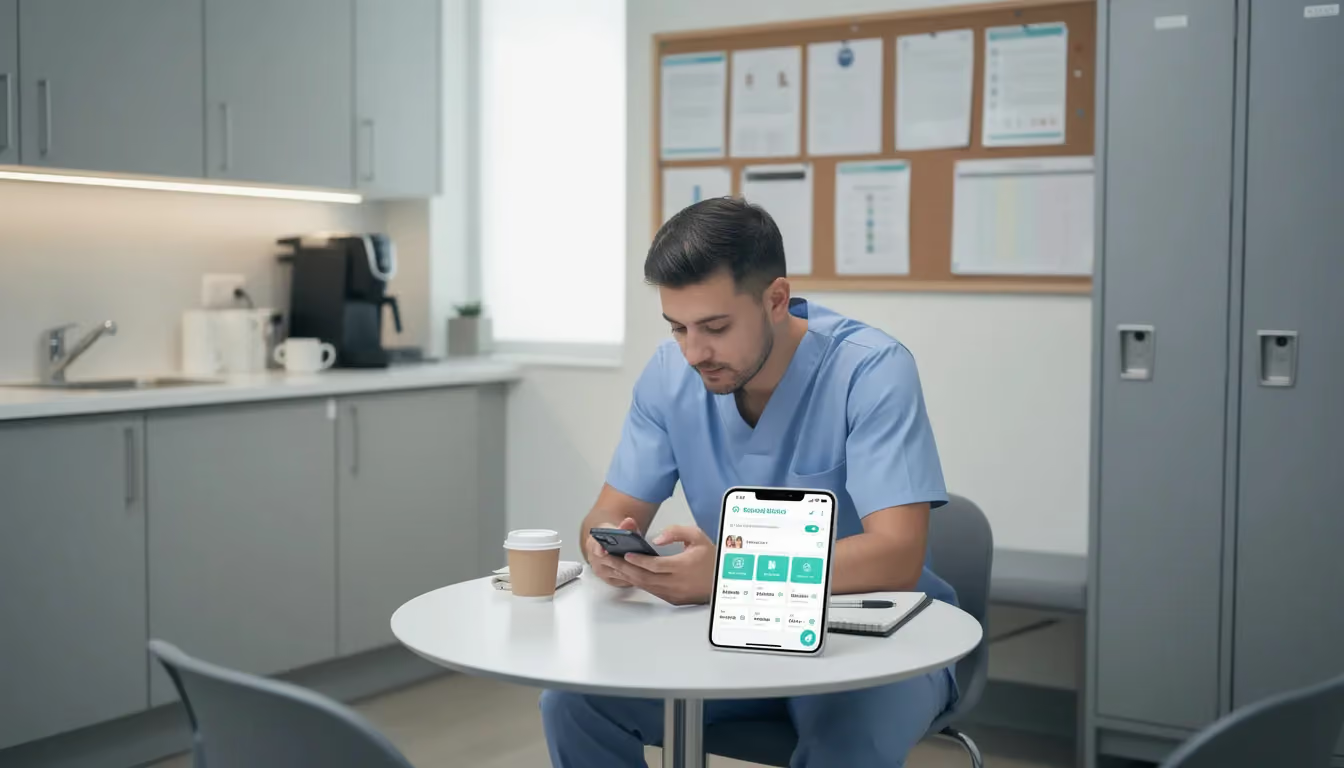
Kwikly for Multi-location DSOs
Multi location dental service organizations face unique staffing challenges. Kwikly’s enterprise platform makes it easy to manage staffing across many offices from one central dashboard.
Key features for DSOs include:
- Advanced reporting and insights to track fill rates, staffing trends, and the financial impact of reduced cancellations
- Flexible billing and payment options that simplify accounting for organizations with multiple sites
- Priority access to a large nationwide network of hygienists and dental assistants
- Faster shift fulfillment with dedicated local account managers for ongoing support
- 100% satisfaction guarantee on all shifts, underscoring Kwikly’s commitment to quality
By partnering with Kwikly, DSOs streamline staffing, reduce costs, and maintain a high standard of patient care across every location.
Is a Career as a Dental Hygienist Right for You?
If you enjoy science, hands on work, and helping people feel more comfortable and confident about their health, dental hygiene might be a great fit. In 2026, a dental hygienist is a licensed oral health professional whose primary role is to provide preventive care and educate patients.
Consider whether you have the patience and attention to detail needed to work carefully in small spaces all day. Strong communication skills matter too, since you will spend much of your time educating patients and explaining what you find during exams.
Before committing to an accredited dental hygiene program, try shadowing a hygienist at a local office. Working in a related role like dental assisting can also provide valuable insight into the daily rhythm of dental practice.
Think about how you want to structure your work life. Some hygienists prefer the stability of a single office. Others thrive on variety and control, picking up shifts through Kwikly at multiple locations.
Dental hygiene offers a stable, respected, and rewarding career for people who want to make a daily impact on patients’ health. Dental hygienists play a key role in helping patients achieve and maintain a healthy smile. Whether you are just starting out or looking for more flexibility in an established career, the opportunities are there.
If you are already a licensed hygienist ready to explore flexible work, sign up with Kwikly today. You choose your schedule, pick up shifts that fit your life, and get paid the same day.