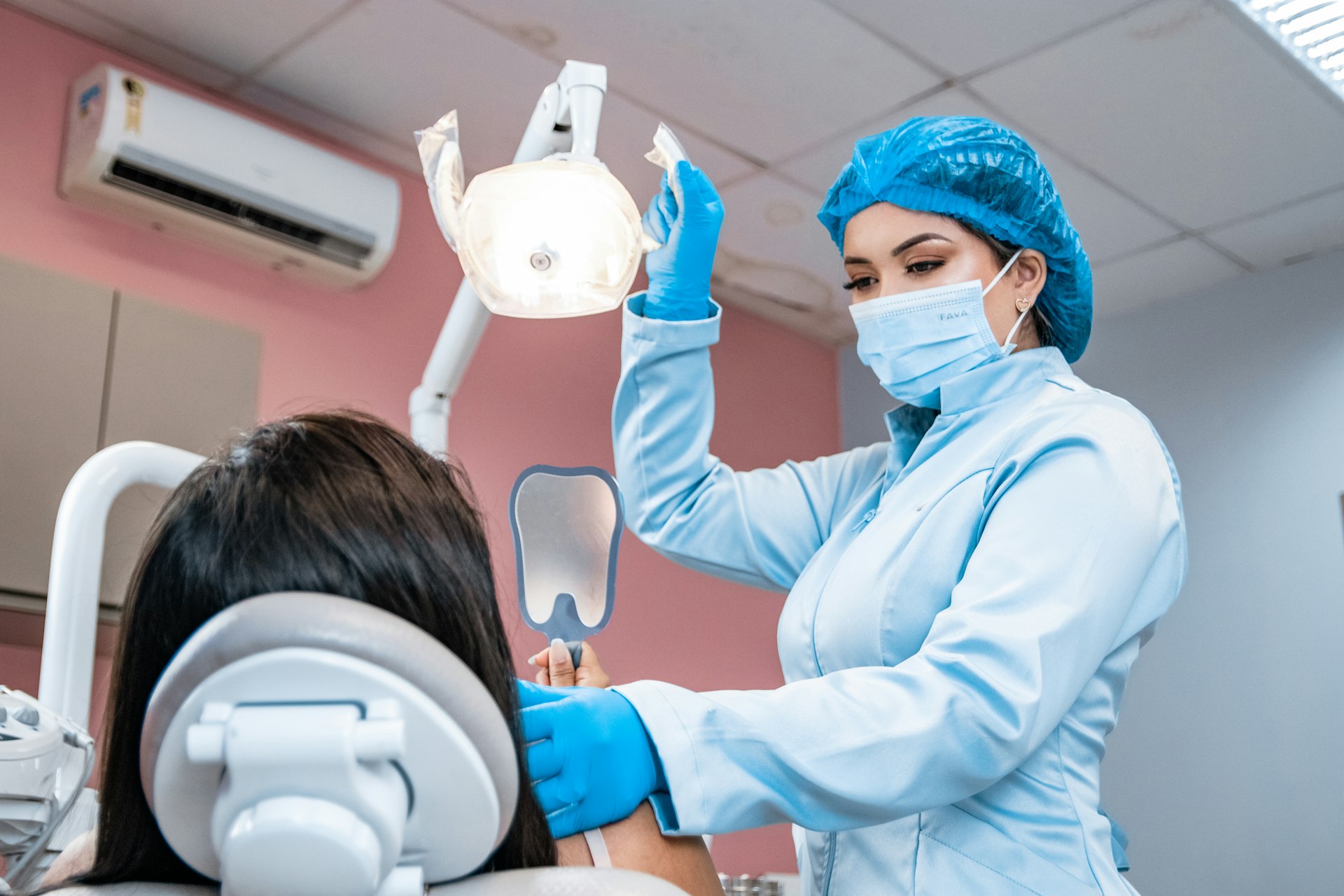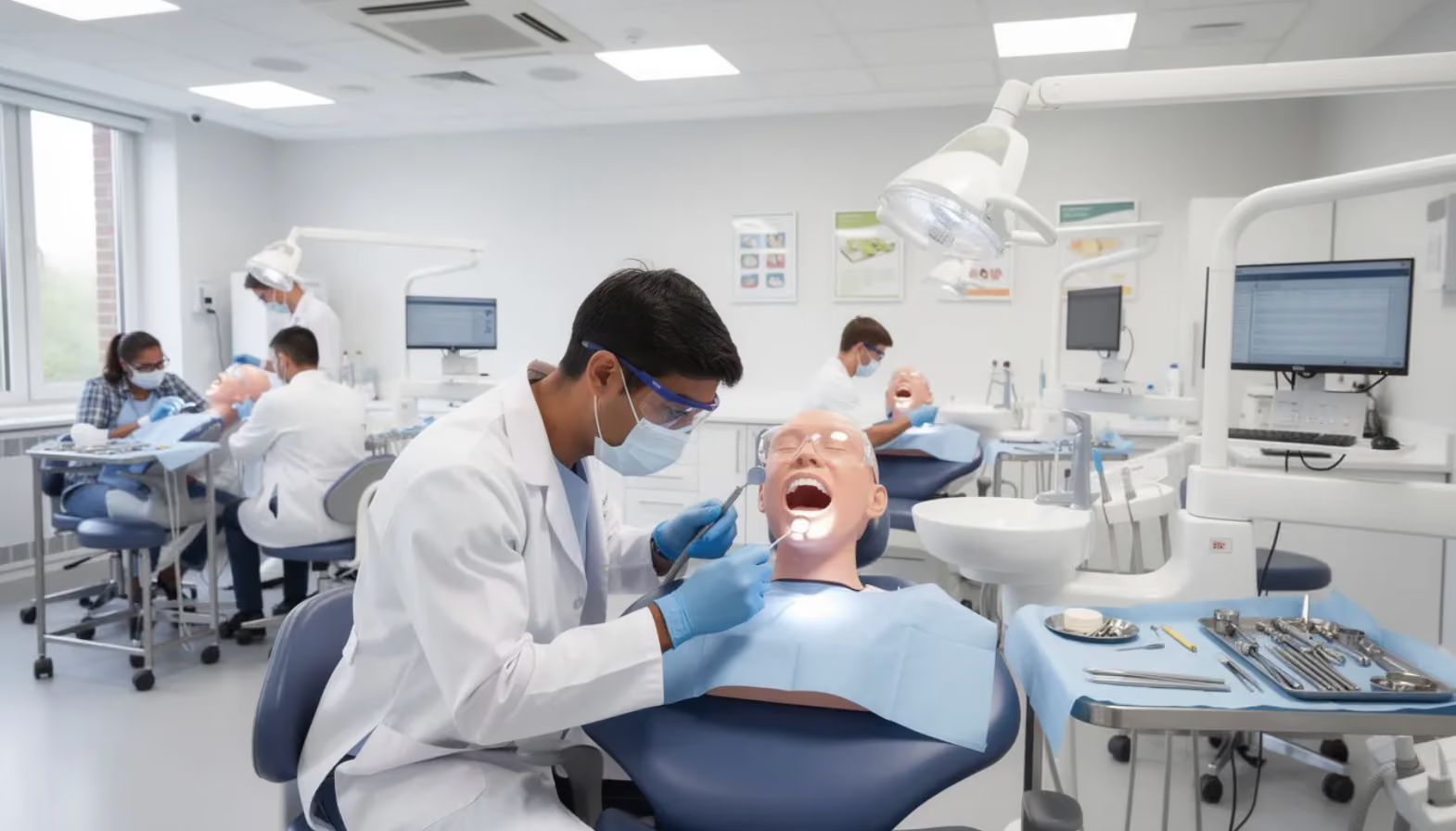
Table of contents
Get Started with Kwikly
Get the latest updates, insights, and exclusive content delivered straight to your inbox.
Dental Hygienist Requirements
Thinking about a career in dental hygiene? You’re looking at a profession that pays well, has real job security, and you can shape your schedule around your life. But before you can start helping patients protect their oral health, there’s a clear path you need to follow. This guide breaks down everything from high school prep to your first shifts as a registered dental hygienist.
Core Requirements to Become a Dental Hygienist
Becoming a dental hygienist in the US requires formal education from an accredited program, passing both national and state exams, and getting state licensure before you can see patients. It’s structured but straightforward once you know what to expect.
Here are the four main requirements:
- High school diploma with strong science courses like biology, chemistry, and math (a high school transcript is typically required as part of the application process)
- Graduation from a CODA accredited dental hygiene program, associate or bachelor’s degree
- Pass the National Board Dental Hygiene Examination (NBDHE) and a regional or state clinical exam
- Get state licensure and maintain it with continuing education
After being accepted into the university, students must submit a separate application to the dental hygiene program.
Note: Requirements vary by state. California, Texas, New York and other states have their own dental boards with slightly different rules. Each state requires dental hygienists to meet specific licensing requirements, including passing a state clinical examination to demonstrate practical skills and meet licensing standards. But the overall path is very similar nationwide.
Once you meet these requirements and are licensed, platforms like Kwikly make it easy to connect with temp and permanent work opportunities. Whether you want full time shifts or just a few days a week, your credentials open the door.
What Does a Dental Hygienist Do?
Dental hygienists are licensed preventive oral health professionals who work under a dentist’s supervision to help patients prevent and manage gum disease, cavities and other oral conditions. They’re the front line of patient education and clinical care in most dental practices.
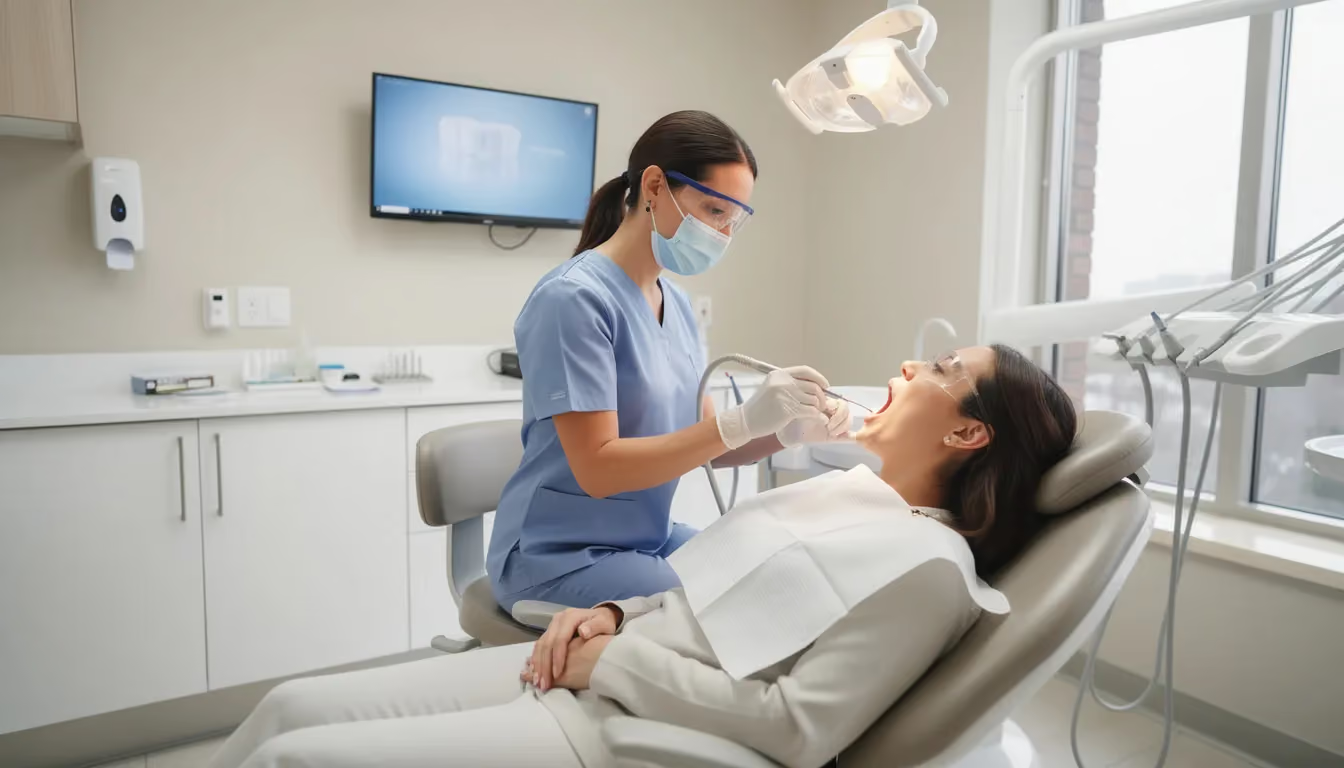
Core clinical duties include:
- Prophylaxis (routine cleanings)
- Periodontal scaling and root planing
- Taking and processing radiographs
- Oral cancer screenings
- Applying sealants and fluoride treatments
- Charting periodontal measurements
Dental hygienists are also responsible for developing and implementing patient care plans tailored to individual patient needs.
Patient-facing responsibilities include:
- Teaching patients proper brushing and flossing techniques
- Providing guidance on diet and its impact on teeth and gums
- Counseling on tobacco cessation
- Recommending home care products tailored to age groups and health conditions
Successful dental hygienists possess strong communication and critical thinking skills, which help them effectively interact with patients and address individual oral health concerns.
Your scope of practice can change depending on where you work. Many states let you give local anesthesia and nitrous oxide if you get the right training. Some states let you work with less direct supervision, while others want the dentist right there with you. To learn more about what makes dental hygienists love their career and the meaningful impact they have, check out this resource.
Common work settings:
- Private dental practices
- Group practices and DSOs (dental service organizations)
- Community clinics and public health programs
- Educational settings and dental hygiene faculty positions
Getting a clear picture of what you’ll actually be doing day-to-day helps you figure out if this is the right fit for you before you spend your time and money on school.
Admission Requirements & Prerequisites for Dental Hygiene Programs
If you’re in the U.S., you’ll need to graduate from a degree program that’s accredited by the Commission on Dental Accreditation (CODA), which is recognized by the United States Department of Education. You can choose either an associate degree program or a baccalaureate degree program, depending on your career goals.
Most hygienists you’ll meet have an Associate of Applied Science (AAS) or Associate of Science (AS) in Dental Hygiene. An associate degree typically takes two years to complete after you finish your prerequisites. Some students complete prerequisite or degree requirements at other colleges before transferring or applying to a dental hygiene program.
Some universities offer a Bachelor of Science in Dental Hygiene, which is a baccalaureate degree. This bachelor's degree program usually takes four years and can prepare you for diverse roles, including teaching, public health, or management. Many schools also offer degree completion pathways for licensed hygienists who already have an associate degree and want to earn their bachelor’s while working.
Degree requirements for dental hygiene programs include both core dental hygiene courses and general education prerequisites, and may vary by institution. Dental hygiene programs must be accredited by the Commission on Dental Accreditation to ensure they meet minimum professional standards. The dental hygiene education path may also include advanced degrees for those interested in research, teaching, or public health.
Before you sign up for any program, make sure it’s CODA accredited through the American Dental Association’s website. You need to graduate from an accredited program to take the NBDHE, so a non-accredited program would mean you can’t get licensed in most states.
High School Preparation & High School Diploma Requirements
Students entering a dental hygiene program should have strong reading, writing, mathematics, and science skills to meet the academic demands of the curriculum.
If you’re thinking about dental hygiene while you’re still in high school, focus on courses like biology, chemistry, anatomy and physiology, algebra, and English composition. These give you the foundation you’ll need for the college-level science courses that come next. As part of the application process, most programs require you to submit a high school transcript along with any college transcripts.
Typical college prerequisite courses include:
Many dental hygiene programs require successful completion of college-level courses in anatomy and physiology, microbiology, and chemistry. Students must achieve successful completion of all prerequisite courses with at least a C or the required minimum grade in all science courses, and may prefer cumulative GPA requirements of 2.8 to 3.0 or higher for competitive admission. Some programs have specific deadlines, such as completing prerequisites by early June for fall entry. As of January 1, 2026, many programs now require all general education courses to be completed at the time of application rather than in progress.
Review each program’s prerequisite grid on their website. Course codes and accepted substitutions can vary greatly between institutions. What counts as equivalent college credit at one school may not transfer to another.
Associate vs Bachelor’s Degree in Dental Hygiene Program
Associate degree programs at community or technical colleges are the most common pathway. An associate degree program typically takes two years to complete and consists of about 70 to 90 credit hours, including prerequisites and core dental hygiene coursework. This degree program prepares you for clinical practice and licensure. Degree requirements for the associate degree program include a combination of general education, science prerequisites, and core dental hygiene courses.
Bachelor’s degree programs at universities are an alternative pathway and usually take four years to complete. These degree programs include additional general education, research, community health, and sometimes leadership or management courses, totaling around 120 credit hours. The bachelor's degree offers broader career options, including education, public health administration, and DSO leadership roles. Degree requirements for the bachelor's degree program also include a mix of general education, science prerequisites, electives, and advanced dental hygiene courses.
Bridge and completion options allow licensed RDHs with an associate degree to complete a BS in Dental Hygiene or related fields mostly online while working. This is perfect for hygienists who want to advance their careers without stepping away from clinical practice.
When choosing a pathway, consider your long-term goals:
- Clinical practice only? Associate degree gets you licensed fastest
- Teaching or dental hygiene faculty roles? Bachelor’s or master’s degree helps
- DSO management or public health? Advanced degrees open those doors
Degree Requirements & Dental Hygiene Curriculum
The core curriculum is designed to meet degree requirements, blending science, clinical skills, and patient communication, and includes both core and elective courses. Usually, this coursework is completed over 4 to 6 semesters once you’re admitted to the professional phase. Spring and fall semesters are packed with didactic and clinical courses, and certain courses or the professional phase of the curriculum may begin in the spring semester, so students should plan accordingly. Some programs place special emphasis on areas such as community health, periodontal disease, or care for underserved populations to ensure graduates are prepared for diverse practice settings.
Example didactic courses:
- Dental Anatomy
- Head and Neck Anatomy
- Oral Histology and Embryology
- Periodontology
- Radiology
- Pharmacology
- Dental Materials
- Dental Public Health
- Ethics and Jurisprudence
- Political science or social science electives (varies by program)
Example clinical and lab courses:
- Preclinical Dental Hygiene (working on mannequins first)
- Clinical Dental Hygiene I through IV (treating patients at rising complexity)* Local Anesthesia and Pain Control
- Expanded Functions (if allowed in your state)
Some programs require students to get at least a C in all dental hygiene courses. Failure can delay progression since courses are only offered once a year. The curriculum matches NBDHE content areas and state clinical competencies so you’re ready for licensure.
Clinical Experience & Competencies
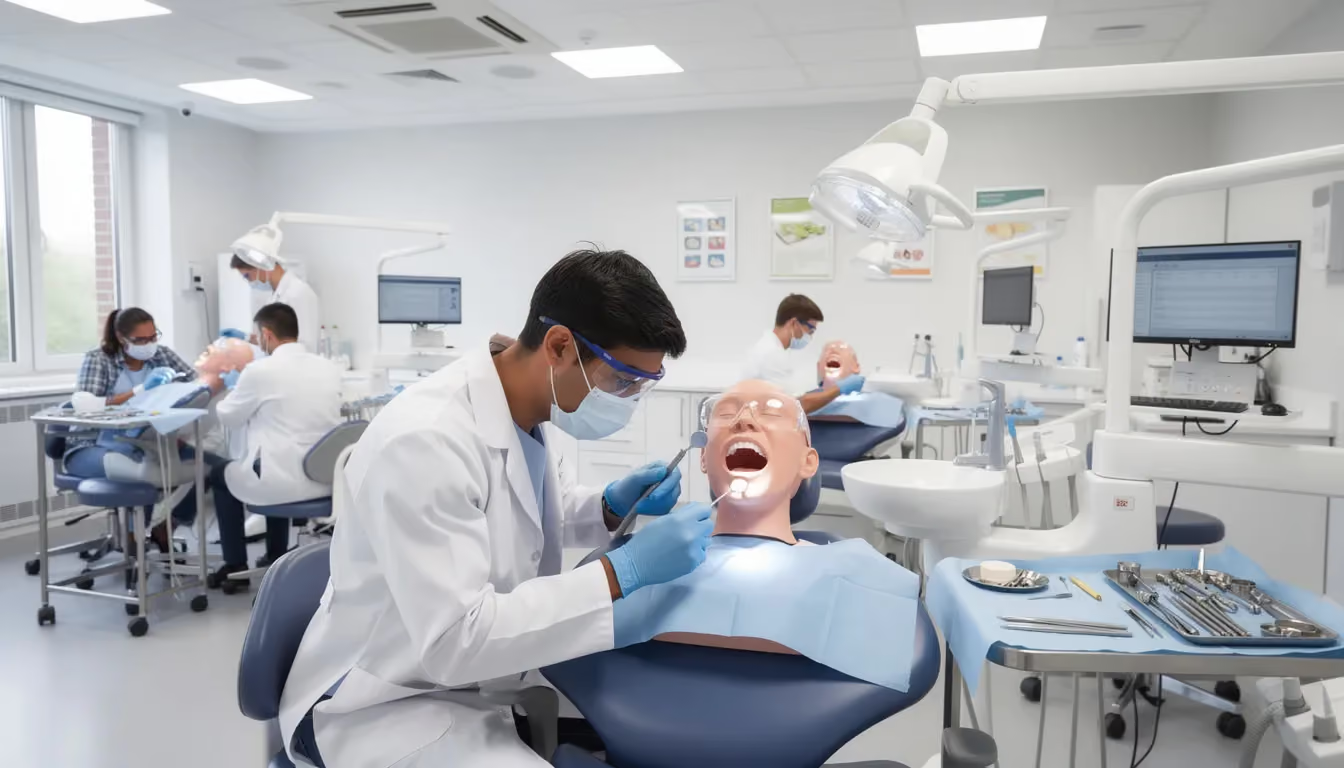
Clinical experience is the backbone of every CODA-accredited program. Students engage in supervised clinical practice to develop practical skills, moving from simulation labs to treating patients in the school clinic and sometimes at community sites. Observation hours in a dental office are typically required for admission, and all students are required to observe a dental hygienist for a period of two or more hours as part of the admission requirements.
Students must demonstrate:
- Comprehensive patient assessment
- Periodontal charting and diagnosis
- Treatment planning with the dentist
- Nonsurgical periodontal therapy
- Radiographic technique and interpretation
- Infection control and sterilization protocols
- Patient education and oral hygiene instruction
- Critical thinking in clinical decision-making
Many programs require a certain number of clinical hours to graduate. This might be a certain number of adult, child and periodontal patients. Some programs also require observation hours before starting clinical work. Successful completion of all clinical competencies and required hours is necessary for graduation.
Students may do external rotations at community health centers, schools or long-term care facilities. These experiences expose students to diverse populations and prepare them for public health settings.
Licensing & Certification Requirements
After graduating from a CODA-accredited program, candidates must meet licensing requirements, which include passing a national written exam and a regional or state clinical exam, and then apply for licensure in the state where they plan to practice dental hygiene. Each state requires dental hygienists to meet specific licensing requirements, including passing a state clinical examination to demonstrate practical skills and fulfill legal standards for practice.
Each state’s dental board sets the rules for licensure. Most follow this pattern:
Licensure is state by state. So hygienists need a separate license in each state where they work clinically. If you want to work in Minnesota and Wisconsin you need two licenses.
Applying for licensure involves submitting education proof, official transcript from your program, official exam scores, completed application forms and fees. Processing takes several weeks after graduation and exam completion.
National Board Dental Hygiene Examination (NBDHE)
The NBDHE is a comprehensive computer based exam administered by the Joint Commission on National Dental Examinations. Most students take it during their final semester or shortly after graduation.
Exam details:
- 350 multiple choice questions
- Two components: discipline based and case based
- Scored on a scale of 49 to 99
- Minimum passing score of 75
- Tests biomedical sciences, dental hygiene sciences and clinical decision making
Students typically spend several months preparing with review books, question banks and faculty-led review sessions. Many programs track NBDHE pass rates as a quality measure for prospective students interested in a dental assistant career.
To qualify, you must register for a DENTPIN (personal identifier number) through the American Dental Association. You will then schedule the exam at authorized testing centers. Candidates have 6 months of eligibility to complete the NBDHE from when their application is processed.
Regional or State Clinical Examination
Clinical exams evaluate hands on skills in scaling, probing, radiographs, and infection control. For dental offices seeking to hire qualified staff, Kwikly offers innovative dental staffing solutions. These are administered by testing agencies like CDCA-WREB-CITA, CRDTS, or state specific boards.
Required exams vary by state. Some states now accept non patient based exams or portfolios so confirm which clinical exams your target state accepts before scheduling.
Preparation steps:
- Understand scoring criteria thoroughly
- Select appropriate patients if the exam requires live patient treatment
- Complete mock exams at school clinics before test day
- Review instrument selection and infection control protocols
You must pass the clinical exam and meet any retake policies set by the testing agency and state board.
State Licensure & Jurisprudence Requirements
The licensure application process involves:
- Submitting your official transcript and proof of program completion
- Providing NBDHE and clinical exam results
- Completing application forms and paying state fees
- Passing a law or jurisprudence exam covering your state’s dental practice act
- Providing proof of current BLS certification
- Completing background checks and any required child abuse clearance. Many states require a jurisprudence exam covering scope of practice rules, supervision levels, infection control regulations and dental services related laws.
Example timeline:
- Graduate in May
- Complete exams in late spring or early summer
- Submit licensure application with all above documentation
- Receive initial license by mid to late summer if paperwork is complete
Continuing Education & License Renewal
Hygienists must complete a certain number of continuing education hours every renewal cycle to keep their license. This ensures licensed dental hygienists stay current.
Common CE topics:
- Infection control
- Ethics and jurisprudence
- Medical emergencies and CPR refreshers
- Pharmacology
- Practice-specific skills like local anesthesia techniques
Keep track of your CE credits. State dental boards may audit hygienists to verify compliance during renewal. Keeping records saves headaches later.
Physical & Skill Requirements for Dental Hygienists
Beyond education and exams, hygienists need specific physical abilities and interpersonal skills to do clinical work safely and effectively.
Physical demands:
- Sit or stand for long periods
- Fine motor control for hand instruments
- Good eyesight (with or without correction)
- Ability to do repetitive motions
- Sufficient strength to assist patients in the chair and move equipment
- Ability to respond in emergencies
Non-physical skills:
- Strong communication and communication with diverse patients
- Empathy and professionalism
- Attention to detail in charting and documentation
- Time management for back-to-back appointments
- Comfort with digital dental software and radiographic systems
- Patience with patient education across age groups
Some dental hygiene programs have technical standards that applicants must review and confirm they can meet, sometimes with accommodations. Check admission requirements before applying.

Career Path, Job Outlook & Work Settings
Once you finish your education and get your license, you're looking at a pretty solid job market with tons of options across the country. This field keeps growing because people are getting older and everyone's more focused on preventing dental problems before they start.
The Department of Labor says dental hygienist jobs are going to grow big time over the next decade. There's especially high demand in areas that don't have enough dental care and community health spots.
Common entry-level roles:
- Clinical dental hygienist in private practices
- DSO practice positions across multiple locations
- Community health clinic roles
- Part-time, full-time, or flexible temp work
Broader career paths after you get some experience:
- Public health programs and community outreach
- Dental hygiene education and faculty positions
- Corporate roles with dental product companies
- Research positions
- Practice management and DSO leadership
You can boost your career by getting certified for local anesthesia or nitrous oxide, finishing your bachelor's or master's degrees, or moving up in bigger dental organizations. The American Dental Hygienists Association has resources to help you grow professionally.
Typical Work Environments & Schedules
If you're good at what you do, you can work in all kinds of places depending on what you want.
Common work environments:
- General dentistry offices
- Specialty practices (periodontics, pediatrics)
- Multi-location DSOs
- Community and school-based clinics
- Mobile dental programs serving underserved populations
A lot of hygienists work 3 to 5 days a week, sometimes with early morning or evening shifts. Part-time and per diem work is pretty common, which is great if you want control over your schedule.
Temp work through platforms like Kwikly lets you pick your own schedule and try out different practice types. You can see what's available near you and grab shifts that work with your life. This flexibility works for everyone from new grads exploring their options to experienced pros who want better work-life balance.
Where you work changes what you do every day. Private practice might mean you're seeing back-to-back adult recall patients focused on keeping their teeth clean. Public health settings might be more about education, screenings, and helping people prevent oral problems before they happen.
Career Growth in Dental Hygiene and Other Health Professions
The dental hygiene field has clear ways to move up if you want to do more than just clinical work.
Potential advancement paths:
- Lead hygienist overseeing clinical protocols
- Office manager handling operations and staff
- Clinical educator training new team members
- Program faculty member at dental hygiene schools
- Public health coordinator for community programs
Some hygienists go back to school for advanced degrees in dental hygiene, public health, education, or healthcare administration. Others get really good at specific areas like periodontics, pediatrics, or geriatrics where extra experience makes you stand out.
Experienced hygienists might also work as consultants with DSOs, train new people, help practices use new technology, or push oral health initiatives in their communities. Health professions give you room to grow when you're willing to invest in yourself.
Professional Development for Dental Hygienists
Professional development is a cornerstone of a successful career in dental hygiene. As the field of dental care continues to evolve with new technologies, research, and best practices, licensed dental hygienists must stay current to provide the highest quality patient care and promote oral health in their communities.
The journey begins with completing an accredited dental hygiene program, which lays the foundation for clinical practice and patient education. The Commission on Dental Accreditation (CODA) ensures that each dental hygiene program meets rigorous standards, preparing students to pass the National Board Dental Hygiene Examination (NBDHE) and meet state licensure requirements. Prospective students should pay close attention to admission requirements, including prerequisite science courses, general education courses, observation hours, and often a personal statement. Achieving a minimum grade in these courses and demonstrating effective communication and critical thinking skills are essential for admission and future success.
Once licensed, dental hygienists are expected to engage in continuing education throughout their careers. Most states require a set number of continuing education credits for license renewal, ensuring that dental hygienists remain knowledgeable about the latest advancements in oral health, prevention of oral diseases, and patient care techniques. The American Dental Hygienists Association (ADHA) is a valuable resource, offering conferences, workshops, and online courses tailored to the needs of dental hygiene professionals.
Developing strong communication and critical thinking skills is just as important as mastering clinical techniques. Dental hygienists work closely with patients, dentists, and other health professionals, often serving as the primary source of patient education and motivation for maintaining oral hygiene. These skills are vital for building trust, explaining treatment plans, and helping patients prevent gum disease and other oral health issues.
For those looking to advance their careers, earning a bachelor’s degree in dental hygiene can open doors to roles in education, research, public health, and leadership. These advanced degree programs provide additional training in areas such as curriculum development, public health policy, and scientific research, allowing dental hygienists to contribute to the profession in new and meaningful ways.
The scope of practice for dental hygienists varies by state, with some states requiring direct supervision by a dentist and others allowing more independent practice, especially in public health settings. Staying informed about state regulations and pursuing additional certifications or training can help dental hygienists expand their services and adapt to changing practice environments.
Ultimately, a commitment to lifelong learning and professional development not only benefits individual dental hygienists but also elevates the entire profession. By staying engaged with new knowledge, maintaining high standards of patient care, and seeking out opportunities for growth, dental hygienists play a vital role in promoting oral health and advancing the field of dental hygiene.
How Kwikly Helps Licensed Dental Hygienists Build Flexible Careers
Once you've got all your education, licensing, and requirements covered, how you work is totally up to you. Kwikly helps licensed hygienists find flexible, reliable opportunities all over the country.
How it works:
- Create a profile through the Kwikly app or website
- Complete a streamlined vetting and virtual interview process
- Upload your licenses, credentials, and proof of good standing
- Access vetted temp and long-term shifts at nearby offices
- Pick the shifts that fit your schedule and show up ready to work
Benefits for hygienists:
- Full control over your schedule with no shift minimums
- Work 1 to 5 days per week based on your needs
- Same-day pay through Kwikly Wallet
- Live support from a team that understands dental workflows
- Access to major DSOs and private practices across U.S. cities
Kwikly partners with organizations like Heartland Dental and Smile Brands, so you get access to all kinds of office environments, patient populations, and technologies.
New grads can use temp work to try out different practice styles before you commit to a permanent job. This is valuable experience that helps you figure out what kind of dental practice fits your personality and goals. Experienced hygienists might use Kwikly to get better work-life balance, make extra money, or just try something new.
If you're already licensed or close to graduating, think about Kwikly as a way to put your hard-earned credentials to work on your terms.
Frequently Asked Questions About Dental Hygienist Requirements
How long does it take to become a dental hygienist from start to finish?
Plan for 3 to 4 years total. That's 1 to 2 years finishing college prerequisites and then 2 to 3 years in an accredited dental hygiene program. Some students knock out prerequisites in high school through dual enrollment, which can speed things up.
What GPA do I need to get into a dental hygiene program?
Most programs want at least a 2.5 to 3.0 cumulative GPA, but competitive programs usually prefer 3.0 or higher. Science prerequisite courses typically need a C or better, and some programs calculate a separate science GPA that really matters for admissions.
Can I work in more than one state, and what are the license requirements?
Yeah, but each state needs its own license. Some states have deals where they'll accept credentials from other states without much extra work. Others make you take their specific jurisprudence exam or submit additional paperwork. Check with each state board of dentistry for the details.
Do I need additional endorsements for local anesthesia?
Depends on your state. Some states include local anesthesia in what licensed dental hygienists can already do. Other states make you take additional coursework, clinical hours, and a separate endorsement exam. Look up your state's requirements before you assume you can give anesthesia.
Can I work temporary shifts as a hygienist, and what are the requirements?
Absolutely. To pick up temp shifts through platforms like Kwikly, you need an active state license in good standing, current BLS certification, and you'll go through a virtual interview process. Some offices might ask for proof of liability coverage. Once you're verified, you can start accepting shifts right away.
What documents do I need to start picking up temp shifts through Kwikly?
You'll need your active state dental hygienist license, current BLS or CPR certification, a completed application with your work background, and valid ID. Kwikly's team walks you through the vetting process and helps make sure your credentials get verified quickly so you can start working.
Your path to becoming a dental hygienist is pretty straightforward: focus on science courses in high school, finish your prerequisites with good grades, graduate from a CODA-accredited program, pass your boards, and get your state license. It takes some dedication, but the payoff is a career with real flexibility and solid earning potential.
Once you're licensed, you decide how you want to work. If you're looking for control over your schedule and access to quality shifts at respected practices, Kwikly is ready to help. Create your profile, get vetted, and start building the career that works for your life.