Table of contents
Get Started with Kwikly
Get the latest updates, insights, and exclusive content delivered straight to your inbox.
Who This Article Is For
- New or aspiring dental hygienists who want a clear picture of core responsibilities
- Students exploring whether dental hygiene is the right career path
- Dental professionals comparing hygienist duties to other clinical roles
- Dental offices onboarding new hygienists and explaining day-to-day expectations
- Anyone curious about what hygienists actually do beyond cleanings
Key Takeaways
- You're going to be the first person patients see for their initial exams, which means reviewing their medical stuff and figuring out what kind of care they need.
- A big chunk of your day will be focused on preventive care - cleanings, educating patients, that sort of thing - to keep people's mouths healthy and avoid bigger problems down the road.
- You'll be working closely with dentists and the rest of the team, which is pretty crucial for making sure patients get the best care possible, and everything runs smoothly.
Dental Hygiene Job Outlook: Top Duties and Roles
If you're a dental hygienist, chances are you already know your job's pretty important in oral health care. But maybe you're new to the field, or maybe you're just curious about what really goes into the role. This article breaks down the five main things you'll be doing as a dental hygienist, so you know exactly what's expected.
Conducting Initial Patient Examinations
The initial exam is where everything starts, and you’re going to be right at the center of it. You’ll be conducting thorough check-ups that include reviewing medical and dental histories, listening to patients' concerns, addressing a broad range of patient concerns, and spotting any signs that something might be off. These first assessments are huge because they help you catch issues early and figure out what each person actually needs.
When you’re doing these exams, you’re going to focus on what each patient needs most. Every person is different, so you’ll be tailoring treatment plans to match their specific health situation. It’s not just about fixing what’s wrong right now - you’re also working to prevent future problems, which makes these initial exams extremely important for both early detection and prevention.

Reviewing Dental and Health History
Going through a patient's medical and dental history is something you'll be doing a lot. It's pretty essential for putting together a treatment plan that makes sense for them and keeps them safe during care.
You'll want to update these histories regularly because things change, and those changes can affect how you approach treatment. When you take the time to review everything thoroughly, you're making sure each patient gets care that actually fits their unique situation.
Assessing Oral Health
Checking out a patient’s oral health is one of your main jobs. Here’s what you’ll be looking for:
- Early signs of oral diseases, so you can jump on problems before they get worse
- Issues like cavities or gum disease during regular exams and cleanings, which are crucial for maintaining a patient's dental health
- Anything that might turn into a bigger problem if you don’t catch it now
You’ll also talk with patients about how their diet affects their oral health - it’s all part of helping them understand what’s going on in their mouth.
Helping Patients Prepare for Dentist Examination
Getting patients ready for the dentist is another key part of what you do. If patients feel comfortable and know what's happening, their whole experience is going to be way better.
You'll explain procedures clearly, make sure the environment feels welcoming, and help ease any anxiety they might have. When you take care of these prep steps, everything goes smoother for both the patient and your dental team.
Providing Preventive Care
Preventive care is really where you shine as a dental hygienist. You’re providing services that keep people’s mouths healthy and stop problems like tooth decay and gum disease before they start. Preventive dental care also includes protecting the back teeth, especially the chewing surfaces, from decay through procedures like sealants and fluoride treatments. This includes professional cleanings, fluoride treatments, and teaching patients how to take care of their teeth at home.
When you focus on prevention, you’re playing a huge role in your patients’ overall health. The importance of preventative care lies in early detection and intervention, helping to prevent dental problems such as tooth decay and gum disease. By checking their oral health and teaching them proper hygiene, you’re helping them avoid more serious procedures later on.
Professional Dental Cleanings
Those twice-a-year professional cleanings you do are vital for getting rid of plaque and tartar that can cause serious problems if you leave them alone. You’ll use specialized tools like ultrasonic scrapers to remove tartar and make sure teeth are really clean.
Regular cleanings don’t just improve dental health - they also help people maintain good oral health overall and save money by preventing more serious conditions like gingivitis and periodontal disease.
Applying Fluoride Treatments
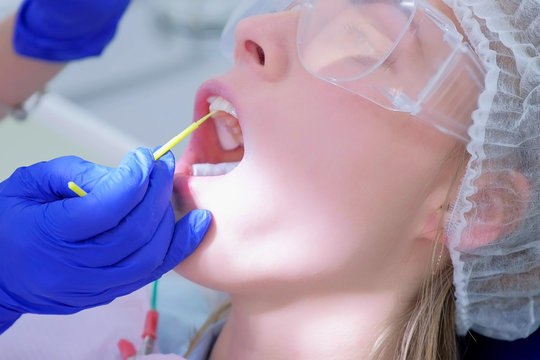
When you apply fluoride treatments, you're helping strengthen tooth enamel so it can better resist acid attacks from plaque bacteria. This prevents tooth decay, and it's especially helpful for kids - it significantly cuts down their risk of getting cavities.
Fluoride treatments help remineralize tooth enamel, which is a big part of keeping people's mouths healthy.
Educating Patients on Oral Hygiene and Dental Health
Education is a huge part of what you do. Patient education is a core component of dental hygiene practice, helping patients develop healthy habits and improve their overall oral health outcomes. You’ll be:
- Teaching patients the right way to brush and floss
- Explaining why good oral hygiene matters
- Talking about how diet affects oral health
- Recommending the right oral care products to help people develop healthy habits
When you educate patients, you’re giving them the tools to take control of their oral health and avoid future problems.
Taking Dental X-Rays
Dental x-rays help you see oral health issues that you can't spot during regular exams. These x-rays give you detailed views of teeth and jaws, so you can catch problems like cavities, gum disease, and oral infections early. When you spot these issues early, you can prevent more serious complications and make sure people get treatment when they need it.
How often you take x-rays depends on each patient's dental health, age, and risk for oral disease. This personalized approach means everyone gets the right kind of care for their specific needs.
Operating X-Ray Machines
You'll be trained to operate x-ray machines, and it's a key part of your job. You'll use the latest diagnostic technology to make sure you get high-quality images for effective diagnosis. Having up-to-date x-ray technology is essential for accurate diagnosis and treatment planning.
Analyzing X-Ray Results
When you analyze dental x-rays, you're looking for issues that you can't see during a physical exam. You'll be checking for signs of cavities, gum disease, oral infections, and even tumors. What you find in these x-rays plays a big role in diagnosing dental issues and figuring out the best treatment options.
Communicating Findings
Once you've analyzed the x-rays, you need to clearly explain what you found to dentists and discuss potential treatment options with patients. This communication makes sure everyone on the dental team knows what's going on and that patients get comprehensive care based on accurate information.
Managing Patient Records
Keeping patient records organized is critical for providing the best possible care. Accurate records help with treatment planning, insurance stuff, and making sure care stays consistent. You’ll play an important role in keeping these records neat and organized, which supports efficient and effective patient care.
These records include detailed documentation of treatment plans, medical histories, and compliance with regulations. Dental examiners and the state's board oversee compliance with these regulations, and requirements vary by state, so it’s important to stay informed about the specific guidelines in your area. When you maintain comprehensive and up-to-date records, you’re helping ensure that every patient gets personalized and safe care.
Documenting Treatment Plans
You'll need to document treatment plans to track patient care and ensure consistency. Keeping accurate and organized patient records is crucial for safe and effective care.
This documentation also follows legal requirements for patient confidentiality and record-keeping, so you'll need to make sure all information is managed securely.
.jpeg)
Updating Medical Histories
Updating medical histories is a big part of managing patient records. You'll regularly check and update these histories at each appointment to make sure care stays safe and effective.
Keeping medical history current helps you make informed decisions about patient care and tailor treatments to what each person needs.
Ensuring Compliance with Regulations
You'll also need to make sure you're following regulations. You have to stick to HIPAA regulations to protect patient confidentiality when you're keeping records.
Maintaining patient privacy and following legal standards is essential when you're managing dental records and protecting sensitive information.
Assisting During Dental Procedures
You’ll play a supportive role when you’re assisting during dental procedures, making sure patients are comfortable and procedures run efficiently. Dental assistants and dental hygienists both support the dental team, but each has different necessary skills and responsibilities tailored to their specific roles. By handling key duties and working together on treatment plans, you help dentists provide high-quality care. This includes not just cleaning treatments but also more complex procedures, which makes the whole patient experience better.
Your help is crucial in different stages of dental procedures - from getting instruments and materials ready to providing chairside assistance and taking care of patients after procedures. Dental assistants often handle similar tasks and require necessary skills in both clinical and administrative areas. This comprehensive support makes sure complex dental procedures go smoothly and effectively.
Preparing Instruments and Materials
Getting instruments and materials ready makes sure dental procedures go smoothly and efficiently. You'll carefully arrange instruments like scalers, curettes, and suction devices, along with materials like fluoride and sealants, plus other oral care devices, to maximize efficiency and make patients more comfortable.
Providing Chairside Assistance
Providing chairside assistance is crucial. You'll manage patient comfort, make sure necessary instruments are easy to reach, and help create a smoother workflow for the dentist.
This role is vital for keeping patients happy during treatment and making sure procedures are carried out efficiently under direct supervision, which requires the right skills and plays an important role.
Post-Procedure Care
After a procedure, you'll give patients detailed instructions on how to take care of themselves properly so they can recover effectively and maintain their oral health. This guidance is crucial for helping patients manage any discomfort and keep their mouths healthy after treatment.
Collaboration with Dental Teams
Working together with your dental team is vital for comprehensive patient care. You act as a crucial link between patients and dentists, effectively communicating what you’ve found and treatment options to make sure everyone gets informed care. This teamwork addresses all kinds of patient needs by including you in treatment planning and execution. Within a dental office, dental professionals collaborate closely to address a broad range of patient concerns, from oral health to emotional well-being and administrative support.
By managing patient anxiety and comfort through good communication, you also contribute significantly to the overall patient experience during procedures. Your role in making sure necessary tools and equipment are easy to access further enhances how efficiently procedures run and keeps patients comfortable.
Working with Dentists
When you work closely with dentists, you help develop effective treatment strategies. You communicate x-ray results and other findings, which helps with appropriate treatment decisions. This collaboration makes sure both the dentist and the patient are well-informed, allowing for comprehensive and personalized care.
Your distinct responsibilities and patient interactions complement what dentists do, creating a cohesive care environment.
Team Coordination
Good team coordination is essential in a dental practice. You contribute to this by using your organizational skills to enhance how efficiently operations run and improve patient care. When everyone on the dental team coordinates well, it ensures everyone's on the same page, which is crucial for providing high-quality care and managing all the different things patients need.
Enhancing Practice Efficiency
Improving how efficiently the practice runs is another area where you excel. By managing clinical tasks and supporting dental procedures, you help maintain a well-organized dental practice environment. For additional guidance on how to manage your dental office, explore proven strategies that not only make patients happier but also create a more productive work environment for the entire dental team.
Efficient practices can also give you opportunities for advancement, like taking on office management roles.
Summary
So there you have it - dental hygienists play a multifaceted and absolutely essential role in dental care. From conducting initial patient exams and providing preventive care to taking dental x-rays, managing patient records, assisting during procedures, and working with dental teams, your responsibilities are pretty vast and varied. Every task you do contributes significantly to patients' overall health and well-being, making sure everyone gets the highest standard of care.
When people understand these roles, they get a better appreciation for the comprehensive care that you provide. Your expertise doesn't just make dental practices more efficient and effective - it also makes sure patients feel comfortable and well-cared for throughout their dental visits. As we keep prioritizing oral health, your importance will only grow, which really shows how essential your role is in the field of dentistry.
Frequently Asked Questions
Why is the initial patient examination important?
The initial patient exam is essential because it lets you identify oral health issues early and helps you develop personalized treatment plans that fit each patient's specific needs. This proactive approach ultimately leads to better health outcomes.
What does preventive care include?
Preventive care includes services like professional dental cleanings, fluoride treatments, and education on oral hygiene, all aimed at keeping people's mouths healthy and preventing issues like tooth decay and gum disease. Making these practices a priority is essential for long-term wellbeing.
How do dental hygienists contribute to taking dental x-rays?
You play a crucial role in taking dental x-rays by operating the machines, analyzing the results, and effectively communicating your findings to dentists. This contributes significantly to diagnosing hidden dental issues and making sure patients get proper treatment.
Why is managing patient records important?
Managing patient records is crucial for delivering optimal care because accurate records help with effective treatment planning, insurance processing, and ensure continuity of care. By keeping organized records, you significantly contribute to better patient outcomes.
How do dental hygienists assist during dental procedures?
You play a crucial role in supporting dentists by preparing instruments, providing chairside assistance, and giving post-procedure care instructions, making sure procedures are efficient and successful. Your comprehensive involvement makes the overall patient experience better.