Table of contents
Get Started with Kwikly
Get the latest updates, insights, and exclusive content delivered straight to your inbox.
Yes, being a dental hygienist is hard. The job is hard on the body, hard on the clock, and hard in the chair when a patient is anxious or a column is packed. Dental hygiene school is a different kind of hard, and it already has its own pages. After the license, the work is scaling, perio, patient education about oral health, radiographs, and the pace of a real hygiene day. Those hard parts show up in private offices, DSOs, and temp days. How the job is set up around you (who employs you, how the book is built, what happens when a shift disappears) is what makes the work stayable.
Licensed hygienists who already know the work and are deciding whether to stay, change offices, or temp with an employer. Dental hygiene students and career-switchers who have finished the research on dental hygiene programs and want the truth about the job itself.
If you are asking is being a dental hygienist hard, you are asking about the licensed day. The work is hard because you spend a career in other people's mouths, in a small room, on a clock that does not care how much calculus walked in after lunch. The skills are learnable. Posture, pace, and emotional load are what wear people down. Direct patient care in dental offices is the whole job, for the length of a career.
School admissions and a nursing comparison already have their own posts. The dental assistant version of the question does too.
What changes the answer is how the job is set up: who employs you, how the book is built, what happens when an office cancels late, and whether the column is built for care or only for units. The hard parts do not disappear. They get survivable when the work is treated as a career, including when that career is temping.
What "hard" means once you are licensed
Hard, in this job, shows up as four things on the same Tuesday.
Your body takes a lean it cannot outsource. You sit or stand over a patient, hold a precise grip, and repeat it. Necks, shoulders, wrists, and lower backs take the bill. Physical health is part of the work, and good ergonomics are crucial for preventing pain in dental hygienists.
The clinic day is short. History, radiographs, perio charting, scaling, cleaning teeth, educating patients, and notes all have to fit. Time management is a clinical skill in the dental hygiene profession. When the patient is late or the case is heavier than the slot, you absorb it.
People in the chair are not standardized. Some are calm. Some are terrified, in pain, or done hearing about floss. You stay even.
Employment setup is part of the load. Many hygienists work part time, and some work in more than one office. The BLS Occupational Outlook Handbook notes both (visited August 2026; handbook last modified August 28, 2025). Part-time days can protect the body. They can also mean thinner benefits and a patchwork of offices if nobody is employing you as a career.
A hygienist examines patients for oral diseases such as gum disease, provides preventative care, and teaches home care. That is patient care with your own patients in the chair, as a licensed healthcare professional. Kwikly's page on what a dental hygienist does is the duty list. The hard part is repeating that work, well, for years.
The body of the work
Veterans mention this part first, and they are not being dramatic.
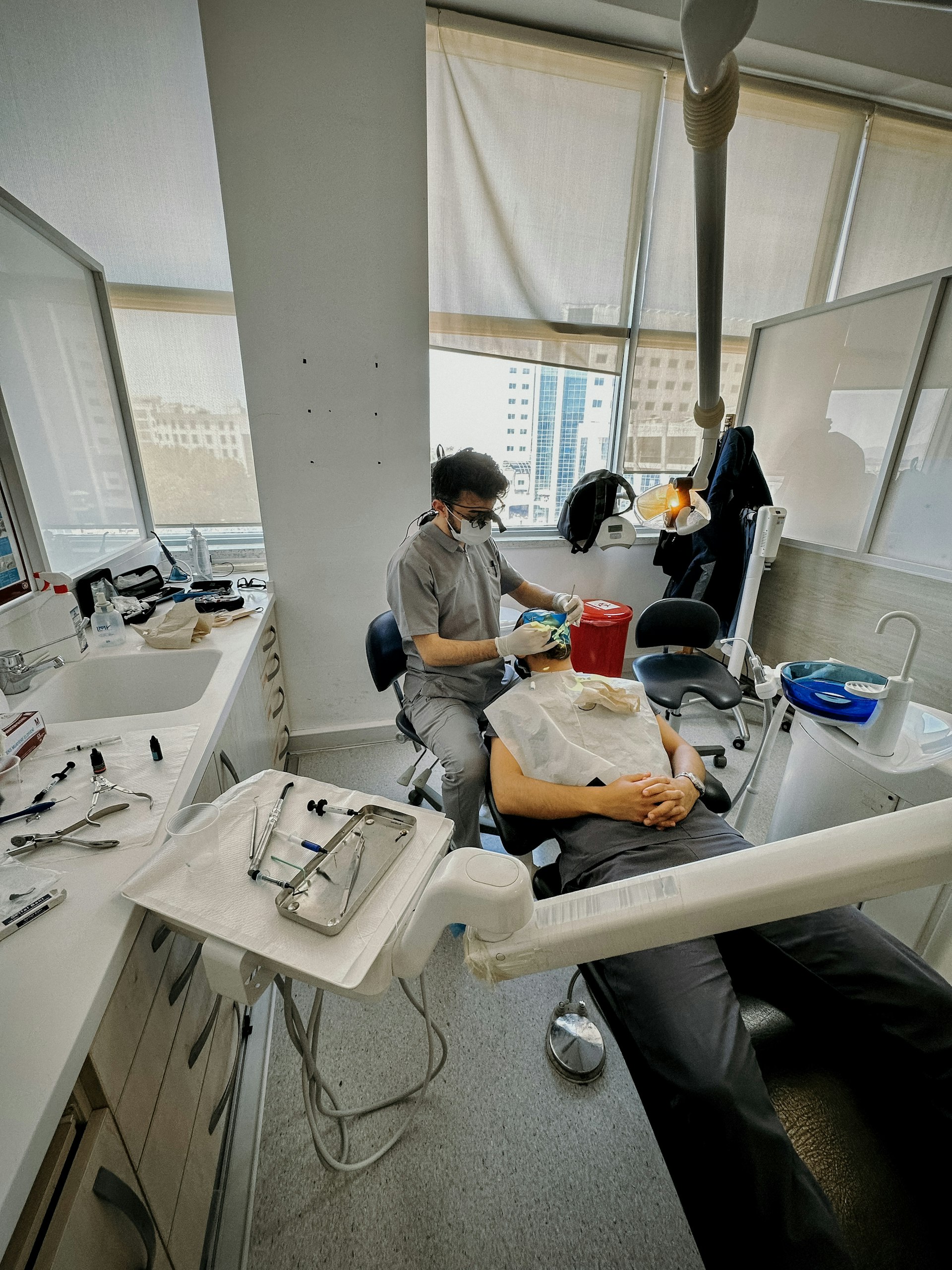
You work in a tight field on a small part of the body. You hold static postures. You use hand instruments and ultrasonics for hours. The BLS work environment also notes the PPE and radiation protocols that sit on top of the chair work. Dental hygienists need to adhere to infection control practices and use PPE, because exposure to saliva and blood requires strict safety protocols. None of that is optional.
A 2009 systematic review in the International Journal of Dental Hygiene put general musculoskeletal pain among dental professionals in a range of 64 percent to 93 percent. For hygienists, the hand and wrist were the most common sites, reported in 60 to 69.5 percent of the studies the authors reviewed. Repetitive work in dental hygiene can lead to hand injuries and fatigue, and hygienists often experience musculoskeletal pain because of static postures. That paper is older than the current BLS wage table. The mechanism has not aged out. The same lean, the same grip, the same column.
Loupes, a chair that actually adjusts, sharper instruments, and a column with a little slack help. So does self care outside the operatory and a real work life balance. So does a week that is not five identical eight-hour leans. None of that removes the risk. If someone recruiting you talks only about the rate and never asks how you protect your neck, treat that as a warning.
The clinic day: pace, patients, and production
Time is the other hard part.
School taught you to assess, talk, and document. The book often gives you less time than clinic did for the same patient. That gap is a common shock in the first year. Offices have to run a day. Hygienists have to do the work inside it.
The American Dental Hygienists' Association names the same cluster on its mental health page: tight scheduling, limited autonomy, and the physical strain of the posture. A 2020 paper in the journal Work found that emotional demands were tied to burnout in U.S. hygienists, and physical stress was tied to leaving clinical hygiene. Pick the rooms you sit in with care.
Patient load is the part no syllabus can fake. You spend more continuous minutes with a person than most of the team. Anxiety, gagging, late arrivals, and home-care conversations that do not stick are normal weeks. Critical thinking sits under every one of them. You keep the tone, then finish the notes before the next greeting.
Production pressure exists in some offices. It is not universal. Ask, before you accept a seat, how long the appointments really are and what happens when a periodontal disease case needs more than the slot. Dental practices differ, and so does how they treat the dental hygiene field. Registered Dental Hygienists has written about the same mix: fatigue, support, and whether the workplace treats hygiene as a profession.
School is a different question
Admissions, science load, high grades, and clinic patients you have to find yourself belong on Kwikly's page on whether hygiene school is hard. The nursing comparison lives on hygiene school versus nursing school.
BLS says hygienists typically need an associate degree, that most programs in dental hygiene education usually take three years, and that every state requires a license (visited August 2026). The same handbook is the source for the labor statistics on demand. The ADHA path is the usual stack: an accredited program, the National Board Dental Hygiene Examination, and a regional or state clinical board. Board exams and dental accreditation through CODA sit in front of every hygiene program, and passing exams is the gate. A bachelor's degree is not required to start, and hygiene is not dental school.
School is intense because the rigorous coursework in science courses, dental anatomy, and head and neck anatomy is heavy, and the clinical standard is unforgiving. Aspiring dental hygienists also clear prerequisite courses, a minimum GPA, and clinical training on real patients before graduation. Dental hygiene programs often have competitive admissions because seats are limited, and students must find their own patients for clinical requirements. The job is intense because that same standard now sits inside a production day, on your body, with patients who did not volunteer to be your competency check.
Hygiene and assisting are different jobs
People often search the assistant version of the same question. The hard looks different in each chair.
A dental assistant's day is chairside support, sterilization, and often a mix of clinical and front-desk work. Training is shorter. The license stack is different. Dental assistants support dental procedures and often carry administrative tasks that hygiene does not. The body strain is real, and it is a different pattern: more standing, more reaching, more room turns. Kwikly already covered that job on whether dental assisting is hard. Hygiene is a licensed preventive practice with its own patients. You own a column. You scale, assess, educate, and document under your state's supervision rules. If you want the longer clinical list, use the hygienist responsibilities guide.
What makes the hard parts survivable
The hard parts do not get talked away. School stays hard. Clinic stays paced. The body still has to be managed. Emotional load still lands on you.
What changes is whether the job is built like a career.
Hygiene work is already split. Plenty of hygienists are W-2 at one office, or part time in two or three. Plenty temp. Offices use temp days for vacations, leave, sick days, and the weeks they cannot hire fast enough. Hygienists use those days to try rooms, to keep a week they can actually sit, or to stay in the field without marrying one column.
A last-minute cancel can leave you unpaid after you already turned down another day. An app will sell you the calendar. The calendar does not protect your neck, your paycheck, or your license when Tuesday disappears.
W-2 employment treats the shift like a job. Taxes, workers' comp, and liability sit with the employer. If an office cancels a confirmed shift less than 24 hours out, or shortens it inside that window, Last-Minute Pay Protection pays the professional in full. Kwikly is built that way. The shift card shows pay, hours, skills, and software before you walk in.
How to decide if the job fits you
Ignore the highlight reel and sit a full day in a real column. Clinical work is the whole day. Watch the appointment that runs long. Watch the notes. Watch how the hygienist stands up between patients, or does not. Watch the minutes spent preparing patients and cleaning patients' teeth.
Appointment length is worth asking about before you accept a seat. So is whether hygiene is assisted, what the office does when a perio patient needs more time, who employs you if you temp, and what happens if the office cancels after you have already turned down another day.
Look at your own body honestly. A prior neck or wrist injury is information. The people who last treat ergonomics as part of the job, the way they treat infection control. Critical thinking skills and honest self assessment matter more here than high grades did in school.
If you are still in school, finish the license path. BLS and ADHA already described it. Then choose the first rooms with the same care you used to choose the program. Infection control and proper ergonomics stay part of the day for the rest of a dental hygiene career. The career path post is there when you want the longer view. The median salary in the BLS May 2024 data was $94,260 a year. Job market, days, and setting move that number, and a competitive salary in one metro is not the same number in another.
Employment of dental hygienists is projected to grow 7 percent from 2024 to 2034, much faster than the average for all occupations, per the same handbook. That is high demand. It does not make the work easy. The Bureau of Labor Statistics projects that growth across dental offices, dental clinics, and public health settings. The question is whether you can do the work in a setup that lets you stay.
Common questions about the job
Is being a dental hygienist hard day to day?
Yes, on the days the book is full and the cases are heavy. The clinical skills are the trained part. Doing them on time, in a lean, with a person who may not want to be there, is the hard part.
What is the hardest part of being a dental hygienist?
For most clinicians it is posture and pace together. Emotional load sits on top when the patient is anxious or the home-care conversation is going nowhere. Employment that treats you as a professional does not erase those things. It keeps them from also being a payroll problem.
Is it harder than being a dental assistant?
It is a different license and a different chair. Hygiene owns a preventive column. Assisting is support, room turns, and often a wider mix of tasks. Compare the two jobs. Use the assistant page if that is the role you are actually weighing.
Does hygiene school tell you if the job will be hard?
If the job is hard, build it like a career
Being a dental hygienist is hard. Anyone who tells you otherwise has not sat a full column, or has not been honest about the one they sat. The body and the pace are the job. So are the people in the chair.
You do not have to treat the career as a short ride you abandon the first time your neck complains. Choose rooms that respect the clock. Protect the body on purpose. Work for an employer if you temp, so the cancel, the tax year, and the bad Tuesday are not yours alone.
If that is the version of hygiene you want, start on Kwikly's page for hygienists. Treat the search the way you would treat any job: details first, then the day.