Table of contents
Get Started with Kwikly
Get the latest updates, insights, and exclusive content delivered straight to your inbox.
Key Takeaways
- Tooth decay is still the number one dental problem, affecting way too many adults. The good news? You can prevent it with solid oral hygiene, better eating habits, and making sure you can actually get to a dentist.
- Some communities get hit harder with oral health problems than others, especially where many people struggle to afford dental care. This financial barrier contributes to disparities in oral health, so we need targeted support to improve everyone's access to dental services and health education.
- Dental offices are struggling to find staff these days. That’s where innovative solutions like Kwikly come in, offering practices flexible staffing options to keep things running smoothly and better care for patients.
Who This Article Is For
- People who want to understand the most common dental problems and how to prevent them.
- Patients dealing with tooth decay, gum disease, sensitivity, dry mouth, or dental anxiety and looking for practical solutions.
- Parents who want to protect their kids’ teeth and reduce their risk of cavities.
- Community leaders, educators, or public health professionals working to improve access to dental care.
- Dental professionals who want a simple overview of today’s biggest oral health challenges and how to address them in practice.
- Practice owners and managers looking for ways to solve workforce shortages and keep patient care on track.
If you've ever wondered what keeps dentists busy, tooth decay, gum disease, and oral cancer are just a few of the big issues affecting millions of people. We're breaking down the top 10 dental problems you might face and giving you straight talk on how to deal with each one.
Introduction to Dental Problems
Chances are you've dealt with dental problems at some point, or maybe you know someone who has. These issues don't discriminate—they affect people no matter how old you are or where you come from. We're talking tooth decay, gum disease, and even oral cancer. And here's the thing: this stuff can really mess with your day-to-day life and how you feel overall. Health experts know that what's going on in your mouth matters for your whole body, and when your oral health isn't great, you're looking at pain, trouble eating, and it can even affect how confident you feel around other people.
The dental folks tell you to get regular check-ups and stick to a solid routine at home—you know, brushing twice a day with fluoride toothpaste and flossing every day. Sounds simple enough, right? But here's what's frustrating: even with all this advice out there, tons of people still struggle with oral health problems. Why does this keep happening? Most of the time, it comes down to not staying on top of oral hygiene, eating too much sugary and acidic stuff, and not being able to get to a dentist when you need to. It's real-world problems that make it tough to keep your mouth healthy.
Tooth Decay
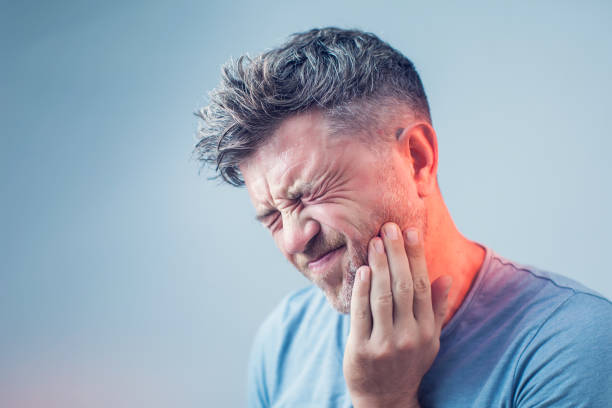
Here’s something that might surprise you - tooth decay affects nearly 22% of older adults. That’s a lot of people dealing with dental cavities and worse. This happens when bacteria in your mouth turn the sugars you eat into acids that basically eat away at your teeth. If you’re not keeping up with brushing and flossing, you’re looking at dental cavities, infections, and maybe even losing teeth completely. And if you’re someone who loves sugary snacks and drinks, or you’re not great at getting rid of plaque, you’re making the problem worse.
It’s important to identify tooth decay in its early stages, as early detection allows for more effective treatment and can prevent more serious dental problems down the line.
But here’s how you can fight back:
- Brush your teeth at least twice a day with fluoride toothpaste. It’s simple, but it works to prevent tooth decay and keep your enamel strong.
- Cut back on sugary snacks and drinks. Your teeth will thank you, and you’ll seriously reduce your risk of cavities.
- Don’t skip your dental visits. Catching decay early means you can fix it before it becomes a real problem.
Fluoride is your friend when it comes to preventing tooth decay. Whether it’s in your toothpaste or from professional treatments, fluoride helps rebuild your enamel and makes it tougher against acid attacks. Communities with fluoride in their water have way less tooth decay, which shows you just how important this stuff is.
We also need to talk about fairness in dental care. Not everyone has the same access to dental services, especially older adults, and that leads to more untreated dental caries and a greater impact on quality of life. Better dental coverage and easier access to dental care can help level the playing field and get everyone better oral health.
Gum Disease
If you think gum disease isn't a big deal, think again. It affects nearly 50% of adults in the United States. This condition starts with plaque buildup and can get really serious if you ignore it. You've got different stages, from gingivitis all the way to advanced periodontitis, and each one gets progressively worse.
Early gum disease, or gingivitis, shows up as swollen gums and bad breath that just won't go away. The good news is you can reverse gingivitis with proper oral hygiene and professional help. But if you let it slide, it can turn into serious periodontal disease, where you start losing the support around your teeth and eventually lose the teeth themselves.
Some people are more likely to get gum disease because of their genes, poor oral hygiene, or certain medical conditions. But here's what you can do about it: brush and floss regularly to prevent gum disease from starting. If you already have it, dental professionals often recommend scaling and root planing to treat mild to moderate cases. This process removes plaque and tartar from below your gum line.
Regular dental care and good oral hygiene make a huge difference in preventing gum disease. If you tackle the root causes like plaque buildup and poor oral hygiene, you can improve your oral health and stop gum disease in its tracks.

Tooth Erosion
Tooth erosion is one of those problems that sneaks up on you. It's a gradual process where your enamel gets thinner, making your teeth more sensitive and discolored. Here's what causes it:
- Eating and drinking acidic stuff
- Brushing too hard
- Medical conditions like GERD. Over time, your enamel wears away, exposing the softer dentin layer underneath and increasing your risk of cavities and other oral health problems.
You'll know you have tooth erosion if your teeth become super sensitive to hot, cold, sweet, or sour foods and drinks. You might also notice pitting and discoloration on your teeth.
Here's how to protect yourself: use fluoride toothpaste, limit acidic foods, and don't brush right after eating to protect your enamel.
Regular dental check-ups help catch tooth erosion early and get you the right treatment. If you stick to good oral hygiene and make some dietary changes, you can protect your tooth enamel and keep your mouth healthy.
Oral Cancer
Oral cancer is serious stuff - it’s the 11th most common cancer worldwide with about 300,000 new cases every year. Here’s what you need to know:
- The main causes are tobacco, alcohol, and areca nuts
- About 60% of oral cancer cases aren’t caught until they’re advanced
- Catching it late really hurts your chances of survival
Oral cancer primarily affects the tissues of the oral cavity, which includes the lips, tongue, floor of the mouth, cheeks, and hard palate.
Early detection and screening can save lives when it comes to oral cancer. Regular dental check-ups help spot early signs of cancer in your mouth, and if it’s caught early and localized, the five-year survival rate is over 80%. Where oral cancer shows up varies by location - in South and Southeast Asia, it’s usually the buccal mucosa, while in other regions, it’s more often the tongue. Oral and maxillofacial surgeons are key players in diagnosing and treating these conditions.
Your genes and infections with HPV also increase your risk of developing oral cancer. Treatment usually involves surgery and radiation, especially for early-stage tumors. These treatments aim to remove or destroy cancerous tissue and prevent the disease from spreading.
Getting the word out about oral cancer risk factors and symptoms helps with early detection and prevention. Avoiding known cancer-causing substances and keeping up with regular dental visits can significantly reduce your risk.
Dental Caries in Children
Kids and cavities - it’s a bigger problem than you might think. Dental caries affects around 46% of children aged 2 to 19. More than 530 million children worldwide are dealing with untreated cavities in their baby teeth. That’s a lot of kids in pain. Things like parental education levels and neighborhood conditions play a big role in how likely kids are to get cavities.
But here’s some good news - we’re making progress. Over the past 20 years, cavities in kids aged 6-11 have dropped from 25% to 18%. School programs that teach kids about oral health have been huge in improving how kids take care of their teeth and reducing cavities. Establishing consistent oral hygiene routines, like brushing and flossing from an early age, is essential for preventing dental caries and promoting lifelong oral health.
Dental sealants are another game-changer. Check this out:
- The percentage of kids aged 6 to 11 with dental sealants went from 20.3% to 32.1% between 1999 and 2016.
- These sealants create a protective barrier against the bacteria that cause decay.
- They seriously reduce the risk of cavities and are especially important for protecting permanent teeth as children transition from baby teeth.
But we still need to address the fact that some kids get better dental care than others. Lower-income families often can’t access dental care easily, which means more untreated cavities. We need to improve access to dental services and promote prevention to make sure all kids get better oral health outcomes. Routine dental care for children is crucial to prevent cavities and support long-term oral health.
Dental Trauma and Emergency Care
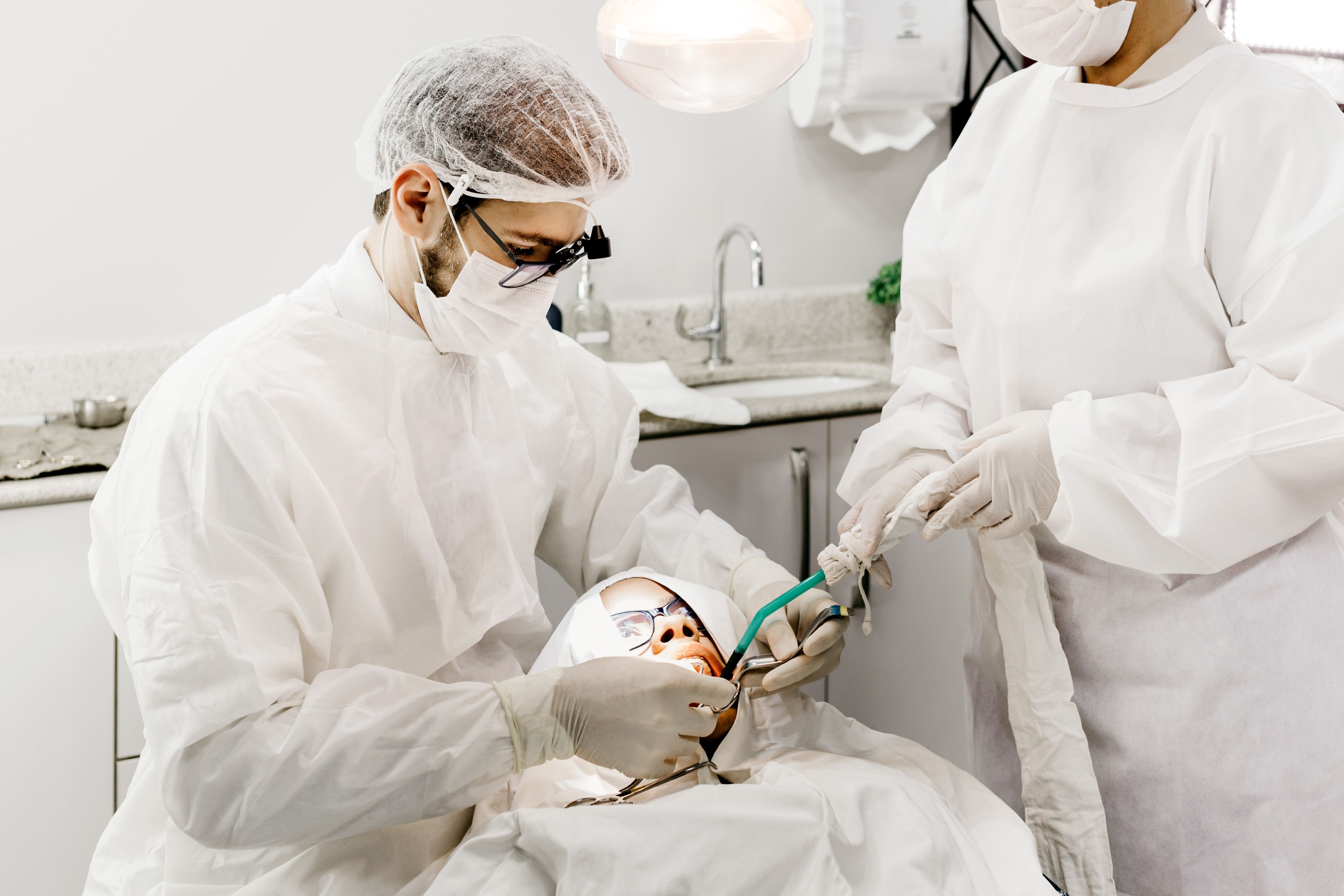
Dental stuff can happen when you're just going about your day. Maybe you're biting down on something hard and chip a tooth, or you take a fall and crack one, or you're playing sports and end up with a knocked-out tooth. These things are painful and stressful, but here's the thing: if you know what to do, you can make a real difference in saving that tooth and keeping things from getting worse.
Crooked Teeth and Orthodontic Treatment
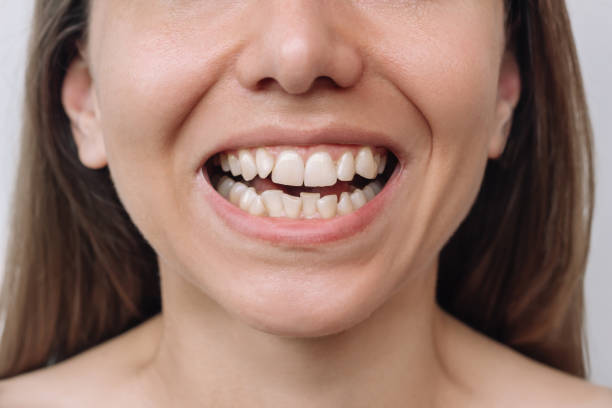
If you've got crooked or misaligned teeth, it's not just about how your smile looks. Though that matters too, it's about your overall oral health, and trust us, it can make keeping your teeth clean way harder than it needs to be. You might even deal with jaw pain or find yourself struggling with speech issues. Maybe you inherited wonky teeth from your parents, or maybe you lost baby teeth too early, sucked your thumb as a kid, or just had other things happen that messed with how your adult teeth came in. Whatever the reason, those crooked teeth can cause real problems down the road.
Oral Health Disparities
Not everyone gets the same shot at good oral health, and that’s a problem. Here’s what’s behind these disparities:
- Factors like education level and income are strongly associated with your risk of oral disease.
- Barriers like lack of insurance and low health literacy make these disparities worse.
- About 25.9% of adults aged 20 to 44 have untreated cavities.
- Seniors aged 65 and older also deal with a lot of untreated tooth decay, which impacts everyone’s oral health.
In the United States, 29% of people didn’t have dental insurance in 2015, underscoring the size of the coverage gap.Medicaid dental benefits for adults are pretty limited - only 28 states and the District of Columbia provide comprehensive coverage. Dental expenses often create bigger financial barriers than other types of healthcare, which limits access for many people. Addressing these issues requires strengthening health resources and integrating oral health into broader health systems to ensure equitable access and reduce disparities.
The gap in cavities between lower-income teens and their wealthier peers is actually getting bigger, which really shows we need targeted help. Fixing these disparities means expanding dental coverage, improving health literacy, increasing access to affordable dental services, and supporting a diverse workforce of dental providers to reach underserved communities.
Public health programs and policies that target oral health disparities can improve outcomes and ensure everyone has fair access to dental care. Focusing on prevention and education can reduce the burden of oral diseases and promote better oral and overall health. Oral health professionals are crucial to making these initiatives work, and public health programs aim to improve oral health for all populations.
Dental Anxiety
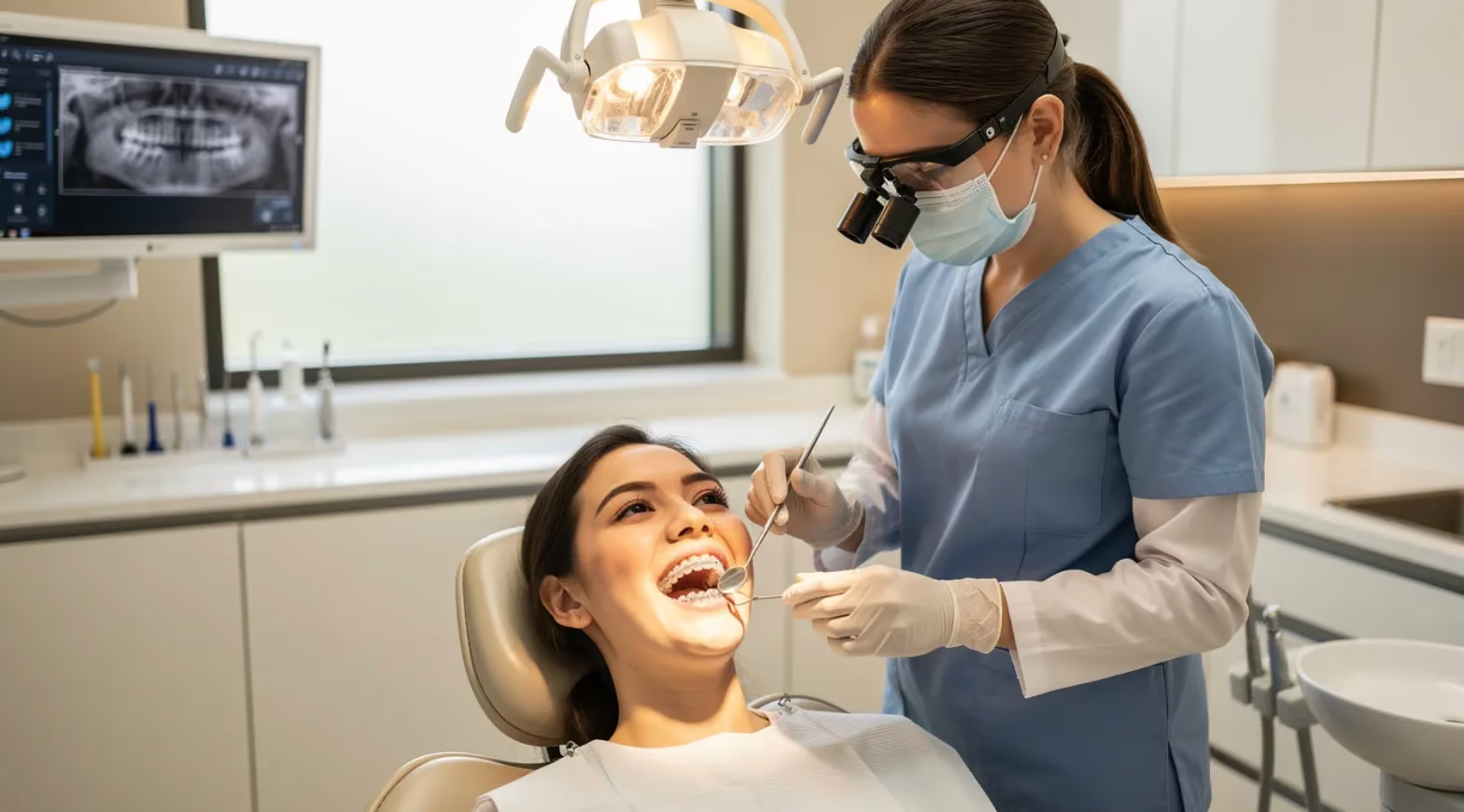
Let's be honest - a lot of people are scared of the dentist, and that fear keeps them from getting the care they need. This anxiety can come from bad past experiences, fear of pain, or just general worry about dental procedures. Sedation options like nitrous oxide or oral sedatives can help calm your nerves and make dental visits way more comfortable.
Creating a calming environment in dental clinics also helps reduce anxiety. Here's what works:
- Playing relaxing music
- Using soft lighting
- Providing distractions like movies or music, these simple changes can help you feel more at ease during your appointment.
Cognitive behavioral therapy (CBT) works really well for severe dental anxiety and phobia by addressing the thoughts and behaviors that contribute to the fear, which can also impact your mental health. Relaxation techniques like guided imagery and breathing exercises can be helpful if you're dealing with dental anxiety.
Systematic desensitization, where you gradually get exposed to dental situations you fear, helps reduce anxiety over time. When dental professionals use these strategies, they create a more welcoming and stress-free environment that encourages you to keep up with regular dental care and improve your oral health.
Tooth Sensitivity
Tooth sensitivity is one of those common dental issues that can make eating and drinking really uncomfortable. This usually happens when your enamel is worn down or your gums have receded, exposing the more sensitive dentin layer underneath. If you have sensitive teeth, you probably experience pain when you have hot, cold, sweet, or sour foods and drinks.
Managing tooth sensitivity means using desensitizing toothpaste, which helps reduce those pain signals from your teeth. Avoiding triggers like acidic foods, teeth grinding, and aggressive brushing can also help ease the discomfort.
Regular dental check-ups help figure out what's causing your sensitivity and get you the right treatment to improve your oral health.
Dry Mouth
Dry mouth, or xerostomia, can happen for various reasons, including certain medications, autoimmune diseases, and cancer treatments. Getting older and taking multiple medications also significantly increase your chances of experiencing dry mouth. This condition can make it hard to speak, eat, and maintain proper oral hygiene, which leads to poor oral health.
Here's how to manage dry mouth:
- Use salivary substitutes and stimulants, like sugar-free gum, to help with symptoms.
- Stay hydrated.
- Change your diet to provide relief and improve comfort in your mouth.
Addressing the underlying causes and using these strategies helps you manage xerostomia and maintain good oral health.
Dental Workforce Challenges
The dental world has been dealing with some serious staffing problems, including shortages and high turnover rates, especially since COVID-19 hit. Surveys show that over 70% of dentists find it extremely hard to recruit administrative staff, who are critical for keeping things running smoothly. High turnover among dental staff leads to increased costs and disrupts how the dental practice environment operates, affecting the delivery of advanced, evidence-based oral health care.
Many dental practices are seeing more applicants who want part-time roles, which makes it harder to maintain stable staffing. That’s where innovative staffing solutions like Kwikly come in. Here’s what Kwikly offers:
- An end-to-end staffing platform that connects dental professionals with offices that need reliable, high-quality temporary or full-time staff.
- Dental professionals can create profiles through the Kwikly app or website.
- Instant access to open shifts in their area.
Kwikly’s platform gives dental professionals total control over their scheduling, letting them work when and where they want, with no pressure or commitment. Dental offices can easily request hygienists or assistants for open shifts through Kwikly’s simple platform, making sure their schedules run smoothly and reducing cancellations and lost revenue from staffing gaps.
By making staffing processes simpler, reducing costs, and improving flexibility, Kwikly enhances patient care and supports dental service organizations in maintaining high standards of oral health care. Improved staffing in dental practices not only addresses workforce challenges but also leads to better patient outcomes by ensuring consistent, high-quality care. This approach addresses workforce challenges in the dental sector, making sure both dental professionals and offices can thrive in a demanding environment.
Summary
Throughout this blog post, we’ve looked at the top 10 problems in dentistry and how you can solve them. From tooth decay and gum disease to oral cancer and dental workforce challenges, these issues seriously impact oral health and overall well-being. Understanding what causes these conditions, how to prevent them, and how to treat them is crucial for keeping a healthy smile and getting better outcomes.
Addressing oral health disparities and dental anxiety can help more people access dental care and encourage them to get the treatment they need. By using effective strategies and leveraging innovative solutions like Kwikly, we can overcome the challenges the dental sector faces and ensure better oral health for everyone.
At the end of the day, improving the nation's oral health comes down to education, prevention, and access to quality dental care. By staying informed, practicing good oral hygiene, and supporting advances in dental services, we can make a positive impact on oral health and overall well-being for generations to come.
Frequently Asked Questions
What are the three common dental conditions caused by poor dental hygiene?
Poor dental hygiene commonly leads to dental caries (tooth decay), periodontal diseases, and tooth loss. Keeping up with good oral hygiene is essential to prevent these conditions.
What are the primary causes of tooth decay?
Tooth decay is mainly caused by plaque buildup that turns sugars into damaging acids, made worse by high sugar intake and poor oral hygiene. Dealing with these factors is essential for keeping your teeth healthy.
How can I prevent gum disease?
To prevent gum disease, keep up with good oral hygiene by brushing and flossing regularly, and make sure you get routine dental check-ups. Avoiding tobacco and managing any underlying health conditions are also key steps.
What are the symptoms of oral cancer?
Symptoms of oral cancer include sores or lumps in your mouth that don't go away, difficulty swallowing, and unexplained bleeding. It's crucial to talk to a healthcare professional for early detection and better outcomes.
How can dental anxiety be managed?
You can effectively manage dental anxiety using sedation options, creating a calming clinic environment, cognitive behavioral therapy, and relaxation techniques like guided imagery and breathing exercises. Using these strategies can significantly improve your experience at the dentist.