Table of contents
Get Started with Kwikly
Get the latest updates, insights, and exclusive content delivered straight to your inbox.
Average Salary of a Dentist
If you're thinking about jumping into dental work, you're already practicing, or you just want to see how your paycheck measures up, you're probably wondering what dentists actually bring home. The truth is, it depends on a bunch of things - where you're working, how long you've been at it, that kind of stuff. Let's break it all down with real numbers you can actually use.
Average Salary for General Dentists in 2025
Here’s what you’re looking at as a general dentist in the United States - you’re probably going to make somewhere between $180,000 and $200,000 a year in 2025. The Bureau of Labor Statistics says the average annual pay for dentists was around $196,100 as of May 2024. That works out to roughly $16,340 each month, $3,770 per week, or $94 an hour if you’re working a regular schedule.
Here’s what general dentists are making at different points in their careers:
- Average annual salary for a general dentist in 2025: around $180,000 to $200,000
- Starting salary for entry-level dentists typically ranges from $123,000 to $145,411 annually
- What you’ll probably start with as a new grad: somewhere around $120,000 to $135,000
- What you can expect with 10+ years under your belt: $190,000 to $230,000 or even more
- Where most people fall: roughly $150,000 to $210,000
Roughly half of all dentists will make between $104,000 and $208,000 a year.
Want some perspective? The typical US worker makes around $60,000 a year. That means you’re looking at about three times what most people earn. Compare that to dental hygienists who bring home around $85,000 to $90,000 and registered nurses who usually make $80,000 to $95,000, and you can see how your extra years of training and the responsibility you take on really pays off.
The rest of this article breaks down how your paycheck changes depending on your state, what specialty you pick, how much experience you’ve got, and what kind of practice you’re working in. We’ll also look at how temp work and DSOs are shaking things up for dentists and their teams when it comes to earning potential.
What Does a Dentist Do and How Does That Affect Pay?
Dentist pay reflects years of education, direct patient responsibility, and often the challenges of running a business. General dentists do everything from routine cleanings to complex procedures, and that scope of work directly impacts what they get paid.
Core responsibilities for general dentists include:
- Diagnosing oral diseases and dental diseases
- Fillings, crowns and extractions
- Root canal therapy and other restorative work
- Preventive care and patient education
- Maintaining oral hygiene and addressing a wide range of dental needs
- Reading X-rays and treatment planning
- Monitoring oral health and follow-up care
Many general dentists also perform minor dental surgery, including tooth extractions, surgical implants, and complex restorative procedures that require advanced clinical skill.
Where dentists work matters just as much as what they do. Some dentists work in:
- Solo private practice where they own and operate their own office
- Group practices with multiple dentists sharing overhead
- DSOs and corporate dentistry
- Public health clinics, hospitals or academic institutions
For more information on common dental tax questions relevant to all types of practices above, see this resource.
Owning your own practice adds a whole layer of business responsibilities. Think hiring staff, payroll, marketing, equipment purchasing, and rent. That extra work can increase income but also means more risk and longer hours.
Most dental offices rely on a team that includes dental hygienists and dental assistants. When these support roles are staffed consistently, dentists can focus on higher-value clinical work and see more patients. Platforms like Kwikly connect offices with vetted hygienists and assistants, which helps keep production steady and revenue predictable. For more strategies for enhancing the efficiency of dental practices, consider exploring additional best practices tailored for dental teams.
Average Dentist Salary in the US
When it comes to reliable salary data, the US Bureau of Labor Statistics, American Dental Association surveys and real-time salary aggregators are the go-to sources. Each tracks compensation slightly differently so it helps to look at them together. The amount a dentist earn can vary widely depending on factors like location, experience, and whether they own their practice or work as an associate.
,According to BLS data from May 2024, the mean annual wage for general dentists was around $196,100. The median annual wages were around $179,210. For 2025, based on recent trends, general dentists will continue to earn in the $180,000 to $200,000 range.
Here’s how the wage distribution breaks down:
- Bottom 10% of earners: around $110,000 to $120,000
- Median: approximately $179,000 to $185,000* Top 10% of earners: $208,000 and up, some high producers and owners earn much more
Dentists' salaries vary significantly by state, with some states offering average salaries over $240,000 and others below $140,000. The average salary for dentists in Ohio is among the highest in the country.
These numbers have been increasing driven by inflation and steady job growth in the dental profession. In 2020, the BLS reported a mean wage of around $180,830. The upward trend is due to inflation, growing demand for dental services, and advances in dental technology that allow practices to see more patients.
How does this compare to other healthcare roles?
- General dentist vs. US median full-time worker: dentists earn about 3x the national median
- General dentist vs. primary care physician: Primary care docs average around $240,000 to $260,000
- General dentist vs. nurse practitioner: NPs average around $120,000 to $130,000
- General dentist vs. dental hygienist: Hygienists average $85,000 to $90,000
Keep in mind that income reporting varies across sources. BLS captures W-2 wages, and ADA data often reflects net practice income for owners. Private salary databases may include bonuses and production pay. Treat any single figure as part of a range rather than an exact number.
Dentist Salary by State and Region
Geography plays a huge role in what dentists earn. Cost of living, local competition, insurance reimbursement rates, and patient demand all impact salaries up or down depending on where you practice.
The US-wide average general dentist salary is around $190,000, but individual states can swing $40,000 to $60,000 in either direction. Here’s what the landscape looks like.
High-paying states often include parts of New England and the Upper Midwest. Vermont, for example, shows average dentist salaries around $240,000 or higher. Rhode Island tops many lists with general dentists averaging above $250,000. Minnesota also tends to pay above the national mean.
On the other end some states consistently pay less. Hawaii, despite its high cost of living, shows average dentist salaries in the mid-$130,000s. Florida and Missouri also tend to fall below the national average.
A few patterns emerge when you look at the map. The Upper Midwest and parts of New England often pay above average, partly due to dentist shortages in rural communities. Coastal and heavily saturated urban markets sometimes pay closer to or below the national mean, even with higher living costs, because there’s more competition for patients. Rural areas frequently offer signing bonuses or higher base pay to attract dentists willing to relocate. Here’s a quick look at approximate average salaries in selected states:
- Vermont: around $240,000+
- Rhode Island: around $250,000+
- Minnesota: around $200,000 to $220,000
- Texas: around $170,000 to $190,000
- Florida: around $160,000 to $175,000
- Hawaii: around $135,000 to $145,000
In large metro areas like New York, Los Angeles, Chicago, Dallas and Atlanta dentists and their support staff often use flexible staffing platforms to keep schedules full. Kwikly operates in these major markets, helping offices fill hygienist and assistant shifts so production stays on track and dentist income remains stable.
How Much Dentists Earn by Experience Level
New dentists earn much less than established clinicians and practice owners. Most new grads begin their careers as associate dentists within established dental practices, working on production-based pay, with mentorship requirements and significant student loan debt. All of this affects take-home pay in the first few years. Experience is a primary driver of salary growth as dentists establish patient bases and technical skills.
Here’s how salaries typically progress by experience:
- Entry-level or first-year general dentists (often as associate dentists): around $120,000 to $135,000
- 1 to 4 years of experience: around $135,000 to $150,000
- Mid-career with 5 to 9 years: around $160,000 to $190,000
- Experienced dentists with 10 to 19 years: around $190,000 to $230,000
- 20+ years or high producers: $230,000 and up, some owners earn much more
Several factors can accelerate salary growth beyond just time in practice:
- Production or collections-based pay structures reward efficiency and case acceptance
- Moving from associate dentist to partner or owner unlocks equity and profit sharing
- Adding services like implants, clear aligners, cosmetic dentistry or sedation can increase revenue without requiring full specialty training
Many dentists early in their careers supplement income by picking up extra days at group practices or DSOs. Similarly dental hygienists and dental assistants working flexibly through platforms like Kwikly can increase their yearly earnings without changing employers, just by claiming additional shifts that fit their schedule.

Salary By Dental Specialty
Where a dentist works affects their income just as much as their location or years of experience. Solo practice, group practice, DSO employment, public health, and academic roles all have different compensation structures and tradeoffs. Other dentists may work as associates, partners, or in DSOs, and these arrangements can significantly impact their earnings.
Solo private practice owner: ADA data shows median net incomes for general practice owners historically in the $190,000 to $220,000 range. High producers with efficient operations can do $300,000 to $350,000+. Owners take on overhead, staff management and business risk but get the upside. Private practice general dentists report the highest average total compensation, and dentists in private practice typically have the highest earning potential. In fact, dentists in private practice can earn an average total compensation of about $695,000 per year, significantly more than those employed by corporate dental service organizations (DSOs), who earn about $433,470 annually.
Partner or group practice owner: Typically similar to or higher than solo ownership, often $225,000 to $300,000+. Partnership reduces individual risk but maintains strong income potential.
DSO or corporate-employed dentist: Average compensation is around $180,000 to $230,000 including production bonuses. DSOs handle the business side so less management headaches and more predictable scheduling. The tradeoff is less control over clinical protocols and staffing decisions. Other dentists in these settings, such as associates, may see different earning levels compared to owners.
Private equity-backed groups: Pay falls somewhere in between private practice and DSOs. Some offer profit sharing or equity stakes as part of the compensation package.
Public health, community clinics and academic roles: Salaries are $120,000 to $180,000 but often include strong benefits, loan repayment programs and more regular hours.
Here’s a quick summary:
- Solo owner: $190,000 to $350,000+. Pros: highest upside, autonomy. Cons: business risk, overhead, staffing burden.
- Group owner or partner: $225,000 to $300,000+. Pros: shared risk, strong income. Cons: partnership agreement, shared control.
- DSO employed: $180,000 to $230,000. Pros: stability, benefits, no admin work. Cons: less autonomy, capped upside.
- Public health or academic: $120,000 to $180,000. Pros: loan repayment, work-life balance. Cons: lower income ceiling.
Practice owners earn more on average because they take the risk. Keeping overhead in check matters especially staffing. When a hygienist or assistant calls out production drops and so does revenue. That’s why many dentists practice with on-demand staffing options in their back pocket. Platforms like Kwikly let offices quickly find vetted replacements so chairs stay full and the schedule keeps moving.## Dentist Salary by Specialty
Dental specialists earn more than general dentists because of their extra years of training and the complexity of their procedures. Specialties centered around dental surgery, such as oral and maxillofacial surgery, command higher salaries due to the intensity of training and surgical responsibility involved. If you’re considering a dental specialty here’s what the pay looks like.
Based on BLS and ADA data for 2024 and 2025 projections:
- Oral and maxillofacial surgeons: often $300,000 to $360,000+. Maxillofacial surgeons operate on complex cases involving the jaw, face and mouth and their training includes oral and maxillofacial surgery residencies 4-6 years.
- Orthodontists: $240,000 to $260,000. Orthodontists straighten teeth with braces, aligners and other appliances.
- Prosthodontists: $210,000 to $230,000. They specialize in dental appliances, crowns, bridges, and dentures.
- Periodontists, endodontists, pediatric dentists and other specialists: $200,000 to $260,000+, depending on location and practice type.
- Oral pathologists diagnose conditions affecting oral tissues, oral and maxillofacial radiologists diagnose diseases using imaging. Dental anesthesiologists monitor sedated patients during complex procedures. Dental public health specialists focus on community-level oral health.
Here’s how it compares:
- General dentist average: $180,000 to $200,000
- Oral and maxillofacial surgeon: $300,000 to $360,000
- Orthodontist: $240,000 to $260,000
- Prosthodontist: $210,000 to $230,000
- All other specialists combined: $200,000 to $260,000
Some general dentists boost their income by getting advanced training in implants, clear aligners or sedation without completing a full residency. This can put them closer to the lower end of specialist income while maintaining the flexibility of general dentistry.
Specialist income also varies by state and employment model. A hospital-based oral surgeon may earn differently than one in private practice or a DSO specialty group.
How Dentist Income Compares to Other Dental Team Roles
A dental office runs on teamwork. While the dentist earns the most, support roles offer good pay relative to the training required and directly impact how much revenue the practice generates. Here are the 2024 to 2025 national median salaries for key dental team members:
- Dental hygienists: $85,000 to $90,000
- Dental assistants: $45,000 to $50,000
- Front office coordinators or treatment coordinators: $45,000 to $60,000 depending on the market
Ophthalmic laboratory technicians, a related profession in the broader dental and ocular health fields, earn an average salary of about $40,000 to $45,000 per year.
A quick comparison:
- Average dentist salary: $180,000 to $200,000 (8 years of education: 4-year bachelor’s degree plus 4 years of dental school)
- Dental hygienist: $85,000 to $90,000 (2-4 years of education)
- Dental assistant: $45,000 to $50,000 (1-2 years of training or on-the-job learning)
- Front office: $45,000 to $60,000 (varies widely based on experience and certifications)
Dental specialists earn more than general dentists, often considerably more, due to additional training and limited practice areas.
When hygiene and assistant support runs smoothly, dentists can see more patients and do more procedures. In busy urban practices this multiplier effect is huge. One extra hygiene day per week can mean thousands of dollars in additional revenue.
Kwikly focuses on hygienist and assistant staffing nationwide. When team members are out sick or an office is scaling up, reliable coverage for these roles helps dentists in DSOs and private practices protect their income and avoid schedule gaps.
DSOs and Flexible Work Models Impact Dentist Earnings
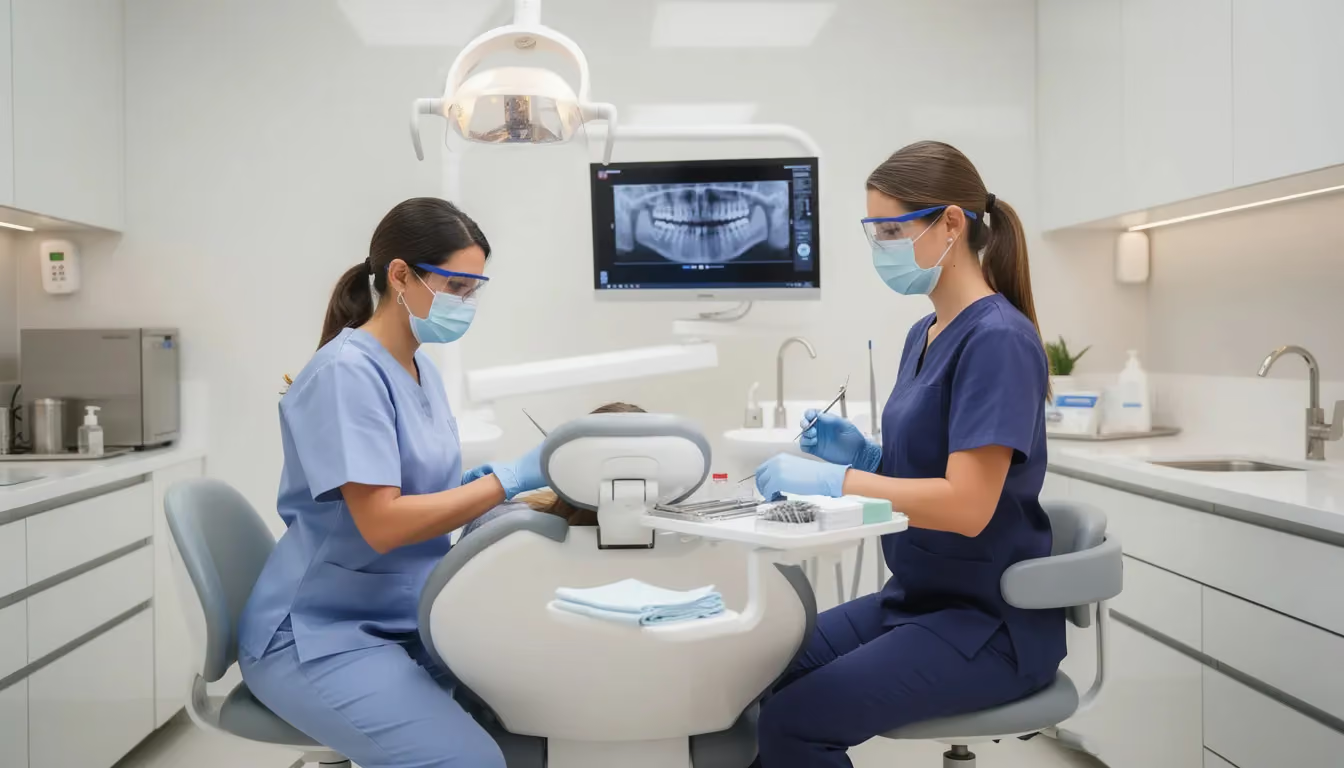
Dental support organizations, or DSOs, have changed how many dentists think about their careers. These organizations handle the business side of running a practice, separating clinical work from operations like billing, HR, marketing and purchasing.
Typical compensation models in DSOs and large groups include:
- Base salary plus production or collections bonus
- Benefits like health insurance, CE stipends and sometimes loan repayment
- Equity or stock options in larger organizations
Here’s what DSO employment generally looks like:
- Average earnings: $180,000 to $230,000 including bonuses
- Pros: predictable schedules, weekends off in many cases, less administrative burden, built in patient flow
- Cons: less control over clinical protocols, scheduling and staffing decisions
Flexible staffing and temp work models are also changing the industry. Some dentists pick up extra days at DSOs or group practices to supplement their main income. Hygienists and assistants are choosing per-diem or flexible shifts to maximize earnings and control over their schedules.
Kwikly is a nationwide staffing platform for dental hygienists and dental assistants. We partner with major DSOs like Heartland Dental and Smile Brands, helping them keep chairs full across multiple locations. When staffing runs smoothly, dentist productivity stays high and revenue remains consistent. Our technology makes it easy for offices to request coverage and for professionals to claim shifts that work for them.
Job Satisfaction and Work-Life Balance for Dentists
Dentists consistently report high levels of job satisfaction, and it’s easy to see why. The ability to make a real difference in patients’ oral health and overall well-being is a major motivator, according to surveys by the American Dental Association. Many dentists appreciate the autonomy that comes with private practice, allowing them to set their own schedules, choose their patient base, and shape the culture of their dental practices. There’s also the satisfaction of seeing tangible results—restoring smiles, eliminating pain, and helping patients maintain good oral health.
However, the path isn’t without its challenges. Demanding patient schedules, administrative responsibilities, and the need to keep up with new dental techniques can make work-life balance tricky. Dentists often juggle clinical care with paperwork, staff management, and ongoing education. The key to maintaining balance lies in efficient practice management and building a strong support team. Hiring skilled dental hygienists and dental assistants allows dentists to focus on high-value clinical work and patient care, while delegating routine tasks. Prioritizing personal time, setting boundaries, and investing in self-care are also essential strategies for long-term satisfaction and sustainability in the dental field.
Public Health and Community Service: Non-Traditional Dentist Roles
Not every dentist follows the traditional path of private practice. Many find rewarding careers in public health and community service, where they can make a broader impact on oral health. Dental public health specialists, for example, work to prevent and control dental diseases at the community level. They design and implement programs, conduct research, and help shape policies that improve access to dental care for underserved populations. These roles are often found in government agencies, non-profits, and academic settings.
Other non-traditional paths include becoming an oral and maxillofacial surgeon, where maxillofacial surgeons operate to treat complex diseases, injuries, and defects of the mouth, teeth, and jaw. Oral pathologists play a crucial role by diagnosing conditions affecting oral tissues, while oral and maxillofacial radiologists diagnose diseases using advanced imaging. These dental specialists contribute to the dental field in unique ways, often finding fulfillment in helping patients with challenging conditions and advancing oral health on a larger scale. For dentists seeking variety, professional growth, and the chance to perform surgeries or shape public health, these roles offer meaningful alternatives to traditional practice.
Business and Practice Management: How Ownership Affects Income
For many dentists, owning a practice is the ultimate goal—and it can have a significant impact on your earning potential. According to labor statistics, dentists who own their own practice typically enjoy a higher average general dentist salary compared to those working as associates in established dental practices. This is especially true for those who expand their range of dental services, such as offering cosmetic dentistry, orthodontics, or pediatric dentistry, which can attract a broader patient base and increase revenue.
However, practice ownership comes with its own set of challenges. Managing a dental practice means taking on responsibilities like hiring and training staff, marketing your services, handling finances, and ensuring compliance with regulations. Successful business and practice management not only boosts your dentist salary but also leads to higher patient satisfaction and better oral health outcomes. Efficient collaboration with dental labs and medical appliance technicians helps reduce turnaround time and improve overall patient satisfaction. Dentists who master these skills can build thriving dental practices that deliver quality care and financial rewards, making ownership a compelling option for those ready to take on the challenge.
Continuing Education and Professional Development: Investing in Your Dental Career
Staying at the forefront of dental medicine is essential for any dentist who wants to provide top-tier dental care and remain competitive. Continuing education is more than just a requirement—it’s an investment in your career. The American Dental Association and other professional organizations offer a wealth of courses covering everything from general dentistry to advanced topics like oral and maxillofacial surgery and dental public health.
By keeping up with the latest advancements in dental care, technology, and treatment techniques, dentists can expand their service offerings, improve patient care, and enhance treatment outcomes. This commitment to professional development not only benefits patients but also increases a dentist’s earning potential and job satisfaction. Whether you’re interested in mastering new procedures, exploring oral and maxillofacial surgery, or deepening your expertise in general dentistry, ongoing education ensures you’re prepared to meet evolving patient needs and maintain a thriving practice in a dynamic field.
Is Dental School Worth It? Salary vs. Cost of Education
Going to dental school requires a big financial and time commitment. If you’re wondering if the dentist salary is worth it, it’s important to evaluate whether attending dental school is a worthwhile investment by considering tuition costs, potential earnings, and long-term career benefits. Here’s what the numbers actually look like.
Costs for dental students entering school in 2024:
- Average first year tuition: around $40,000 to $80,000, depending on public vs. private school and residency status
- Total four year tuition: approximately $260,000 to $330,000 before living expenses
- The average cost of dental school for all four years is approximately $259,990 for residents and $325,891 for non-residents.
- Total investment estimate including tuition, fees, and lost income during school: around $500,000 to $600,000
- Dentists can expect to invest an average of $570,000 into their training, including student loans and lost income potential.
Here’s a realistic payback scenario. A new dentist starts around $125,000 to $140,000. Income typically rises towards $180,000 to $200,000 by years five through eight. Most dentists will make back their educational investment in about 8 years after graduation. Depending on lifestyle choices, loan repayment strategy and geographic location, many dentists can break even on their educational investment within roughly seven to ten years after graduation.
Key financial considerations:
- Total student debt vs. expected income growth trajectory
- Interest rates and repayment plan options (PAYE, REPAYE, PSLF for public service)
- Do you plan to own a practice (higher upside but more risk)
- Geographic choices that can dramatically improve ROI, such as practicing in underserved areas with signing bonuses and loan repayment programs
To become a dentist, most dental schools require applicants to have a bachelor's degree, often in a science field, and to have completed certain science courses such as biology and chemistry. Attending dental school at an accredited dental program (such as a DMD or DDS program) is required to obtain licensure and practice legally. After graduating, candidates must pass both written and clinical exams, including clinical exams, to become licensed dentists.
Job prospects for dentists remain strong. Overall employment of dentists is projected to grow 4 percent from 2024 to 2034, about as fast as the average for all occupations. Experts predict a 19% growth in the number of dental jobs nationwide between 2016 and 2026, and the United States Bureau of Labor Statistics projects an 8% increase in employment for dentists from 2020 to 2030. The demand for dental services is increasing due to a growing population and a population that requires more dental care. Teledentistry is also becoming increasingly important for managing patient care, particularly during pandemics and for patients in remote areas.
Beyond the numbers, many dentists value job stability, autonomy, patient relationships, and control over their schedules. These factors matter when deciding if a dental career fits your goals.
Dentists supported by strong teams, including hygienists and assistant staffed through services like Kwikly, can focus more on high-value clinical work. This improves both long-term income and day-to-day job satisfaction.
How to Increase Your Earning Potential as a Dentist
While average salary numbers give you a benchmark, individual dentists have real control over their earning trajectory. Here are practical strategies that move the needle.
- Choose a high-demand location: States with dentist shortages or underserved rural communities often offer higher base pay, signing bonuses, and loan repayment incentives.
- Negotiate production or collections percentages: When joining a practice or DSO, the split you negotiate directly affects your take home pay. Even a few percentage points add up over a career.
- Add profitable services: Implants, clear aligners, cosmetic dentistry, and sedation all command higher reimbursement. Many general dentists incorporate these without completing a full specialty residency.
- Improve case acceptance: Strong communication and patient education skills help patients say yes to treatment. Higher case acceptance means more completed procedures and more revenue.
- Manage overhead if you own a practice: Rent, supplies, and staffing efficiency all eat into profit. Controlling these costs directly increases what you take home.
- Build a reliable hygiene and assistant team: When your team is consistent, production stays steady. Using on-demand staffing like Kwikly when you need coverage helps avoid cancellations and keeps revenue flowing.Tracking your key performance indicators helps you see where to focus. Daily production, collection percentage, hygiene reappointment rates, and no-show rates all show you where to make the biggest impact.
Salary growth comes from a mix of clinical skill, business awareness, and smart staffing decisions. Working more hours isn’t the only way forward.
Average Dentist Salary & Next Steps
The national average dentist salary for general dentists in 2025 is $180,000 to $200,000. Entry level is $120,000 to $135,000 and specialists and practice owners often earn over $250,000. Your actual income depends on where you practice, what you specialize in, how long you’ve been doing it and what type of practice setting you choose.
Here’s what to remember:
- Geography, specialty and practice setting are the main drivers of dentist pay
- A strong support team of hygienists and assistants directly impacts daily production and income
- Student debt is real but most dentists can break even within seven to ten years
- DSOs and flexible work models offer different tradeoffs between income stability and upside potential
- Reliable staffing partners like Kwikly help offices keep schedules full and protect revenue
Whether you’re just starting your dental career or growing an established practice, knowing these salary benchmarks helps you make better decisions. And for offices focused on keeping production high and schedules running smoothly, having a reliable source of vetted hygienists and assistants makes a big difference.
Kwikly works with dental organizations and professionals across the country who want more flexibility and reliability in staffing. When your team is covered, you can focus on what matters most: delivering great dental care and building a career that works for you.