Table of contents
Get Started with Kwikly
Get the latest updates, insights, and exclusive content delivered straight to your inbox.
Online Dental Assistant Programs
Introduction to Dental Assistants
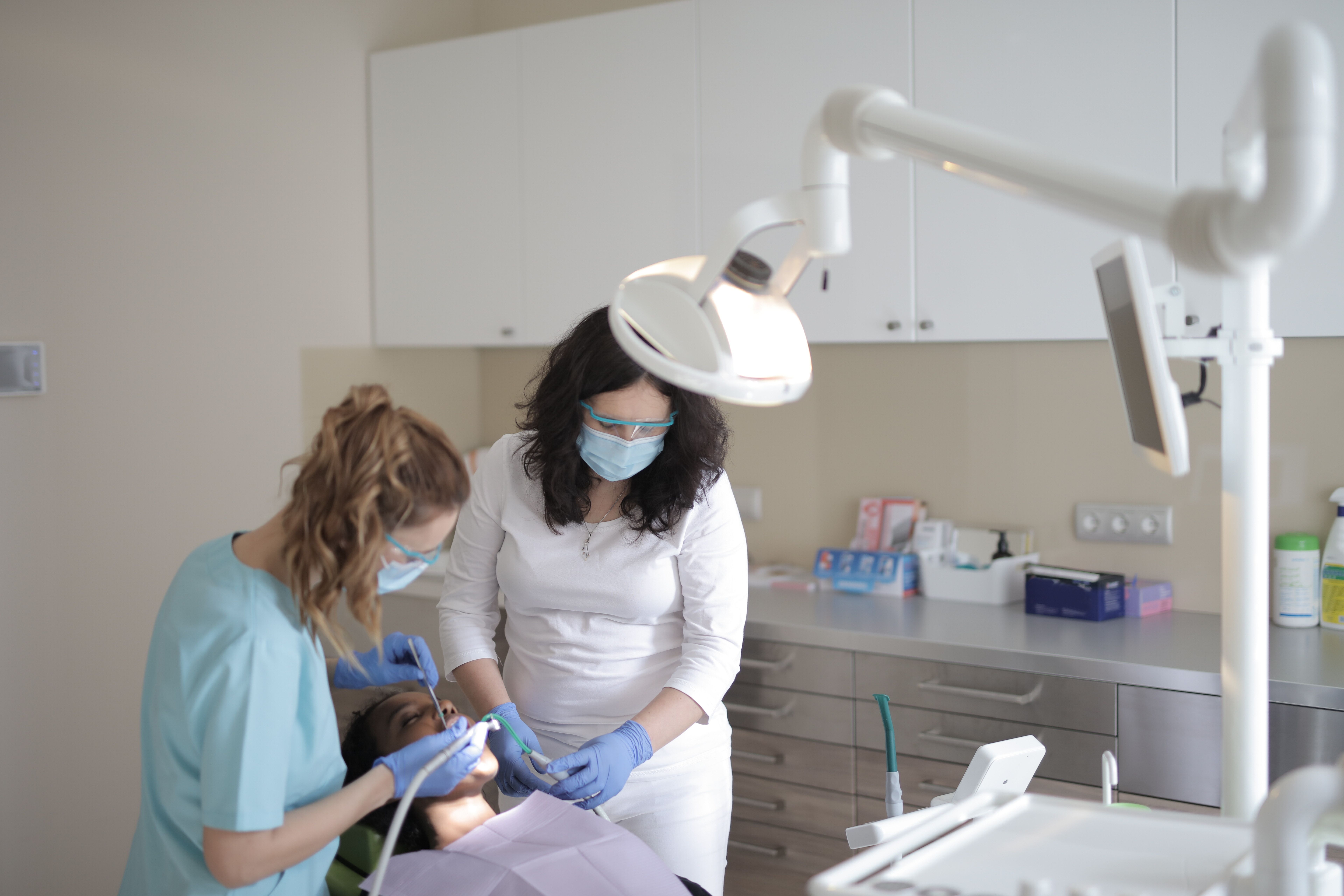
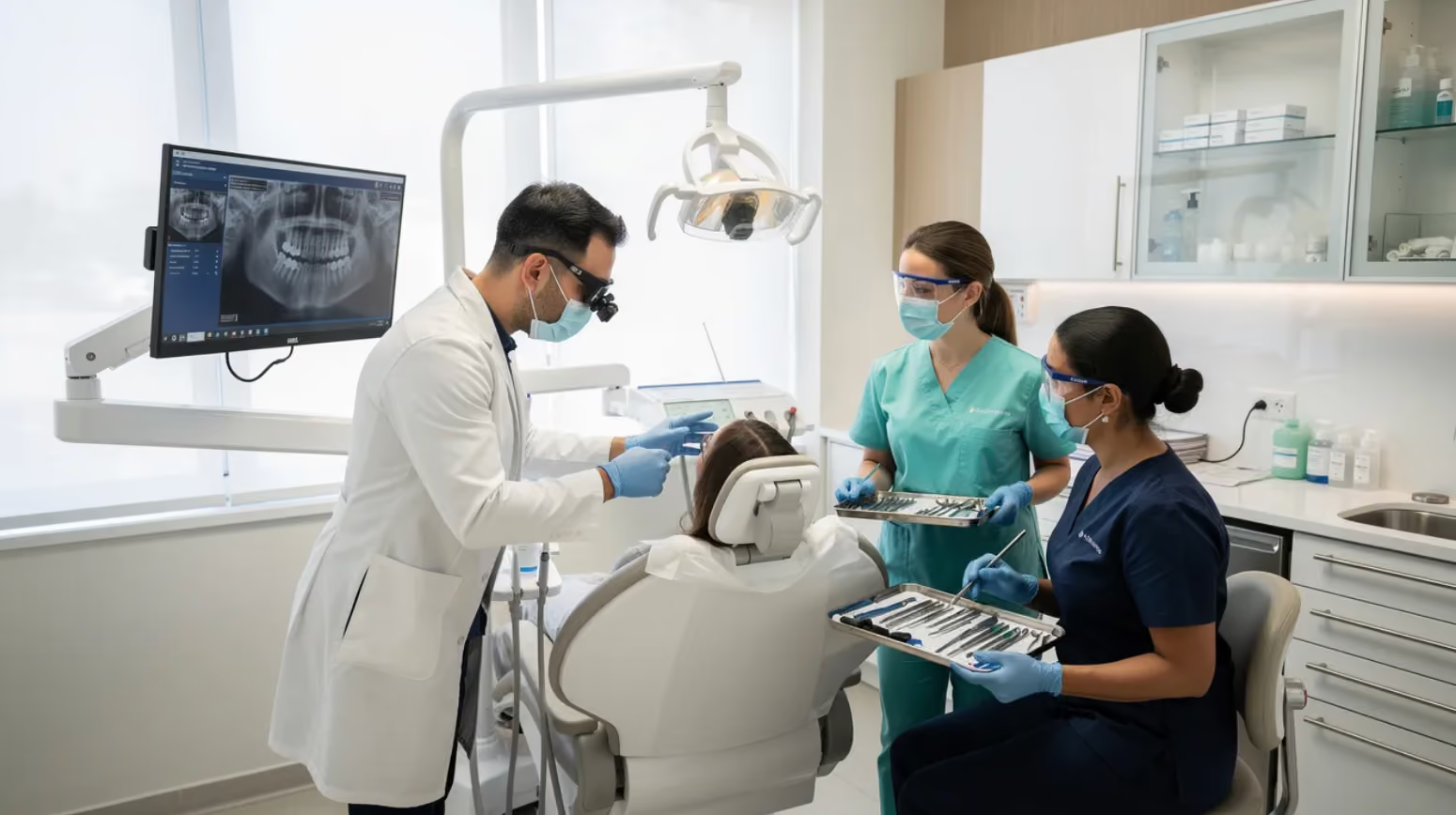
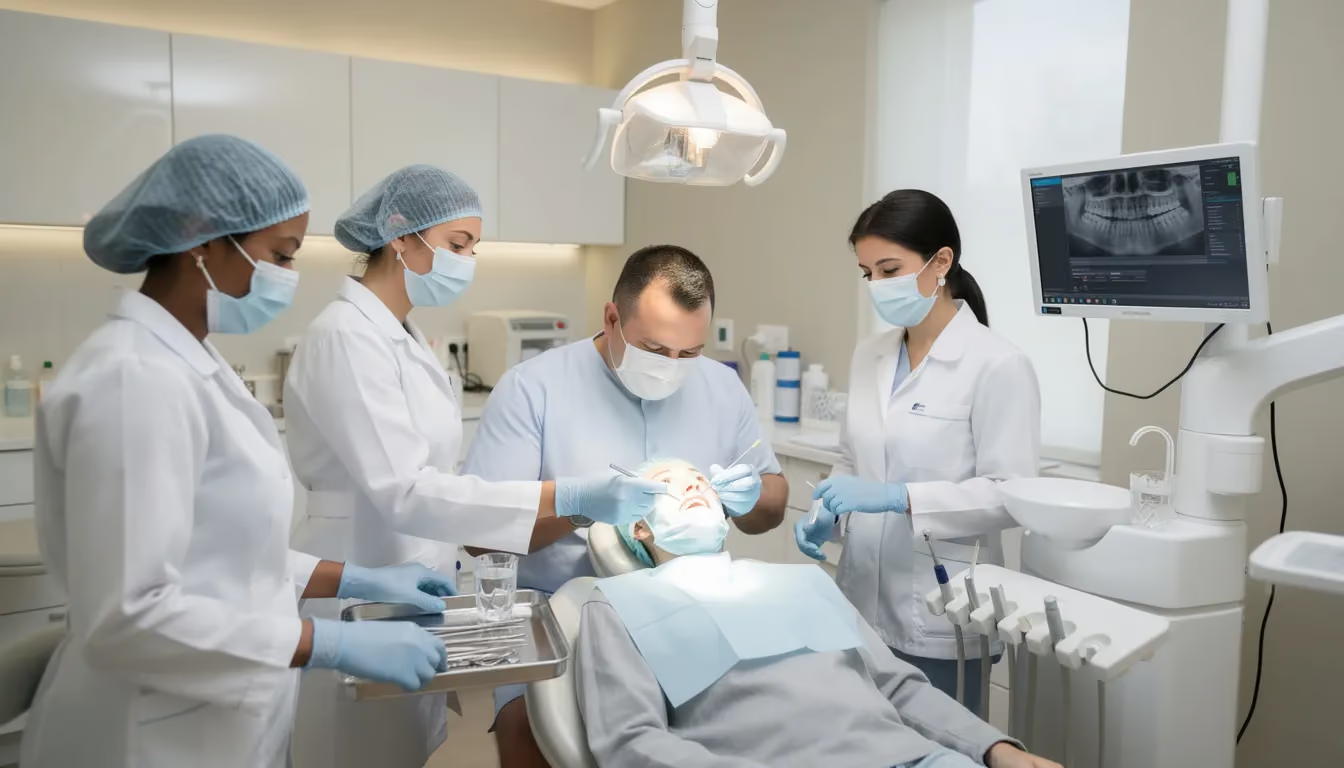
You know how some careers just seem to fit? Dental assisting might be one of those for you. If you like helping people and want a job that's part hands-on patient care, part keeping things organized, this could be your thing. You'll get to work chair-side during procedures or handle the office side of things. It's a mix that keeps things interesting.
Here's what you need to know about getting certified. You'll complete a dental assistant training program, then take the Dental Assisting National Board (DANB) certification exam. Don't worry, it's straightforward. The exam covers three main areas: Radiation Health and Safety, Infection Control, and General Chairside. Sounds fancy, but it's really about making sure you can handle radiographs properly, keep everything clean and safe, prep patients for their appointments, and sterilize tools. On the office side, you'll be greeting patients, collecting their info, scheduling appointments, and keeping records organized. Basic stuff that keeps everything running smoothly.
The job outlook? Pretty solid. The Bureau of Labor Statistics says employment will grow by 11% through 2030. Most dental assistants work full-time, though you can find part-time spots if that's more your speed. You're looking at an average salary of over $40,000 per year. Hours are usually during the day, but some offices do evenings or weekends if you prefer that. All you need to get started is a high school diploma or equivalent. That's it.
Online programs are making this career more accessible than ever. Schools like Penn Foster offer accredited programs that prep you for the Certified Dental Assistant (CDA) exam and teach you everything you need for clinical work or office admin roles. You'll cover radiation safety, infection control, lab materials, pediatric dentistry, and preventative care. Plus, you'll learn about patient prep, processing radiographs, and why good dental health matters so much. Research keeps showing how connected oral health is to everything else.
Once you finish your program, you're ready to take those Dental Assisting National Board examinations and start looking for entry-level positions. You can work in general dentistry, specialty practices, or focus on the administrative side, whatever fits your style. Some people use this as a stepping stone to become registered dental assistants or registered dental hygienists. There's room to grow if you want it.
The dental field keeps changing with new technology and procedures. That makes this work exciting if you're into patient care and staying current. As more people focus on preventive care, dental assistants will remain essential. You'll be part of making sure patients get great care and offices run as they should. Bottom line: dental assistants matter. Get your training, earn your certification, and you'll have a solid career in a field that's growing. It's work where what you do actually makes a difference.
Answering your top questions about online dental assistant programs
Thinking about becoming a dental assistant, but can't sit in a traditional classroom all day? An online dental assistant program might be exactly what you're looking for. These programs give you all the training you need to start working in a dental office, covering everything from chairside procedures and infection control to patient communication and office management. Most people can wrap up their coursework in 6 to 12 months, depending on how many hours they can put in each week.
Online programs are perfect if you're juggling a job, family, or other stuff that keeps you busy. You study when it works for you, move through the material at whatever pace feels right, and get ready for the same certification exams that campus students take. The big difference? You get flexibility. You can start building a new career without putting your whole life on pause.
Here's something that might interest you: according to the Bureau of Labor Statistics, dental assistants earned a median salary of about $44,710 per year in 2023, and job growth is projected at around 7% through 2032. That's faster than average growth, and it's happening because more people want preventive dental care, and there's an aging population that needs more dental work.
Here is a quick comparison of online versus campus-based programs:
One thing to keep in mind is that dental assistant training is hands-on work. Most online programs pair their coursework with an in-person externship or expect you to gain clinical experience through an entry-level job. You will learn the theory online, but you still need to practice preparing patients, handling dental tools, and assisting with treatment procedures in a real dental office.
The sections ahead cover what to expect from the curriculum and exam prep, how much programs cost, and how to choose the right one for your goals. We will also look at how platforms like Kwikly help new dental assistants build real-world experience and find shifts that fit their schedule.
Dental Assistants Work and Career Outlook for 2024 and Beyond
The job outlook for dental assistants remains strong heading into 2024 and beyond. An aging population, greater focus on preventive services, and ongoing research linking good dental health to overall wellness are driving demand for qualified support staff in dental practices nationwide. If you are considering this field, the numbers are encouraging.
Key statistics from recent labor data:
- The United States Department of Labor reported approximately 330,600 dental assistant jobs in 2023
- Projected national growth rate of 7% through 2032, faster than most occupations
- Most dental assistants work full-time, though part-time positions are common in smaller practices
- Employment is concentrated in general dentistry offices, but specialty practices in areas like pediatric dentistry and orthodontics also hire regularly
Salaries vary depending on where you work. Dental assistants in general dental offices typically earn around the median, while those in government settings or specialty practices often see higher pay. Urban areas and regions with staffing shortages tend to offer better compensation. According to the Occupational Outlook Handbook, geographic location can make a noticeable difference in your average salary.
Online dental assistant programs can help you enter this growing market faster. Because you study on your own schedule, you can complete coursework while still working another job. That means less financial disruption and a quicker path to starting your dental career.
Large dental service organizations and multi-location practices, in particular, value well-trained and reliable dental assistants. These groups depend on consistent staffing to keep patient care running smoothly. When you combine solid training with professionalism and flexibility, you become exactly the kind of candidate these employers look for.
What to expect from Online Dental Assistant Training and Courses
Most reputable online dental assistant programs combine self-paced coursework with virtual simulations and some form of clinical experience. You work through lessons on your own time, then apply what you learned in a real dental setting where clinical dental assistants work with patients and dental teams every day.
Program length varies based on how the curriculum is structured and how much time you can dedicate each week:
Course delivery usually happens through mobile-friendly platforms. You can access lessons from a laptop, tablet, or phone. Most programs include video demonstrations showing proper techniques for tasks like processing quality radiographs, handling laboratory materials, and setting up for amalgam restorations and composite procedures. Interactive quizzes help reinforce learning, and digital textbooks in English cover everything from dental anatomy to office administration.
These programs follow U.S. standards and prepare you for roles in American dental practices. That means you will learn Imperial measurements, federal OSHA and CDC guidelines, and terminology that matches what you will encounter on the job.
While the theory is online, you still need hands-on practice. Some programs arrange externships with local dental offices. Others provide guidance on finding a practice willing to supervise you. Many students gain their chairside experience through entry-level jobs after finishing coursework. Either way, combining online education with real clinical experience is what makes you job-ready.
Typical online dental assistant curriculum
The curriculum in most online dental assistant programs builds from foundational sciences toward clinical procedures and office administration. You start with the basics and gradually work up to more complex skills that prepare you for the certification exam and day-to-day work in a dental practice.
Core subject areas typically include dental anatomy and terminology, where you learn the structure of teeth, gums, and surrounding tissues. Infection control receives significant attention because proper sterilization and safety protocols protect both patients and staff. You will study OSHA and CDC guidelines that govern how dental offices handle hazardous materials and prevent cross-contamination.
Radiography theory and radiation health and safety form another major component. Programs teach you how dental imaging works, how to position patients correctly, and how to minimize radiation exposure. Many courses include virtual simulations so you can practice before working with actual equipment.
Dental materials science covers the products used in treatment procedures, from impression compounds to temporary filling materials. Patient charting teaches you how to document findings accurately, often using computerized clinical dental records that most modern offices rely on. You will also learn basic chairside skills like instrument identification, proper suction technique, and supporting the dentist during restorative work.
Patient communication gets its own focus. Courses address how to work with anxious or exceptional patients, handle pediatric dentistry cases with extra care, and demonstrate cultural sensitivity. Ethics modules cover topics like patient confidentiality and professional boundaries.
Administrative topics round out the curriculum. You learn about scheduling appointments, treatment coordination, insurance verification, and dental office administration basics. Many programs introduce you to practice management software and electronic health records so you understand how information flows in a modern dental office.
Modern programs often include practice tests aligned with national certification exams, video-based procedure demonstrations, and virtual radiography exercises. These tools help bridge the gap between online learning and the hands-on skills you will need on the job.
Certified Dental Assistant (CDA) Exam and Licensing
National certification through the Dental Assisting National Board is optional in some states but can significantly improve your job prospects and pay. Earning your credential signals to employers that you have met a recognized standard of competency, which matters when you are competing for positions at busy practices or large organizations.
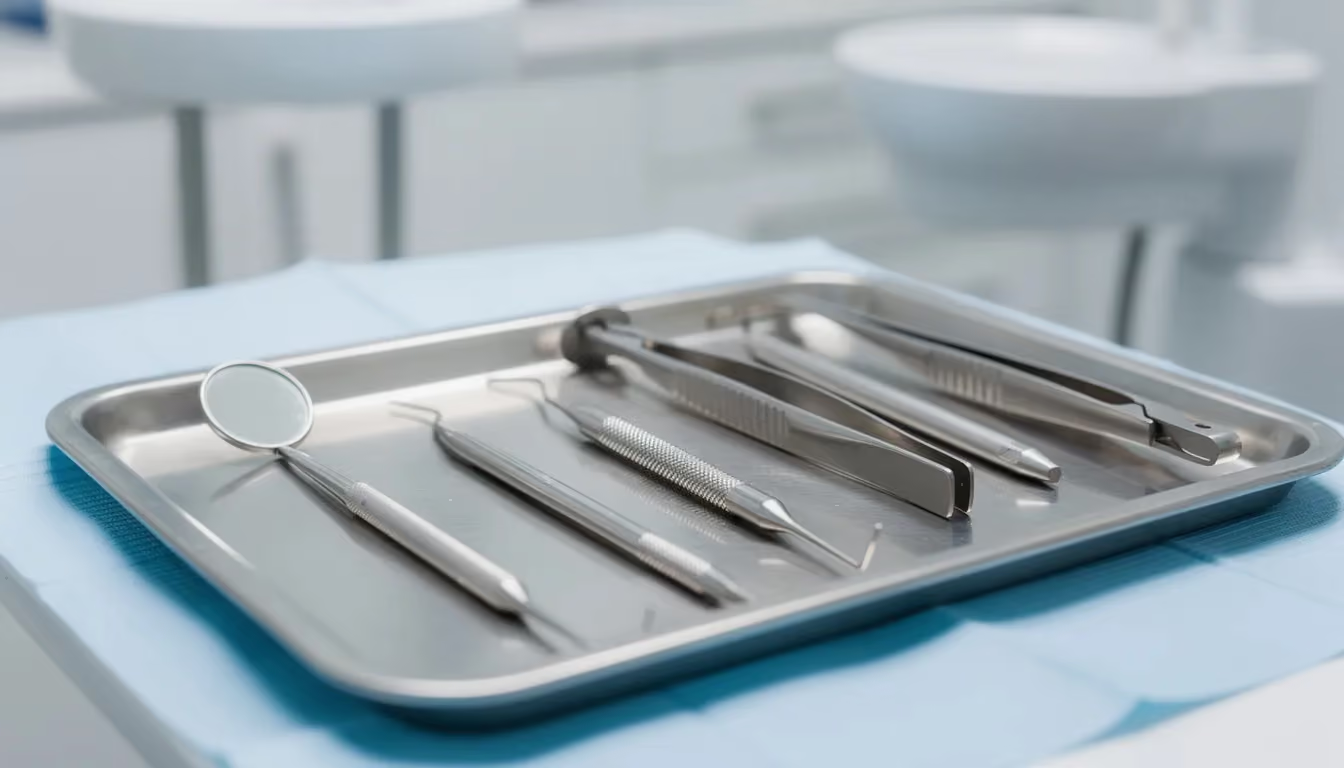
The Certified Dental Assistant credential, often written as certified dental assistant CDA, consists of three exam components:
You can knock out these exams one at a time or all together - it's up to you. Most people go for the health and safety RHS and infection control portions first because they line up well with what you're learning early on. Over 35,000 dental professionals already have their CDA credential, so you'll be in good company.
There are a couple of ways you can qualify for the dental assistant CDA exam. Maybe you went through an accredited dental assistant program and got your required clinical hours. Or maybe you've been working in the field and racked up at least 3,500 hours over roughly two years. The exact requirements depend on what DANB says right now, so check their website before you dive into studying.
A lot of online dental assistant courses are built around the DANB content outline. Some throw in exam prep modules, timed practice tests, and even vouchers that cover your exam fees. Before you sign up, make sure you know exactly what you're getting so there aren't any surprise costs later.
Here's something important to keep in mind - state-specific credentials might need more than what a general online program gives you. Some states want you to take approved courses for radiography, expanded functions like coronal polishing or pit and fissure sealants, or separate licensing exams. Take California, for example. They require board-approved courses in multiple areas and have strict hour requirements before you can work as a registered dental assistant. Do your homework on your state's rules early so you pick a program that actually meets what you need locally.
Clinical Dental Assistants vs Administrative Dental Assistants
Online programs can get you ready for both clinical and administrative paths in the dental field. A lot of entry-level positions mix both, especially in smaller practices where everyone does a little bit of everything. Understanding the difference helps you figure out which direction feels right for you.
Clinical dental assistant jobs involve working directly with patients and dentists during procedures. Here’s what they typically handle:
- Setting up operatories with instruments and materials
- Greeting patients and getting them seated in the treatment chair
- Helping out chairside during restorative and preventive procedures
- Sterilizing instruments and keeping infection control on point
- Taking and processing quality radiographs
- Recording vital signs and updating patient charts
- Supporting the dentist through everything from routine cleanings to complex restorations
In clinical dental assistant jobs, professionals are part of the dental care team, working alongside dental hygienists and other support staff. You need solid technical skills, attention to detail, and the ability to keep patients calm during treatment.
An administrative dental assistant focuses on the business side of running a dental office. Their duties typically include:
- Greeting patients when they walk in
- Collecting patient information and checking insurance coverage
- Scheduling appointments and managing recalls
- Answering phones and handling patient questions
- Organizing office records and managing medical forms
- Taking care of the office’s administrative tasks like billing and correspondence
Administrative dental assistant focuses on managing the office's administrative tasks, such as greeting patients and organizing records, which sets this role apart from clinical dental assistants. Administrative dental assistants focus on office tasks such as greeting patients and organizing records.
Many dental assistants, especially when they’re just starting out, handle both clinical and administrative duties. A small general dentistry practice might need someone who can assist during a filling, then help with scheduling appointments between procedures.
An online dental assistant program gives you a taste of both areas. You can explore clinical dental assistant jobs or administrative roles, then specialize later through on-the-job training or continuing education. Some assistants eventually go for registered dental hygienist credentials or move into practice management, using their broad foundation as a stepping stone.

Program length, schedule, and hands-on experience
Most students complete an online dental assistant program in 6 to 9 months, though actual timelines depend on how many hours you put in each week. Self-paced programs let you move faster if you have more time or stretch things out if life gets busy.
Typical weekly commitments look something like this:
Many students combine their coursework with part-time jobs or family responsibilities. The flexibility to study evenings, weekends, or during lunch breaks makes online programs practical for people who cannot commit to fixed class schedules.
There is an important distinction between coursework time and time spent gaining hands-on skills. Finishing your online modules is one step. Building real chairside experience through externships, internships, or entry-level positions is another. Both matter for your career.
Some programs formally arrange externships by partnering with local dental offices in your area. Others provide guidance and resources to help you find a practice willing to supervise you. A third path involves completing coursework first, then gaining experience through an entry-level position where you learn clinical skills on the job.
Employers and staffing platforms value candidates who combine online education with real-world experience. Showing up with strong theoretical knowledge is a good start, but demonstrating that you can handle actual patient care, proper dental hygiene protocols, and the pace of a busy practice makes you stand out. Professionalism, reliability, and a willingness to learn count for a lot when you are building your reputation in this field.
Online dental assistant program costs and payment options
Tuition for online dental assistant programs typically ranges from about $1,000 to $3,000 for certificate and diploma options in 2024. That is generally lower than traditional campus-based programs, partly because you are not paying for physical classroom space or commuting.
Here is a breakdown of common cost components:
Payment options change depending on which program you're looking at. A lot of schools will cut you a deal if you pay your tuition all at once upfront. If that's not in the cards for you, monthly payment plans let you spread things out over 6 to 18 months so you're not stuck with one huge bill. Your employer might even help out with tuition if you're going for dental assistant training - it's worth asking around. When you're dealing with bigger programs, you can usually get financing either through the school itself or third-party lenders.
Before you sign up for anything, look for those tuition calculators that'll show you what you're actually going to pay based on your payment plan and any extra fees that might pop up. This way you can budget properly and avoid any nasty surprises down the road.
You'll also want to think about what you're getting back from this investment. Take your total program cost and compare it to what you could be making in your first year. Say you spend $2,500 on training and you're pulling in $40,000 in your first year as a dental assistant - that's money well spent. Check out local salary ranges using stuff like the labor occupational outlook handbook so you know what to realistically expect in your area.
How to choose the right online dental assistant program
Picking the right program isn't just about finding the cheapest option. The quality of what you're learning, whether it lines up with national board exams, and what kind of support you'll get - those things matter way more for where your career ends up going. Take your time to do your homework before you commit to anything.
Start by checking if the program is accredited or recognized. Programs that are accredited by the Commission on Dental Accreditation or recognized by organizations like DEAC actually meet real standards for what they teach and how they teach it. Plus, accreditation affects whether you can take certain national certification exams, and some states might require it.
Key selection criteria to evaluate:
Student support services deserve special attention. Can you reach an instructor when you have questions? Is there technical support if the platform has issues? Do they offer employment strategies help, resume reviews, or interview coaching? These resources can make a real difference, especially if you are new to the dental field.
Check graduate reviews and completion rates. How many students finish within the advertised timeframe? What do alumni say about job placement after completing the program? A program that looks good on paper but has poor outcomes is not worth your money.
Finally, verify whether the program meets your state’s specific requirements. Some states require approved courses for radiography, practicing clinical hygiene procedures, or expanded functions. Make sure the program you choose sets you up to work legally and confidently in your area.
How Kwikly helps online-trained dental assistants build real-world experience
Kwikly is a leading dental staffing platform in the United States that connects dental professionals with offices needing coverage. For dental assistants who complete online training, Kwikly offers a practical way to build experience and start earning while you figure out your long-term career path.
Here is how newly trained assistants can use Kwikly:
- Pick up temp shifts once you meet your state’s requirements, gaining exposure to different dental office procedures and team dynamics
- Build a variety of experience by working in general dentistry, specialty practices, and multi-location offices
- Explore different types of practices before committing to a permanent position
- Test your skills in real-world settings and identify areas where you want to grow
The benefits for professionals are straightforward. You control your schedule and decide when you want to work. Whether you are looking for full-time temping or just picking up a few shifts each month to supplement income, the platform adapts to your needs. Same-day pay through Kwikly Wallet means you do not have to wait weeks to get paid after completing approved shifts.
Kwikly works with major dental service organizations and independent offices across the country. That includes large markets like New York, Los Angeles, Chicago, Dallas, Houston, Miami, Atlanta, Phoenix, Seattle, and Minneapolis. Wherever you are, you can likely find shift opportunities close to home.
Every professional goes through a vetting and virtual interview process before accessing shifts. That screening means offices trust who they are getting, and it gives you credibility as someone new to the field. Kwikly also provides live support, so you have a team behind you as you build your experience and confidence.

Why dental offices and DSOs value well-trained online graduates and Kwikly
If you're running a dental practice, chances are you've noticed something about online-trained assistants. Maybe they're the ones who show up ready to work, maybe they're the ones asking smart questions, or maybe you're just impressed by how they handle themselves in your busy office. We work with dental practices that appreciate assistants who've got that initiative, solid knowledge, and genuine desire to keep learning on the job.
Here's the thing about completing a dental assistant course on your own time - it shows you've got what it takes. Self-discipline, motivation, the drive to make things happen. Those aren't just nice-to-have qualities when you're dealing with packed schedules and patients who need your full attention. They're exactly what make the difference in a clinical environment.
Now, if you're running a dental service organization or managing multiple locations, you know the staffing challenges are real. You've got to keep those schedules full across all your offices, handle it when someone calls in sick last minute, and make sure every patient gets the same quality care no matter which location they visit. That's where modern staffing platforms like Kwikly come in - we're here to help you solve these problems without all the stress.
Kwikly offers several advantages for dental offices:
If you're running multiple DSO locations, you know how tough it can be to keep everyone staffed. That's where Kwikly comes in with features that actually work for you. You can coordinate coverage across all your offices from one spot - no more juggling different platforms. Your shifts get filled faster because you get priority access to the best professionals. Plus, you'll see exactly what's happening with advanced reporting, so you can spot trends before they mess with your operations. And here's the thing - billing's way simpler when you've got flexible options across all your locations.
Here's what we promise: every shift comes with a satisfaction guarantee. When you book with Kwikly, you're getting professionals who show up on time, look professional, and know how to jump right into both clinical and administrative work. When one of our dental staff walks through your door, you know they're ready to help from the first patient.
From online program enrollment to your first shift
Getting from choosing a dental assistant program to working your first shift? It's easier than you think. Here's how it works:
- Look into online programs that meet your state's requirements and line up with DANB exam content
- Do your coursework at whatever pace works for you, learning clinical procedures, infection control, and office administration
- Get some real experience through an externship, internship, or entry-level job
- Go for certification if you want it by taking the national certification exams
- Start working - either in a permanent spot or by picking up flexible shifts through a staffing platform
This week, you might want to check out three to five programs, talk to an admissions advisor at your favorite one, compare what things cost and how you can pay for them, and make sure the program covers your state's requirements for radiography and any expanded functions you're interested in.
Once you're training or after you're done (depending on what your state allows), you can set up a profile with Kwikly. You'll do a virtual interview and get vetted, then you'll start seeing shift opportunities near you. If you're just finishing up your dental assistant program, this is a pretty low-risk way to get experience in different places while making good money.
Think of online education and flexible staffing platforms like they're meant to go together. They give you a modern, practical way into the dental field. You can try out different workplaces, figure out what kind of practice fits you best, and build your career however fast or slow feels right.

Taking the first step is simpler than it seems. Pick a program that fits your goals, commit to the coursework, and start building real experience as soon as you qualify. The demand for dental assistants is strong, practices need reliable people, and platforms like Kwikly make it easier than ever to turn your training into a career. Whether you want to temp part-time, work full shifts across different offices, or eventually settle into a permanent position, the path starts with choosing the right online program and putting in the work to get job-ready.
Conclusion
Online dental assistant programs offer a practical, flexible path into a career that continues to grow in demand. With self-paced coursework, lower costs than traditional campus programs, and preparation aligned with national certification exams, these programs make it easier than ever to enter the dental field without putting your life on hold. When paired with hands-on experience through externships, entry-level roles, or flexible staffing platforms, online training can fully prepare you for both clinical and administrative responsibilities in a modern dental office.
As dentistry evolves with new technology and an increased focus on preventive care, well-trained dental assistants remain essential to delivering high-quality patient care and keeping practices running smoothly. Whether you are looking to start quickly, explore different types of dental offices, or build a long-term career with room for growth, choosing the right online program is the first step. With the right education, certification, and real-world experience, you can turn your interest in dental assisting into a stable, rewarding profession that truly makes a difference for patients and for your future.