Table of contents
Get Started with Kwikly
Get the latest updates, insights, and exclusive content delivered straight to your inbox.
How to Become a Certified Dental Assistant?
If you’re considering a career in dental assisting, one of the most common paths to advancing in the field is becoming a Certified Dental Assistant (CDA). But what exactly does that mean?
A certified dental assistant is someone who has met specific education or experience requirements and passed the DANB certification exam. This credential is competency-based, meaning it verifies your ability to perform both clinical and administrative tasks at a professional level.
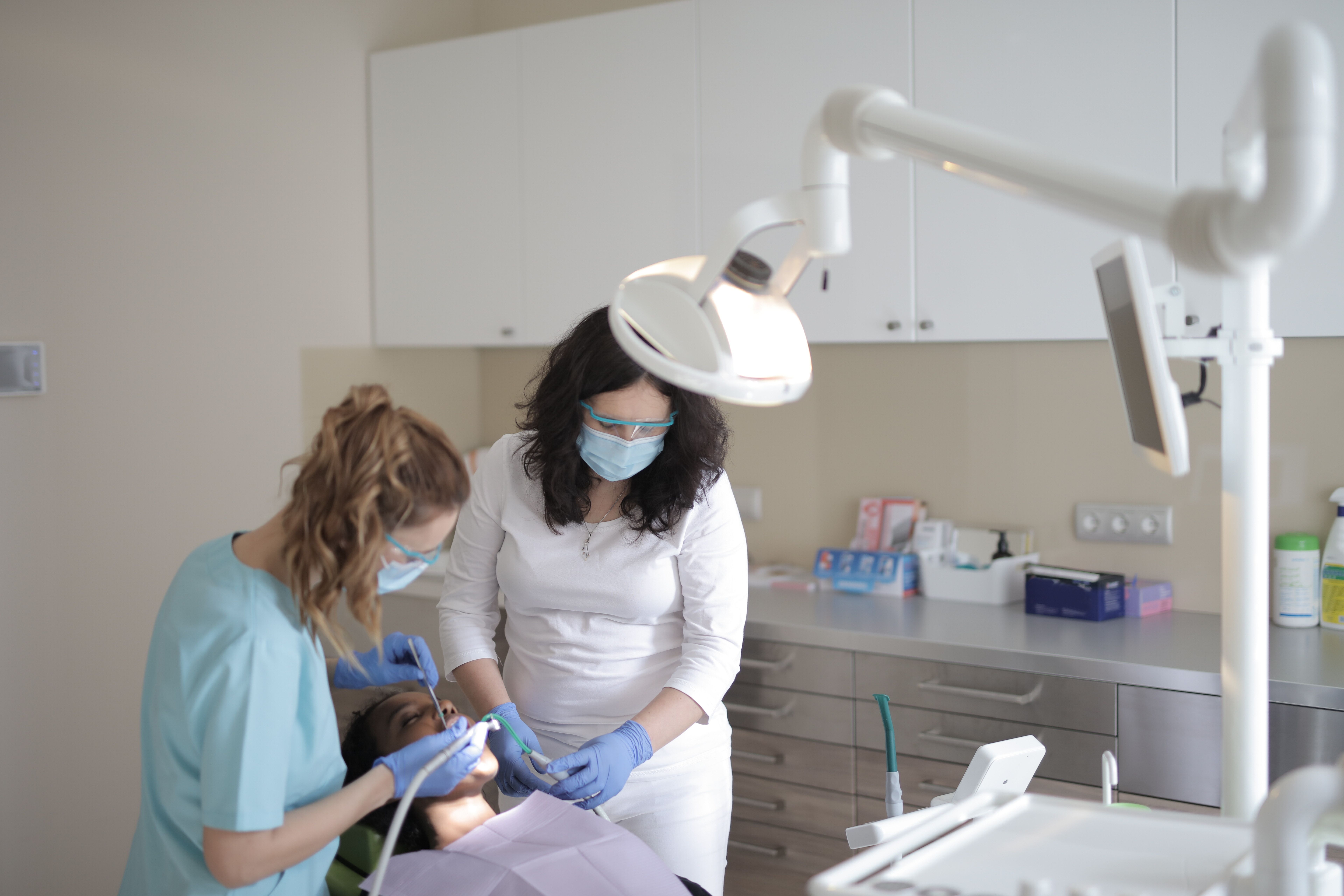
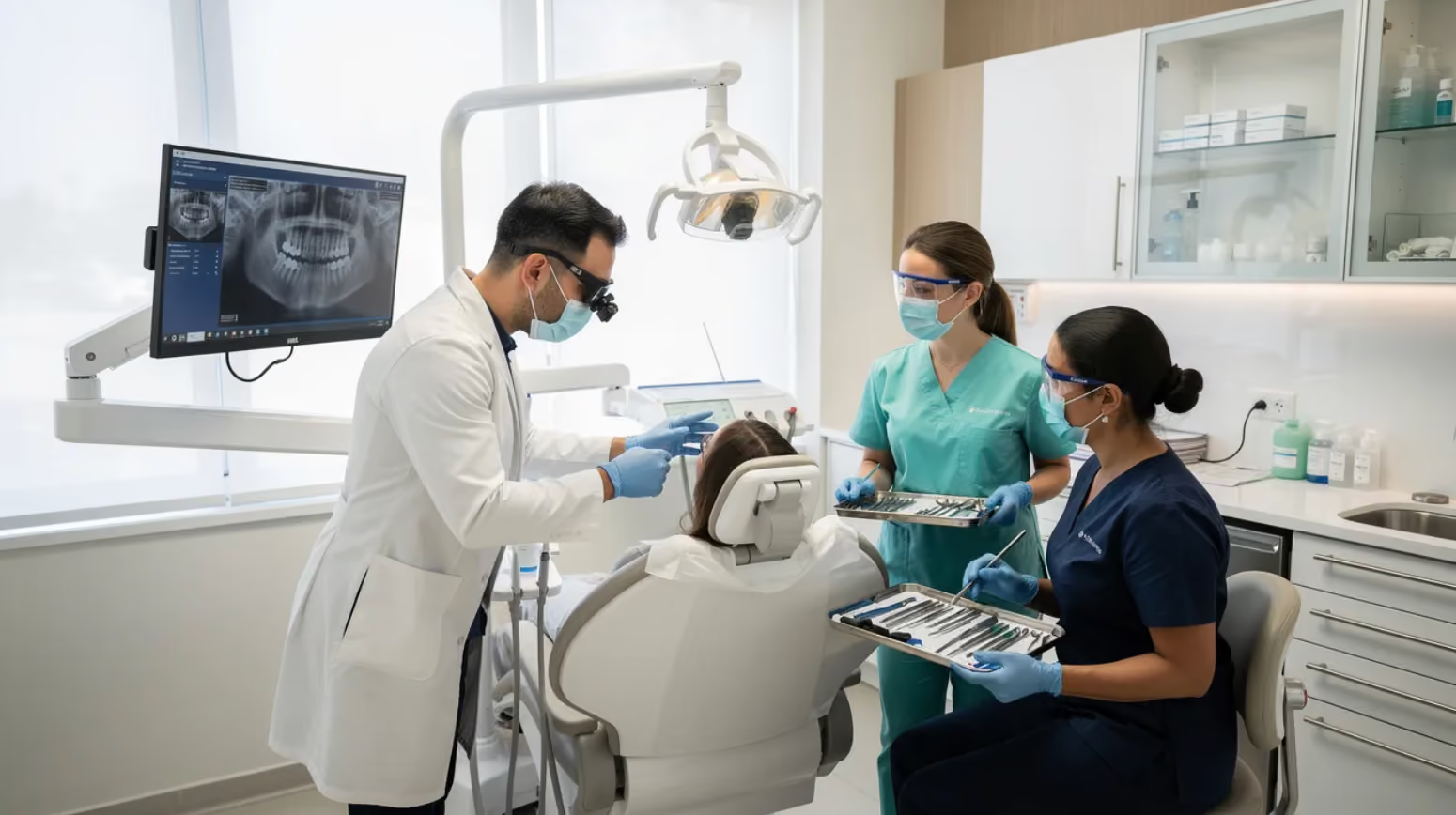
Typical CDA duties include:
- Chair-side assisting during dental procedures
- Taking and processing radiographs following radiation health protocols
- Sterilizing instruments and maintaining infection control standards
- Preparing patients for treatment
- Managing dental equipment and materials
- Instructing patients on oral health and after-care
- Scheduling appointments and supporting administrative tasks
One distinction worth knowing: a registered dental assistant (RDA) typically holds a state-level credential with additional exams, while the CDA is a national certification. Many dental assistants work without formal credentials in states with minimal requirements, but the CDA opens doors to expanded functions and higher pay.
Step 1: Finish High School or Earn a GED
A high school diploma or GED is the minimum requirement for any CDA pathway. DANB requires this for all applicants.
Courses that help: biology, chemistry, algebra, and any health sciences electives. Vocational programs through organizations like HOSA give you hands-on familiarity before you even enter a dental assisting program.
Start building soft skills early, such as patient communication, teamwork, time management, and basic computer literacy. Many accredited programs also require immunizations like the Hepatitis B series and background checks before starting clinical work.
Step 2: Choose Your Education or Experience Pathway
DANB gives you two ways to become eligible for the CDA exam.
Pathway 1 — Accredited Program
Complete a dental assisting program accredited by CODA (Commission on Dental Accreditation). These programs run 9 to 12 months for a certificate or two years for an associate degree, and they're offered at community colleges, technical institutes, and vocational schools.
Standard coursework covers dental anatomy, radiography, infection control, chairside assisting, dental materials, and office procedures. Most include CPR training and a supervised externship in a real dental office during your final term. Finishing a CODA-accredited program satisfies the education requirement for the General Chairside (GC) component exam.
When comparing programs, prioritize CODA accreditation status, job placement rates, schedule flexibility, and total cost after financial aid.
Pathway 2 — Work Experience
If you didn't attend a dental assisting program, you can qualify by accumulating 3,500 hours of verified dental assisting work under a dentist's supervision. This typically takes at least two years and requires documentation from employers for DANB verification.
Your experience needs to include general chairside duties, radiography where permitted, and infection control tasks. This route works well for dental assistants who are trained on the job and want to be noticed by the dental assisting national board for what they already know.
Other accepted pathways include completion of a dental hygiene program, previous CDA certification, or enrollment in a CODA-accredited DDS/DMD program. Always check both your state dental board and DANB's website for current eligibility rules, as they do change.
Step 3: Get Your CPR/BLS Certification
DANB requires current hands-on CPR, BLS, or ACLS certification from an approved provider at the time you apply. The American Heart Association and American Red Cross are both accepted.
Fully online courses without an in-person skills check are not accepted. Time your certification so it remains valid through your exam process.
Many programs and employers also require a Hepatitis B vaccination series, TB testing, and a background check. These are separate from DANB requirements, but you'll need them for clinical work regardless.
Step 4: Understand the Certified Dental Assistant (CDA) Exam
The CDA exam has three components:
All three exams are computer-based and multiple-choice. You can take them year-round at testing centers or from home with remote proctoring. If you pass the RHS and ICE within five years, they'll count toward your CDA. For GC, you need to meet full eligibility first.
The full CDA exam bundle typically costs between $475 and $500.
Applying for the Exam
Start by gathering your paperwork, like transcripts from your accredited program and a current CPR card. Applications are submitted through your DANB account online. Give yourself a few weeks for review, especially during busy graduation seasons.
Start studying 6 to 12 weeks before your test date. Use DANB review materials, your dental assisting textbooks, and practice questions.
A study approach that works: go through one content area at a time, practice with a timer so you get used to the pace, keep coming back to infection control and radiography, and study with classmates or coworkers when you can. Track your practice scores so you know what needs more work before test day.
Step 5: Pass the Exam and Earn Your Credential
On test day, arrive early and bring proper ID. Unofficial results typically come within 24 to 48 hours, and DANB sends official scores after that.
Once you pass all three parts, update your resume and professional profiles with your CDA. Large dental organizations and practices often prefer or require certification, and they frequently pay CDAs more than non-certified peers. The median annual wage for dental assistants was $46,540 in May 2023, but CDAs commonly earn $50,000 to $65,000.
Step 6: Check Your State's Requirements
The CDA is national, but each state has its own rules around expanded functions. Many states require dental assistants to pass additional state exams for things like coronal polishing, nitrous monitoring, sealant application, or more advanced chairside duties.
Some states, like California, Texas, and Washington, have registered dental assistant (RDA) titles that come with specific state requirements beyond the CDA. Others have minimal requirements but still recognize the CDA as a preferred credential.
Contact your state dental board directly for current requirements, especially if you have foreign dental credentials or military training. The DANB website also maintains state-specific requirement pages.
Step 7: Maintain Your Certification
Annual renewal requires 12 Continuing Dental Education (CDE) credits and a renewal fee. Credits typically need to cover areas like infection control and ethics.
You can earn qualifying education through live courses, online webinars, professional conferences through the American Dental Assistants Association, or approved self-study modules. Set calendar reminders and keep digital copies of all your CDE certificates — renewal is much easier than reapplying.

Career Outlook and What You Can Earn
The job market for dental assistants is solid. According to the Bureau of Labor Statistics, dental assistant jobs are projected to grow 8% from 2023 to 2033, faster than average. Demand is driven by ongoing research linking oral health to overall health, an aging population, and the expansion of dental practices generally.
Nationally, the average salary sits around $46,540 to $47,270, with CDAs often landing between $50,000 and $65,000. Specialty practices, expanded function roles, and geographic location all affect where you fall in that range.
Where a CDA credential can take you:
- Expanded function dental assistant (EFDA) roles
- Specialty practices pediatric dentistry, orthodontics, oral surgery
- Treatment coordinator or office manager
- Dental hygiene programs or dental school
- Public health, education, or dental product companies
Building Experience After Certification
Once you're credentialed, one of the fastest ways to build your skills is working across multiple practice types. Seeing a DSO, a private practice, and a specialty office gives you clinical breadth that a single permanent role can't match, especially early in your career.
Platforms like Kwikly connect CDAs with dental offices that need temporary or permanent coverage. Create a profile, go through their vetting process, and you can start choosing shifts in your area. You also get same-day pay through Kwikly Wallet and access to offices that work with large organizations like Heartland Dental and Smile Brands.
It's a practical way to build experience fast and stay flexible while you figure out what type of practice you want to commit to long-term.
Key Takeaways
- The CDA is granted by DANB and is the most widely recognized national dental assistant certification
- You can qualify through a CODA-accredited program or 3,500 hours of verified work experience
- The exam has three components: General Chairside, Radiation Health and Safety, and Infection Control
- Annual renewal requires 12 CDE credits and a renewal fee
- Certification opens doors to higher pay, expanded duties, and more job options including flexible shift work through platforms like Kwikly