Table of contents
Get Started with Kwikly
Get the latest updates, insights, and exclusive content delivered straight to your inbox.
Dental Assistant Duties and A Complete Guide for Today’s Dental Offices
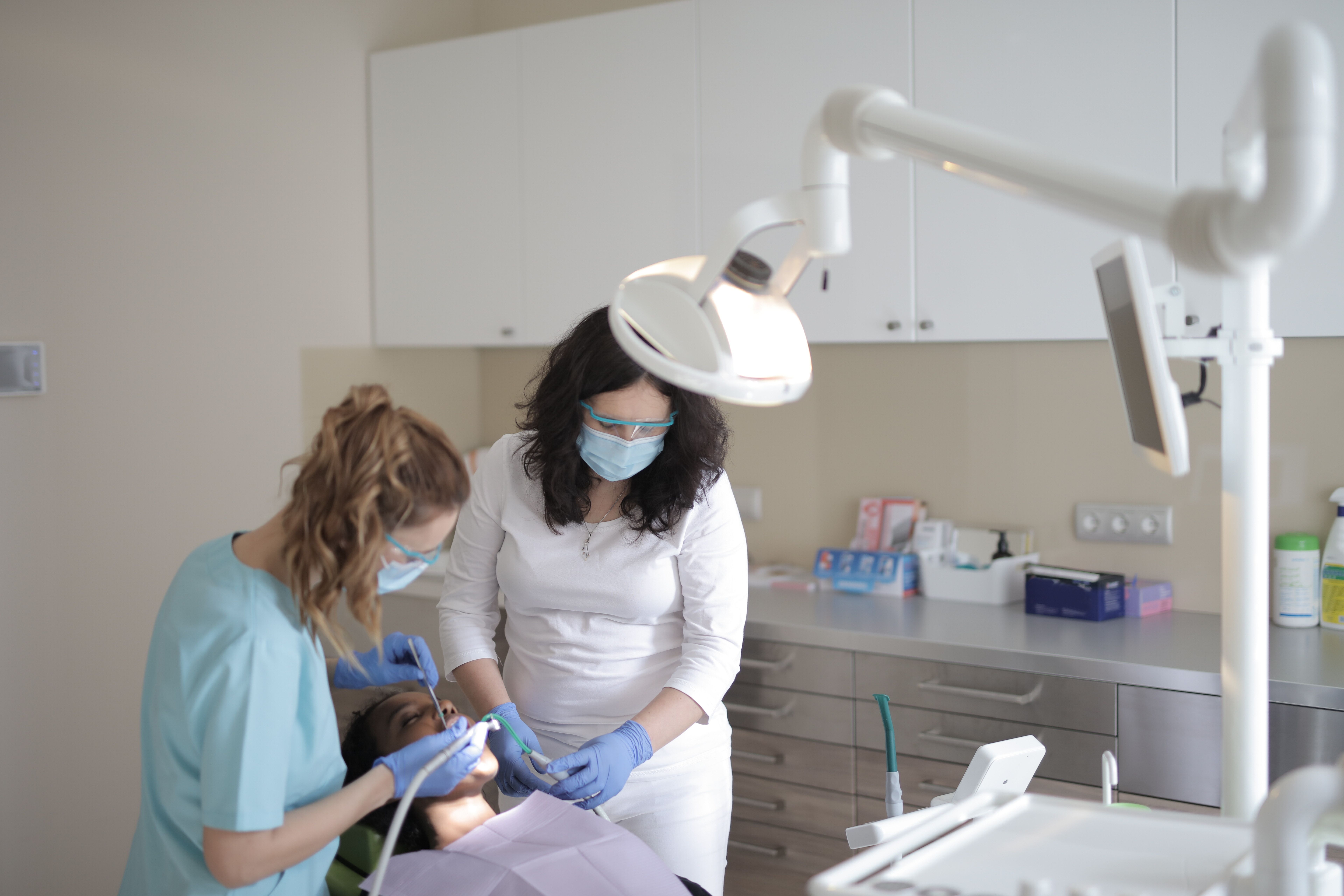
Dental assistants run the show. The dental assistant plays a vital role in dental practices, fulfilling important responsibilities that support both patient care and office operations. They work chairside during procedures, sterilize between patients, do front desk tasks when needed, and are often the first point of contact for nervous patients. The role combines clinical skills, administrative know-how, and people skills.
According to the U.S. Bureau of Labor Statistics, the median annual wage for dental assistants was $47,300 in May 2024. Job opportunities for dental assistants are projected to increase by 8% from 2023 to 2033. There should be around 54,900 openings for dental assistants each year from 2023 to 2033. Much of this growth is attributed to recovery from the COVID-19 recession and ongoing research linking oral health with general health.
Duties of a dental assistant vary by state law, practice type, and credential level. A registered dental assistant in California does different tasks than an entry-level assistant in Texas. Pediatric offices focus on behavior management, while oral surgery centers require expertise in the surgical field preparation. At Kwikly, we place dental assistants in hundreds of offices nationwide, so we have a clear view of what the job actually looks like day to day. This guide covers the core chair.-side work, administrative tasks, expanded functions, and how to build a rewarding career in dental assisting
Introduction to Dental Assistants
Dental assistants are the backbone of any successful dental office, playing a vital role in both patient care and office operations. Whether they’re scheduling appointments, updating patient records, or preparing treatment rooms for dental procedures, dental assistants ensure that the dental practice runs smoothly and efficiently. Their responsibilities bridge the gap between administrative tasks and hands-on clinical support, making them indispensable members of the dental care team.
To become a dental assistant, individuals need a blend of technical know-how, strong organizational skills, and a genuine interest in helping others. Many choose to enroll in dental assisting programs accredited by the Commission on Dental Accreditation (CODA), which provide comprehensive training in everything from infection control to preparing treatment rooms for a variety of dental procedures. These programs prepare students for the realities of dental assisting, including the importance of maintaining accurate patient records and managing appointment flow.
For those looking to stand out in the field, certification through the Dental Assisting National Board (DANB) is a valuable credential. Earning this certification demonstrates a commitment to excellence and a thorough understanding of the core competencies required in dental assisting. Whether you’re just starting or looking to advance your career, dental assisting offers a dynamic and rewarding path within the dental care industry.
Becoming a Dental Assistant
If you’re interested in a career as a dental assistant, there are several pathways to get started. Most dental assistants begin by enrolling in a dental assisting program, which can be found at community colleges, vocational schools, or specialized dental schools. These programs typically last between 9 and 11 months and combine classroom instruction with hands-on clinical training, giving students a well-rounded education in dental assisting.
Many dental assisting programs cover essential topics such as infection control, dental anatomy, and radiography, ensuring that graduates are prepared for the demands of the job. Some states require dental assistants to become certified or registered, which usually involves passing an exam like the Certified Dental Assistant (CDA) exam offered by the Dental Assisting National Board (DANB). This credential can open doors to more job opportunities and higher pay.
On-the-job training is another common route, especially in states where formal education is not mandatory. In these cases, new hires learn the ropes by working alongside experienced dental assistants and dentists, gradually taking on more responsibilities as they gain confidence and skill. Whether you choose a formal dental assisting program or learn through on-the-job training, the key is to build a strong foundation in both the clinical and administrative aspects of dental assisting.
Certified Dental Assistants
Achieving the status of Certified Dental Assistant (CDA) is a significant milestone for anyone pursuing a career in dental assisting. This credential, awarded by the Dental Assisting National Board (DANB), demonstrates a high level of knowledge and professionalism in the field. To become a CDA, candidates must pass a comprehensive exam that covers essential topics such as infection control, dental procedures, and radiography.
Certified dental assistants are valued in a variety of settings, from private dental offices to hospitals and community clinics. With this credential, dental assistants can also choose to specialize in areas like orthodontic assisting or endodontic assisting, expanding their skills and career options. Advanced certifications, such as the Certified Orthodontic Assistant (COA) or Certified Endodontic Assistant (CEA), allow dental assistants to further distinguish themselves and take on more specialized roles within the dental office.
As dental assistants gain experience and additional education, they may move into leadership positions such as dental office manager or even transition into related fields like dental hygiene or dental laboratory technology. The CDA credential not only enhances job prospects but also provides a solid foundation for long-term career growth in dental assisting.
Core Chair-Side and Clinical Dental Assistants Task
Chair-side work is at the heart of what dental assistants do. Dentists rely on skilled assistants during every patient visit to keep procedures efficient and comfortable. Dental assistants perform a wide range of clinical and administrative duties, from assisting with dental procedures and surgeries to managing front-office responsibilities. Dental assistants typically undertake a variety of roles within a dental clinic, adapting to the needs of the practice and location.
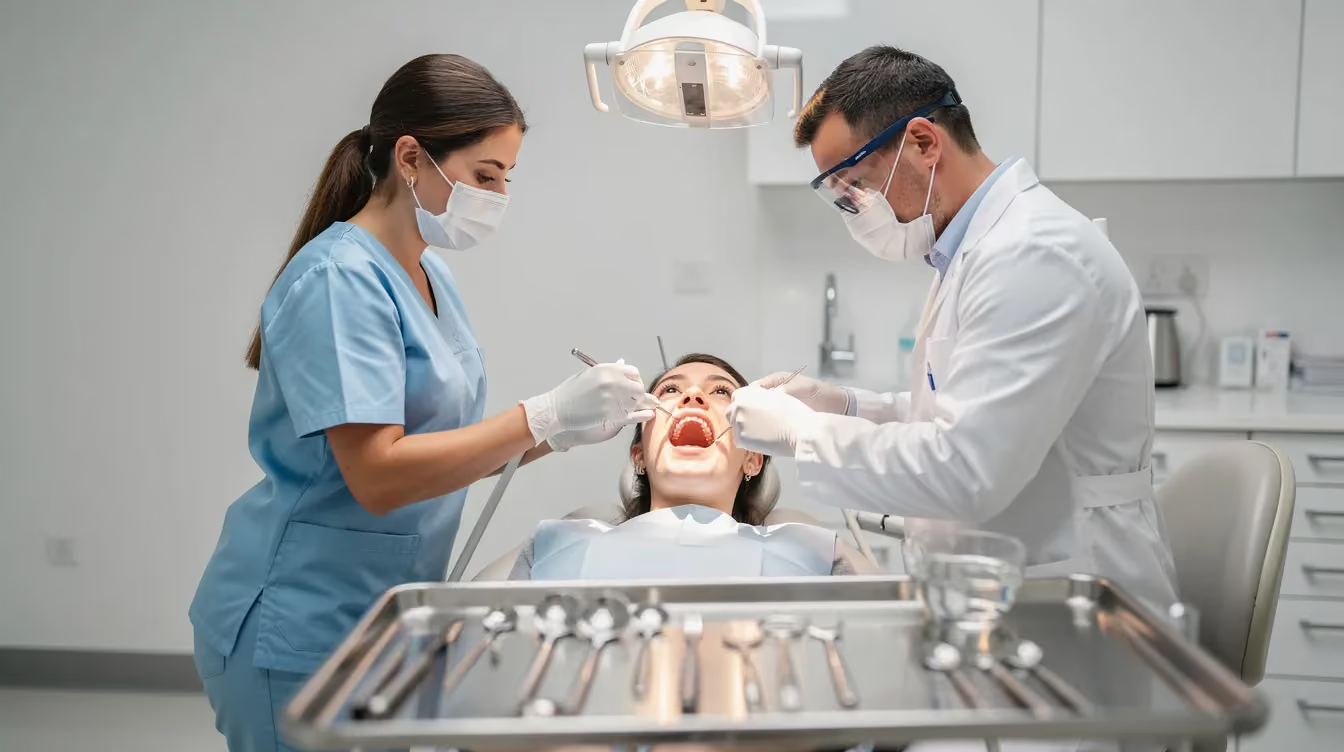
Daily prep:
- Disinfect treatment rooms and dental equipment before the first patient
- Stock dental supplies and consumables
- Set up instrument trays for specific procedures like composite fillings, crown prep, and extractions
- Test suction and make sure the dental chair is working
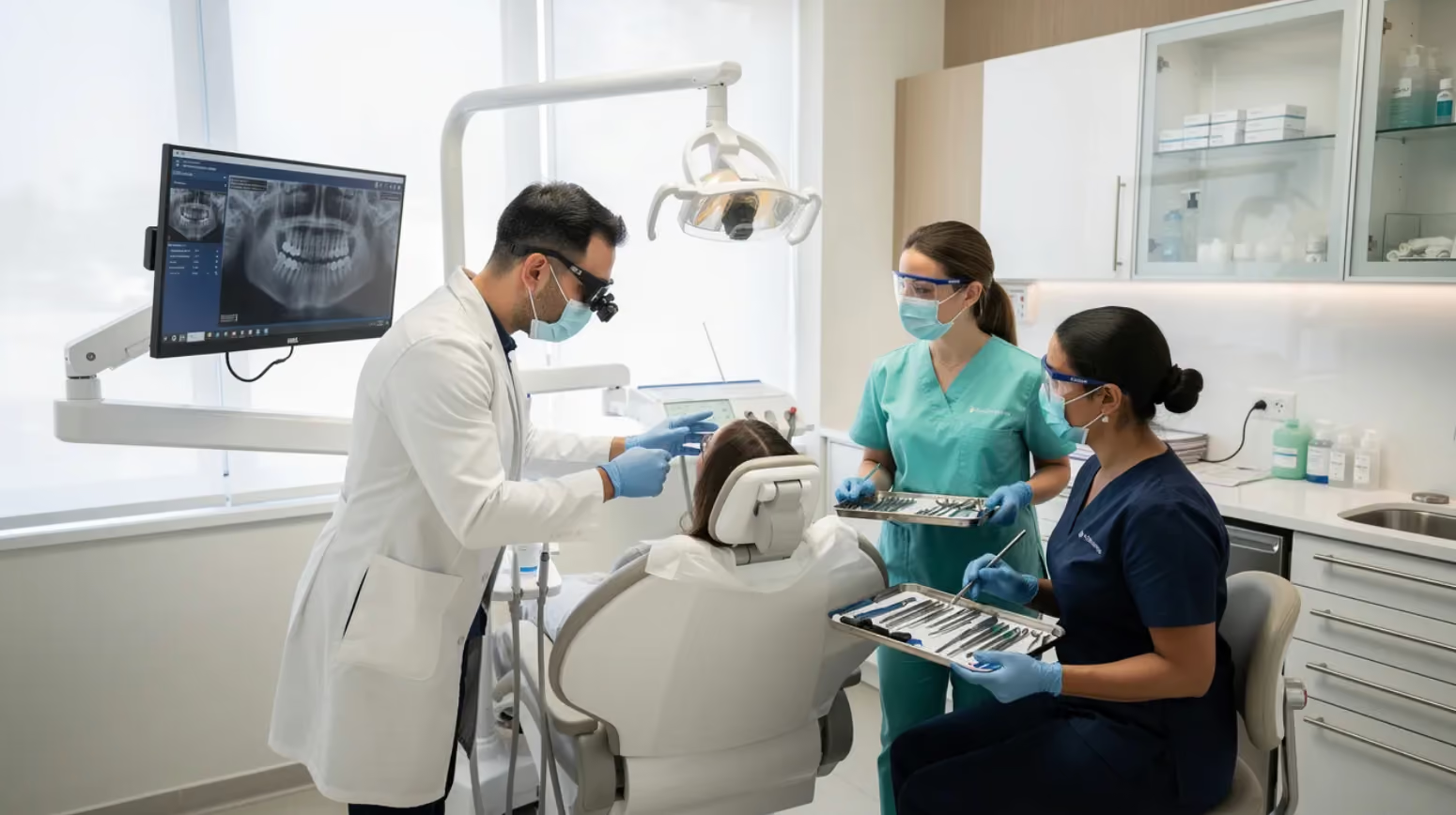
During procedures, assistants work with the dentist by passing instruments at the right time, suction to keep the operative field clear, retracting soft tissue, and mixing materials. Dental assistants assist the dentist by handing instruments and helping with procedures. Experienced assistants know what the dentist needs next. This is four-handed dentistry, and it’s a game changer. These job duties are essential for maintaining a smooth workflow and supporting the dental team.
Most assistants do clinical duties like taking X-rays (with proper certification), digital scans, impressions, and documenting findings. They assist during routine exams, fillings, root canals, crown and bridge work, simple extractions, orthodontic adjustments, and pediatric sealants. Dental assistants are essential in a dental office, combining clinical and administrative roles to enhance efficiency. Dental assistants provide patient care, take X-rays, keep records, and schedule appointments. Some dental assistants may perform expanded functions like applying cavity liners and taking dental impressions for crowns and bridges as permitted by state law. Dental assistants may perform basic treatments like applying fluoride, sealants, and performing coronal polishing, depending on state regulations. Dental assistants play a role in lab work by taking dental impressions and creating dental models.
Temp assistants working through Kwikly must learn each office’s clinical flow quickly while staying within their state's scope of practice. That’s what makes them valuable. Dental assistants help improve the quality and efficiency of a clinic, both administratively at the front of the office and clinically in the examination room.
Infection Control, Sterilization, and Safety Responsibilities
Infection control is a legal and ethical requirement. Every dental practice must follow CDC guidelines and OSHA standards to protect patients and staff.
Instrument processing cycle:
Environmental tasks include surface disinfection between patients, barrier placement and removal, dental waterline maintenance, and proper sharps disposal. Dental assistants make sure to have adequate stock of masks, gloves, gowns, and safety glasses.
Documentation matters too. Assistants log sterilizer cycles, spore test results, and monthly maintenance checks. These records protect the practice during inspections.
Administrative and Front-Office Duties of a Dental Assistant
Many dental assistants split time between clinical work and the front desk, especially in smaller practices.
Common administrative duties include:
- Greeting patients and checking in
- Verifying demographic info and insurance details
- Scheduling appointments and recall visits
- Coordinating multiple providers to minimize gaps and maximize production
- Updating patient records in EHR systems
- Scanning external records and tracking pre-authorizations
Some assistants do billing tasks like discussing treatment plans, collecting copays, and explaining insurance coverage. These administrative tasks require strong people skills and attention to detail.
Dental offices using flexible staffing from Kwikly often need assistants who can cover phones, scheduling software, and EHR systems with minimal ramp-up time.
Patient Care, Communication, and Education
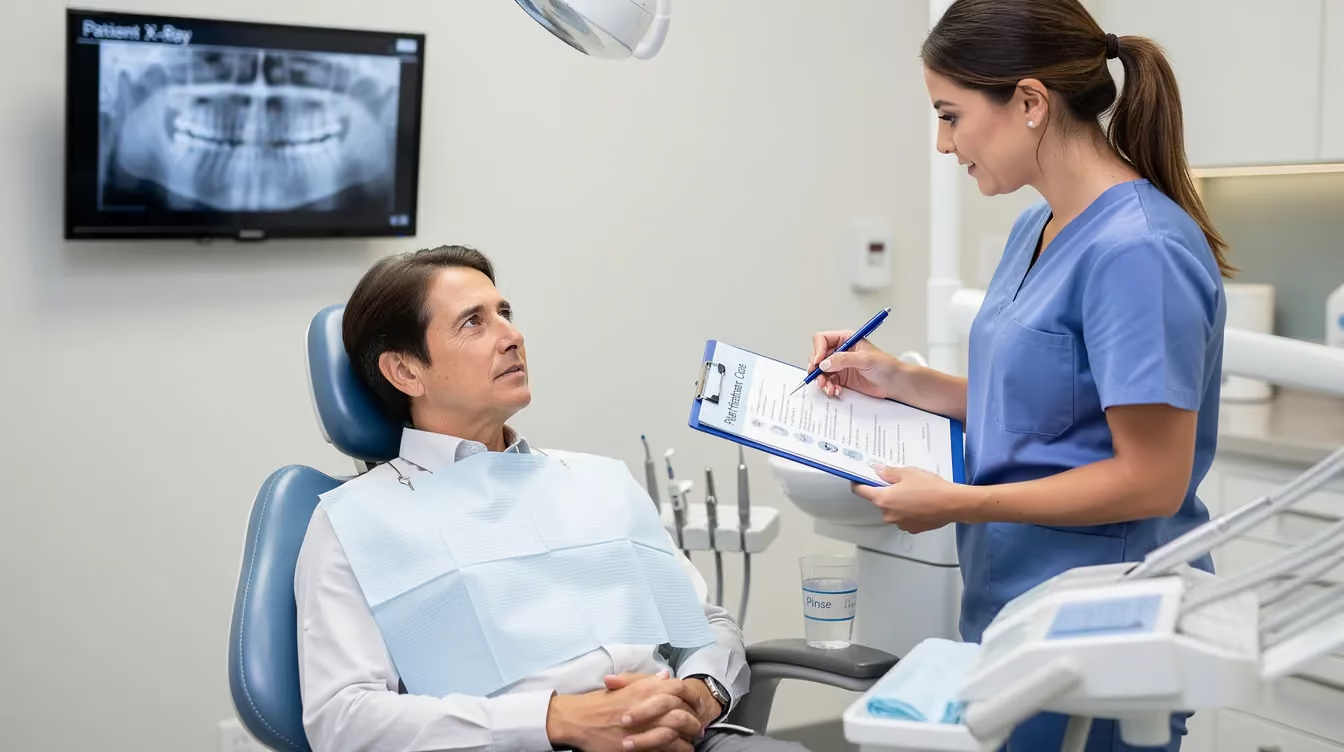
Assistants are often the face of the practice that patients remember. They set comfort levels and build trust in the dental practice.
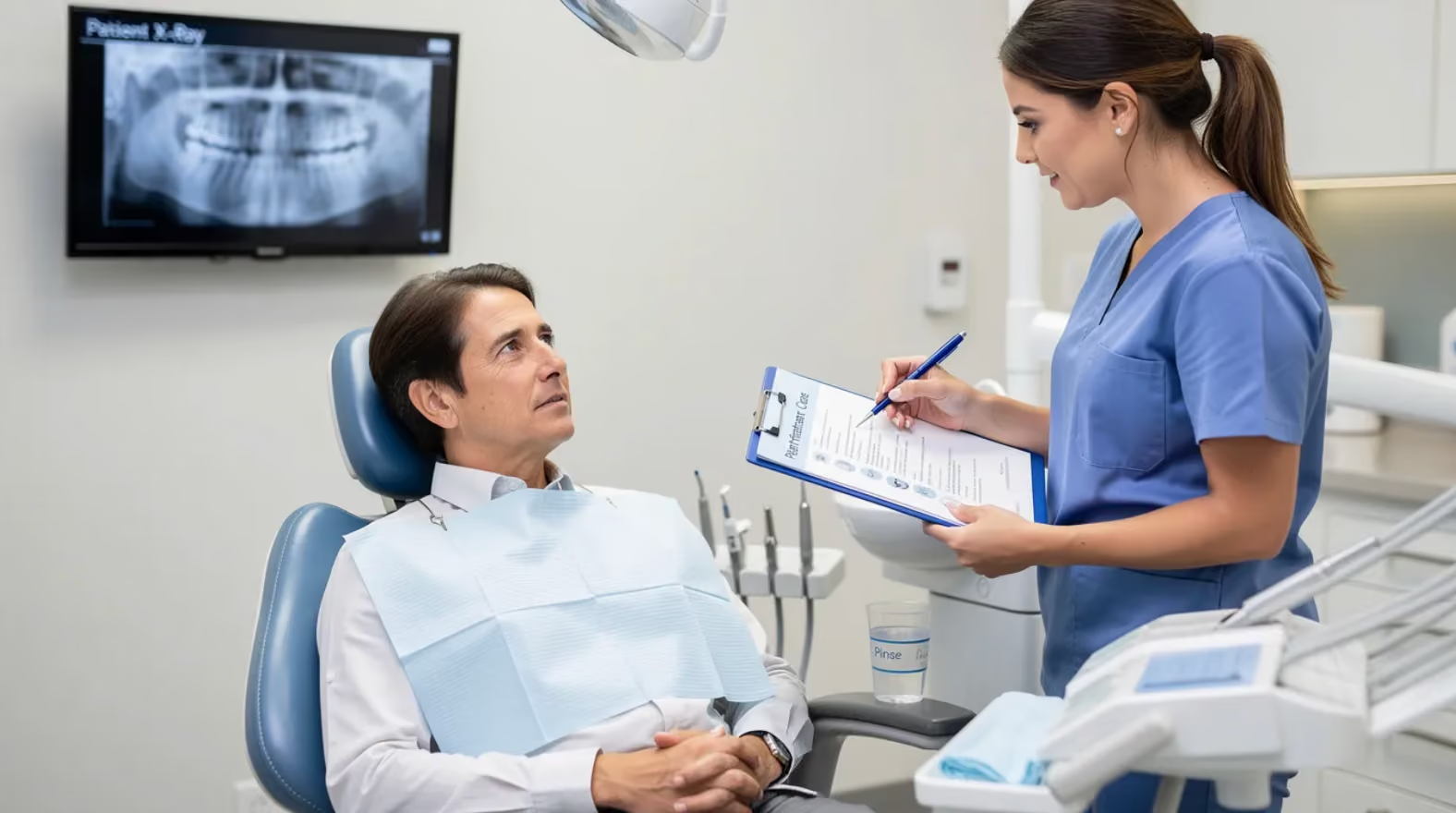
Before treatment, assistants review medical history, take vital signs when required, and explain what will happen during the visit. During procedures, they check comfort, translate clinical jargon into plain language, and alert the dentist to pain or anxiety signals.
Post-op responsibilities:
- Review post-op instructions for fillings, extractions, root canals, and temporary crowns
- Make sure the patient has written instructions
- Schedule patient for follow-up care
Patient education is ongoing. Assistants teach oral hygiene, explain dental x-rays, topical fluoride or sealants and address sensitivity. They give emotional support to nervous patients.
Temp assistants need strong communication skills to build rapport with patients they’ve never met before.
Expanded Functions and Specialized Dental Assistant Duties
Some assistants take additional training to do more clinical work. State law determines what expanded functions are allowed.
Common expanded duties:
- Coronal polishing
- Placing and carving restorations after dental preparation
- Taking final impressions
- Placing sealants
- Applying a topical anesthetic
- Fitting orthodontic separators and bands
Specialty offices have different demands. The Ortho assistant handles archwire changes and bracket bonding. An oral surgery assistant manages surgical setups, sterile fields, and patient recovery. Endodontic dental assistants support endodontists by assisting with root canal procedures and managing patient interactions within an endodontic practice. Pediatric offices emphasize behavior management and nitrous monitoring, where allowed.
Other specialized roles include sterilization assistant, lab assistant (handling lab work like pouring models), and lead assistant with supervisory responsibilities.
Kwikly matches offices with assistants who have the right certifications for their state and specialty needs. Check with the Dental Assisting National Board or your state dental board to see what expanded functions are allowed and what training is required.
Work Settings, Hours, and Real-World Schedules
About 90% of dental assistants work in dentists' offices, where they perform a variety of clinical procedures and administrative tasks. Others work in specialty practices, community clinics or government facilities.
A typical day:
- Morning team huddle to review the schedule
- Back-to-back patient blocks
- Occasional dental emergencies
- End-of-day room breakdown and sterilization catch-up
Schedules vary. Some assistants work full-time 4 or 5-day workweeks. Urban offices have evening hours. High-demand practices run Saturday shifts.
Temp and per diem assistants often work variable schedules, picking up extra Saturdays or evenings through Kwikly. This gives them control over their hours and broadens their experience in different practice types.
The job is physically demanding. Assistants stand for long periods, bend and reach frequently, and must maintain good posture during chairside work to avoid strain.## How to Become a Dental Assistant and Build Your Career
There are multiple ways to get into this career, depending on your state. Some states require formal education, while others allow on-the-job training.
Common paths:
- Accredited programs (9-12 month diplomas) at community colleges or vocational schools
- Many dental assisting programs combine classroom instruction with externships
- On-the-job training in states that allow it
- Hybrid models that mix work experience with coursework
Most programs teach radiography, infection control, chairside assisting, dental materials, and dental records management. A high school diploma is usually required to get in.
Certification options include state radiography permits for radiation health compliance, the Certified Dental Assistant credential from the National Board (DANB), and state-specific titles like registered dental assistant or EFDA for expanded functions.
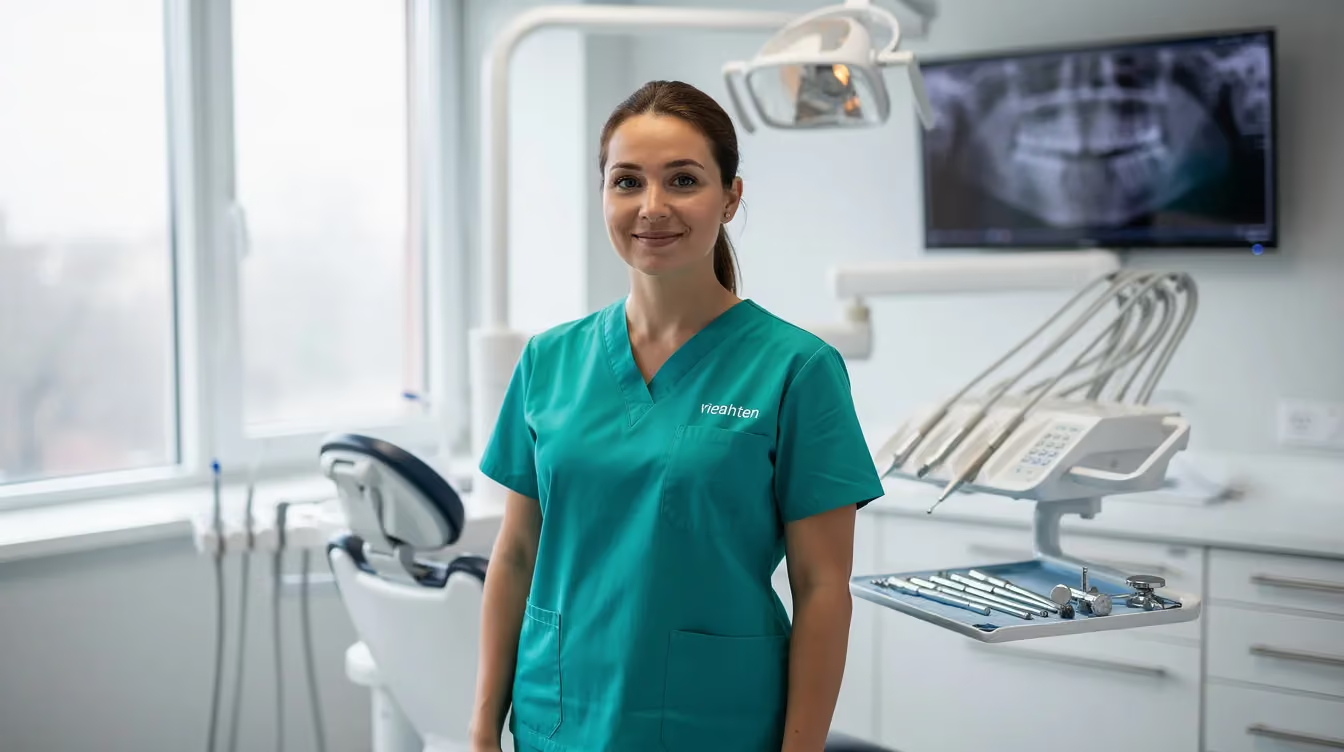
Working through Kwikly can speed up skill growth by exposing assistants to different offices, software systems and specialties. Same day pay and schedule flexibility makes it easier to gain experience while earning.
Long term growth options include lead assistant roles, practice management, dental hygienist programs or specialized surgical and orthodontic assisting positions. A career as a dental professional has real upward mobility.
Dental Assistant Salary, Job Outlook and Long Term Opportunities
Median U.S. dental assistant salary in May 2024 was $47,300 according to labor statistics. 6% growth from 2024 to 2034 is higher than average for all jobs.
Pay varies by:
Hourly shifts are common, with differential pay sometimes available for evening or weekend shifts.
Job security drivers include an aging population with increased dental care needs, better awareness of oral health to overall health and growing demand for cosmetic and restorative procedures.
Platforms like Kwikly give assistants more opportunities. You can compare pay by office and location, then take shifts that fit your financial and lifestyle goals. Knowing the full scope of dental assistant duties helps you advocate for fair pay.
Completing a dental assistant training program is a key step for those entering the field. Enrolling in an accredited dental assistant program provides the specific knowledge and skills necessary to perform the duties of a dental assistant and can help you stand out in a competitive job market. Accredited dental assistant programs typically take about a year to complete at a community college and often include hands-on externships. Even when formal training isn't mandated by state regulations, it is likely always preferred by employers.
Dental Assistant vs. Dental Hygienist
While dental assistants and dental hygienists both play important roles in dental care, their responsibilities and educational requirements are quite different. Dental assistants focus on supporting dentists and dental hygienists with a mix of administrative and clinical tasks. This includes scheduling appointments, preparing treatment rooms, and assisting with dental procedures to ensure the dental office runs efficiently. Dental assistants may also help with patient education and provide support during dental procedures.
Dental hygienists, on the other hand, are primarily responsible for preventive dental care. They clean teeth, examine patients for signs of oral diseases, and provide guidance on maintaining good oral hygiene. Becoming a dental hygienist typically requires completing an associate’s or bachelor’s degree in dental hygiene, along with state licensure. In contrast, dental assistants may not need as much formal education, and certification or registration requirements vary by state.
Understanding these differences can help you decide which career path aligns best with your interests and goals. While dental assistants may focus more on supporting the dental team and managing office operations, dental hygienists take a more direct role in patient care and oral health maintenance.
How Kwikly Supports Dental Assistants and Offices
Kwikly is a modern dental assistant temp agency that helps offices across the United States.
For dental professionals:
- Quick online sign up with a fast vetting process
- Instant access to open shifts in your area
- Same day pay through Kwikly Wallet
- Take shifts that match the duties you like, whether clinical, administrative or specialized
For dental offices and DSOs:
- Get matched with vetted assistants ready to do core duties
- Assistants arrive prepared for your infection control and software
- Fill last minute or planned shifts with confidence
- Live support from people who get dental staffing
Big dental service organizations like Heartland Dental and Smile Brands trust Kwikly to maintain staffing continuity when full time assistants are out. The platform helps hire dental assistants who can jump in and contribute right away.
If you’re a dental assistant looking for flexible work, check out shifts on Kwikly. If you run a dental office and need reliable coverage, submit your next staffing request to see how easy modern dental staffing can be.
Closing Thoughts
Dental assistants are essential members of the dental care team, providing critical support to dentists and dental hygienists in a variety of settings. Whether you choose to become a dental assistant through a formal dental assisting program or on-the-job training, this career offers a unique blend of clinical and administrative responsibilities. Certified dental assistants can further expand their opportunities by specializing in areas like orthodontic or endodontic assisting, or by moving into leadership roles within the dental office.
Dental assistants work closely with other dental professionals to ensure high-quality patient care, from taking vital signs and preparing dental instruments to managing dental supplies and maintaining accurate patient records. Their contributions help promote oral health and ensure that dental practices run smoothly. With a positive job outlook and opportunities for advancement, a career as a dental assistant is both rewarding and impactful for those passionate about dental care and patient well-being.