Table of contents
Get Started with Kwikly
Get the latest updates, insights, and exclusive content delivered straight to your inbox.
Key Takeaways
- As an EFDA, you'll get trained to do advanced dental work that really makes a difference for patients and keeps the office running smoothly.
- Every state's got its own rules for EFDAs - what training you need, what certs to get, what you're allowed to do. You'll want to dig into your state's requirements.
- Getting the right training and certification opens doors to better jobs, more money, and real career growth in dental.
Who This Article is For
- Dental assistants who want to move into a more advanced, better-paid role.
- Students exploring dental careers and trying to understand what EFDAs actually do.
- Working dental assistants who need clarity on their state’s rules, titles, and certification requirements.
- Anyone comparing EFDA training programs and wondering what skills and coursework are involved.
- Dental professionals looking for practical tips on exams, hands-on training, and career growth.
If you're thinking about becoming an Expanded Functions Dental Assistant (EFDA), you're looking at some serious training and state-specific stuff you'll need to get through. But don't worry - this guide breaks down exactly what you need to do to move your dental career forward.
Understanding Expanded Functions Dental Assistant (EFDA)
So what’s an EFDA? You’re basically a dental assistant who’s gotten extra training to do more advanced stuff than regular assistants. EFDAs are trained to take on expanded duties beyond those of a standard dental assistant, allowing them to perform specialized procedures that support the dental team. We’re talking about tasks that usually only licensed hygienists or dentists can do - like putting on sealants, doing coronal polishing, and applying topical anesthetic. It’s a game-changer for both the office and the patients.
When you’re an EFDA, you’re doing way more than regular dental assistant work. Here’s what you’ll be handling:
- Putting on sealants that protect teeth from getting cavities
- Doing coronal polishing to get rid of plaque and stains
- Applying topical anesthetic so patients don’t feel as much during procedures
This stuff requires you to be precise and really know what you’re doing with dental procedures and patient care under a licensed dentist, including putting together amalgam restorations.
To be good at this job, you need some specific skills:
- You’ve got to be able to juggle multiple things at once - EFDAs are always handling several responsibilities.
- You need to communicate well with patients and your team.
- You’ve got to know infection control inside and out to keep everyone safe.
- EFDAs are responsible for a wider range of procedures and patient care tasks, reflecting their expanded role in the dental office.
When you’ve got these skills and the extra training, you’re looking at better career opportunities and higher pay than regular dental assistants.
Bottom line - being an EFDA is challenging but worth it. You’re making dental practices run better and helping patients get better care. EFDAs play a key role in modern dentistry by supporting advanced procedures and improving practice efficiency. Your advanced skills make you someone the dental team can’t do without.
State Requirements for EFDAs
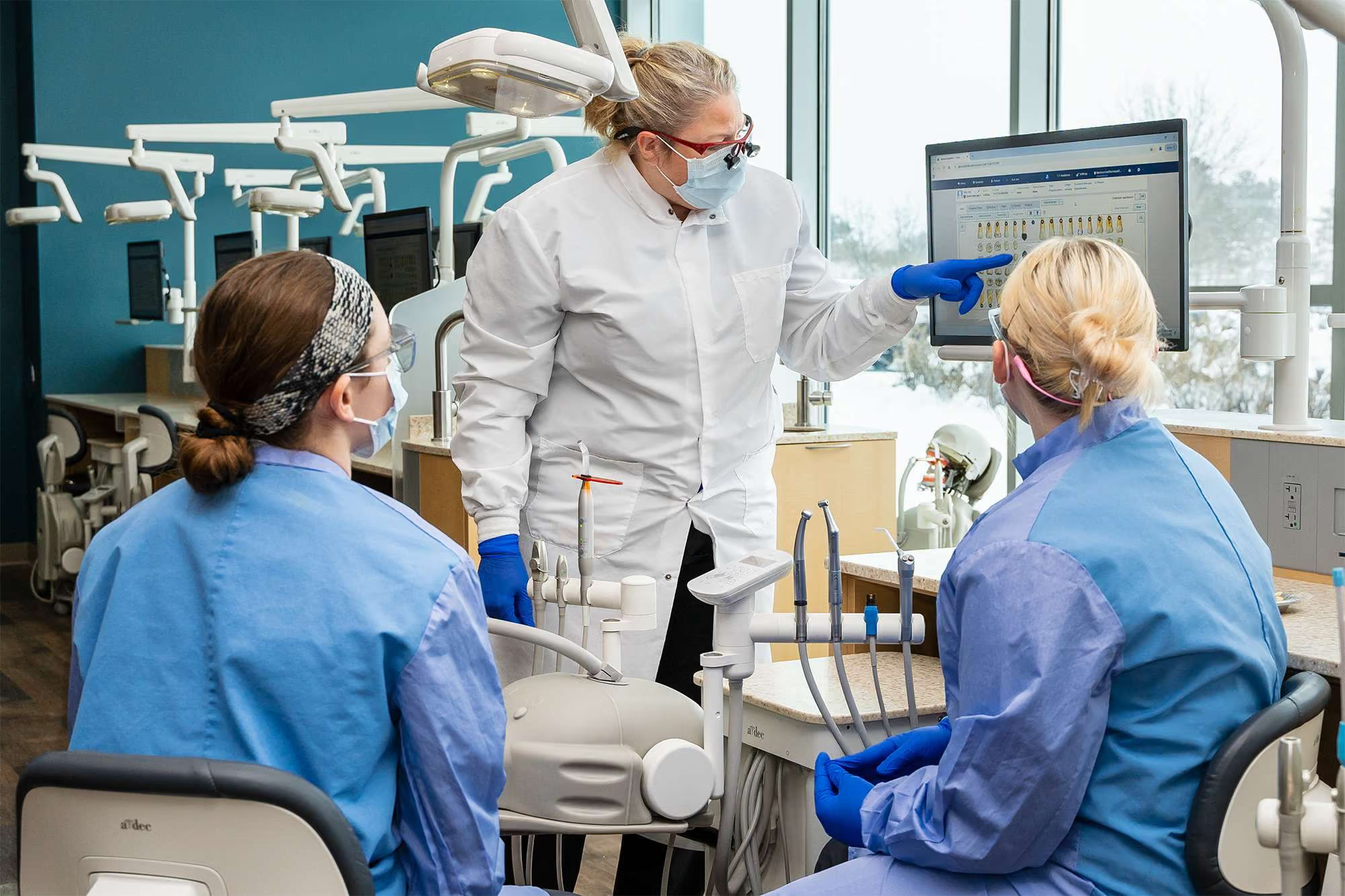
Here’s where it gets tricky - every state does things differently when it comes to EFDAs. Each state has its own requirements for training, exams, and what you’re actually allowed to do. There are different requirements in each state for EFDAs, so it's important to understand your state’s specific regulations and titles before you start. Some states make you take extra courses and pass specific exams to get EFDA status. You’ve really got to research what your state wants before you start.
States also decide exactly what duties you can perform as an EFDA. Sure, applying sealants and taking impressions are pretty common, but the details can be totally different from one state to another. Other states may have different regulations and titles for similar roles, so always check the terminology and requirements in your region. Some states recognize DANB certifications as part of what you need to do expanded functions, while others have their own unique requirements. You need to understand these differences so you stay compliant.
Even the job titles change from state to state. You might be called a Licensed Dental Assistant or Registered Dental Assistant, and each title comes with its own responsibilities and requirements. Some states use other titles such as LDA, RDA, or RDAEF for roles with extended functions. The term extended functions may also be referred to differently depending on the state and its regulations. Take Florida - you need specific credentials and state licensing to legally do expanded functions there. Checking your state’s regulations is something you can’t skip if you want to become an EFDA.
Essential Skills for EFDAs
Being an EFDA means you need a bunch of different skills to handle the complexity of dental care. You've got to pay attention to details - when you're applying sealants or doing coronal polishing, there's no room for mistakes. Being detail-oriented means better procedures and better outcomes for patients.
Communication is huge. You're talking to patients, explaining what's happening, keeping them comfortable, and dealing with their concerns. Plus you need to communicate clearly with your dental team so everything runs smooth and everyone trusts each other.
You also need to know infection control and health regulations inside and out. This keeps everyone safe - patients and staff. On top of that, you've got to be organized and able to handle multiple things at once, because you're always juggling different responsibilities. These skills, plus being able to work under pressure, make you incredibly valuable in any dental office.
Educational Pathways to Get into Expanded Functions Dental Assisting
Most people start their EFDA journey by working as a dental assistant first. You’ll probably spend a few years in a dental office, learning the ropes and getting the basics of dental care down. This experience gives you a solid foundation for the advanced training that’s coming.
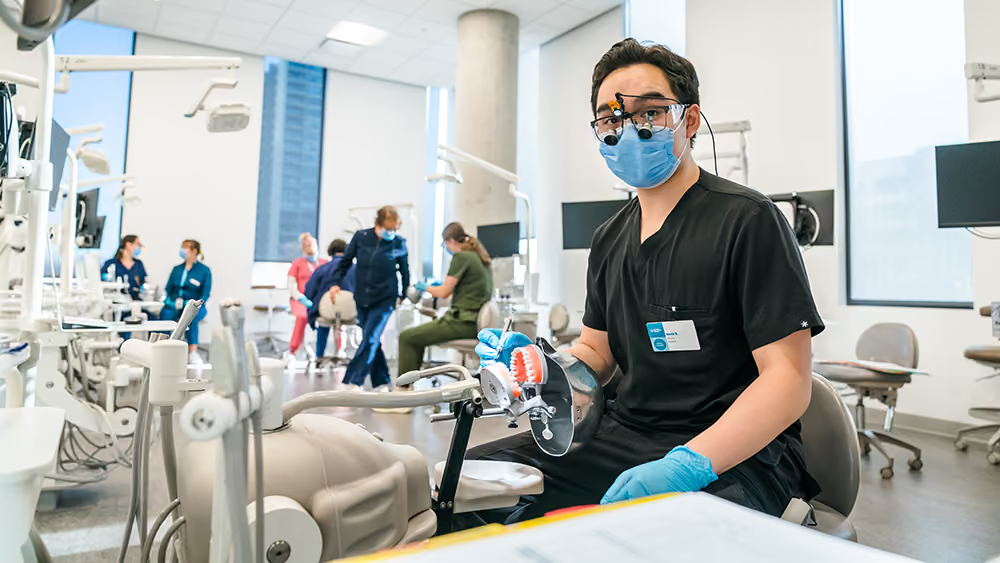
To move up to EFDA, you need to enroll in a state-approved course that focuses on advanced dental procedures. Only eligible dental assistants—often those who have graduated from an accredited dental assisting program—can enroll in these advanced courses. These courses cover things like applying sealants, coronal polishing, and taking impressions. You’ll also need hands-on training in a real dental office, because that’s where you apply what you’ve learned in the classroom. Combining coursework with real practice makes sure you’re ready for your expanded responsibilities.
Real-world experience is everything for aspiring EFDAs. Students and participants in these courses gain hands-on experience with real patients. Observing procedures and working directly with patients helps you adapt to different patient needs and clinical situations. The best training programs mix observed practice with hands-on experience, so you get both the knowledge and the practical skills. This preparation is what makes you a competent and confident EFDA.
Certification Process
Getting certified is a big step in becoming an EFDA. You start by passing the CDA (Certified Dental Assistant) exam, which shows you know dental assisting skills. The DANB CDA certification is recognized everywhere and really helps when you’re trying to become an EFDA. Upon successful completion of the program, you receive a certificate as proof of your expanded functions training.
You’ll also need specific certifications for expanded functions. Here’s what you’re looking at:
- DANB’s Sealants (SE) exam to get certified for applying sealants. A minimum number of clinical procedures, such as sealants, must be completed to pass.
- Topical fluoride (TF) exam to get certified for applying topical fluoride.
- Coronal Polishing exam from DANB to get certified in coronal polishing.
These certifications prove you can do specialized procedures safely and effectively in a class.
You need to prepare for these exams. Participants must complete both written and clinical assessments. Get your hands on textbooks, review guides, and online college courses for students. These resources usually have over 500 practice questions on various expanded functions to help you register for success in completing the program and to file your progress effectively. It should be noted that some programs require you to log in to an online portal to access study materials and exams. Make sure you take note of these resources for your registration completion and completed progress, guided by an instructor. To submit your progress, follow the outlined steps.
You can also use the EFDA Practice Test, which covers topics for DANB exams and state credentials. Good preparation helps you understand the material better and improves your test-taking skills, setting you up for successful certification.
Practical Training and Experience
Practical training is something you absolutely need as an EFDA. The supervising dentist guides you during training, making sure you get the skills you need for advanced procedures. This hands-on experience is crucial for developing the skills and confidence you need in the dental field. Practical training may also include the fabrication of temporary dental appliances, allowing you to learn the process of creating custom dental prosthetics as part of the curriculum.
You’ve got to know your dental instruments inside and out. Being familiar with these tools lets you assist effectively during procedures like applying topical anesthetic or taking impressions. Practical training programs usually include supervised practice sessions, where you can work on your techniques with experienced instructors watching. Working directly with a person during clinical procedures is essential for developing both interpersonal and technical skills. This real-world training helps you become good at what you do and comfortable with your expanded responsibilities.
Good practical training prepares you for different procedures and helps your professional development. When you get hands-on experience, you build confidence and skills that are crucial for moving your career forward. This preparation gets you ready to handle the demands of your expanded role in the dental office.
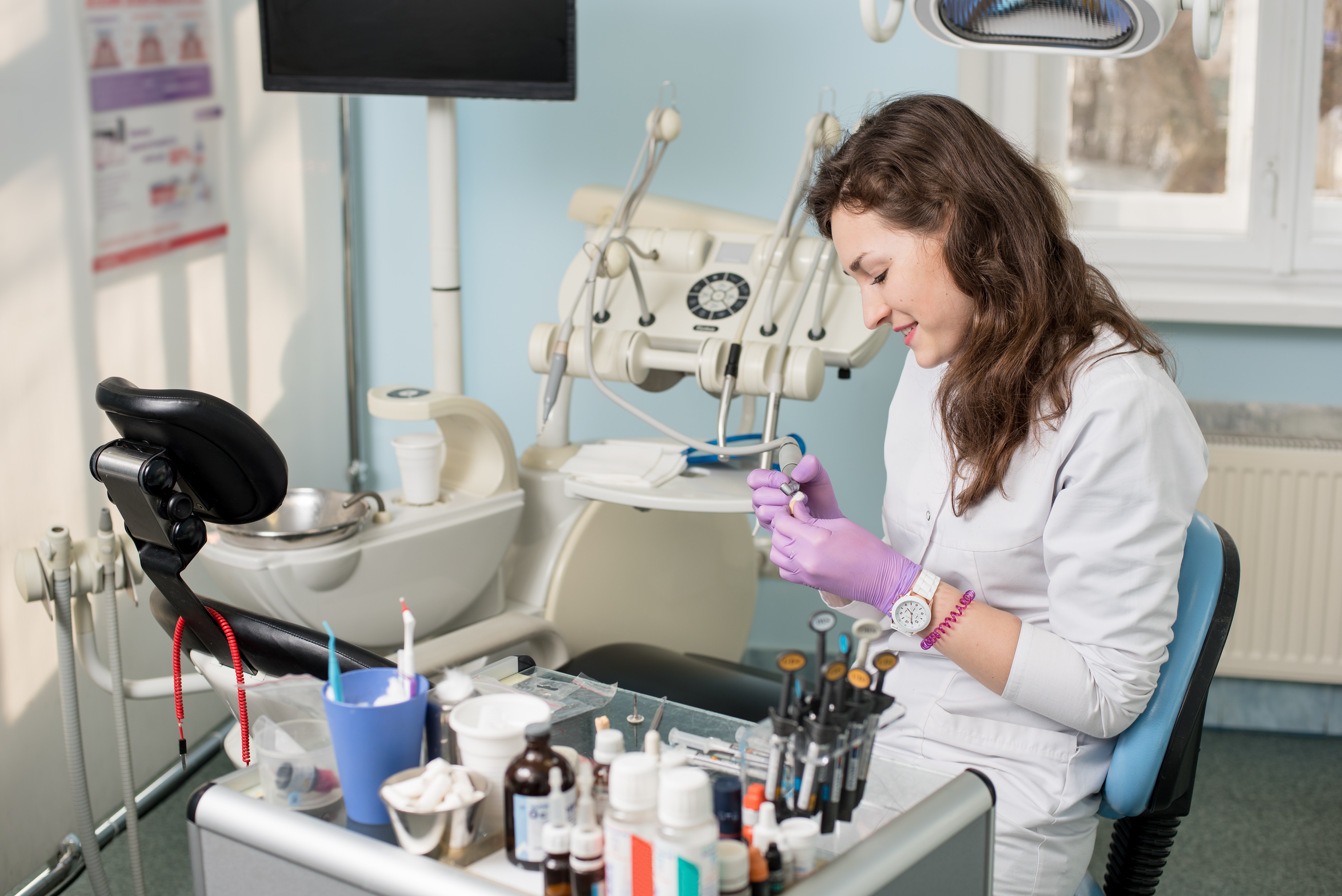
Job Opportunities and Career Growth
The job market for dental assistants, including those with expanded functions, looks really good. Over the next decade, there'll be about 52,900 job openings for dental assistants annually. Employment for dental assistants is expected to grow by 6% from 2024 to 2034, which is faster than average for all jobs. This growth comes from dental practices expanding and needing more skilled professionals to keep procedures running efficiently.
EFDAs usually make more money than regular dental assistants. Here's what you're looking at:
- EFDAs typically make between $19 and $23 per hour, depending on where you work and how much experience you have.
- If you've got expanded functions certification, you'll probably find better job prospects and higher salaries, so it's worth the investment in your career.
- Additional certifications make your job opportunities and earning potential even better.
Practical training and certification open doors to more job opportunities and help your career grow. Keep improving your skills and getting additional certifications, and you'll advance your career and find greater professional satisfaction. There's real demand for skilled EFDAs, so if you invest in your training and certification, you'll find plenty of opportunities for career advancement.
Resources for Aspiring EFDAs
If you’re looking to become an EFDA, there are lots of resources that can help you reach your goals. Professional organizations like the American Dental Assistants Association (ADAA) and the Dental Assisting National Board (DANB) provide valuable support and resources for registered dental assistants. They’ve got educational materials, networking opportunities, and guidance on certification and career advancement.
DANB is especially important for EFDAs, because they recognize exams and certifications that you need for performing expanded functions. They provide comprehensive information on certification requirements, study guides, and practice exams, helping you prepare effectively for your certification tests. Using these resources can really improve your chances of success.
You should also look for resources like textbooks, online courses, and review guides that fit your learning style. These materials give you in-depth knowledge and practical skills you need for passing certification exams and doing well in the field. When you use these resources, you get the knowledge and confidence you need to succeed in your career.
If you are in Georgia, be sure to consult the Georgia Board of Dentistry for approved resources and certification requirements specific to the state.
How Kwikly Can Help
Kwikly connects dental offices with highly qualified dental professionals, including EFDAs. We're the leading dental staffing platform in the United States, and we make it easy for dental offices to find and hire temporary or full-time staff. This lets dental offices focus on patient care while we handle the administrative stuff.
Kwikly gives you total control over your schedule, so you can pick up shifts that fit your availability. Whether you're looking for full-time temping or just want some extra income, we've got flexible opportunities to meet your needs. We also offer same-day pay through Kwikly Wallet, so you get paid promptly for your work.
We're nationwide in all major metropolitan areas, which means both dental offices and professionals can find the right match quickly and efficiently. Major dental service organizations like Heartland Dental and Smile Brands trust us, and we guarantee high-quality staffing solutions with a 100% satisfaction guarantee. This commitment to quality and reliability makes Kwikly an invaluable resource for EFDAs looking to advance their careers.
Summary
Becoming an EFDA is a rewarding path if you're a dental assistant looking to expand your skills and advance your career. From understanding the essential skills and educational pathways to navigating the certification process and practical training, every step is important for achieving EFDA status. The demand for skilled EFDAs is growing, which means promising job opportunities and career growth.
By using the resources from professional organizations and platforms like Kwikly, you can successfully navigate your journey and achieve your career goals. Being an EFDA is integral to the efficiency and quality of dental care, making it a valuable and fulfilling career choice. So take the first step today, and start on the path to becoming an EFDA.
Frequently Asked Questions
What is an Expanded Functions Dental Assistant (EFDA)?
An EFDA is a dental professional who's gotten specialized training to do advanced procedures like applying sealants and performing coronal polishing, which enhances patient care beyond what a standard dental assistant does.
What are the state requirements for becoming an EFDA?
To become an EFDA, you need to complete the necessary coursework, pass relevant exams, and get state-specific certifications, which can vary by state. Make sure you check your local regulations for detailed requirements.
What essential skills are needed to be an EFDA?
To be an effective EFDA, you need strong attention to detail, good communication skills, and the ability to multitask while following infection control practices in a fast-paced environment. These skills are crucial for keeping patients safe and providing high-quality dental care.
How can I prepare for EFDA certification exams?
To prepare effectively for EFDA certification exams, focus on studying recommended textbooks and online courses while also using practice exams from reputable organizations like DANB. This targeted approach will help you understand the material better and get ready for the exam.
How can Kwikly help in my career as an EFDA?
Kwikly can really help your career as an EFDA by giving you access to flexible work opportunities, letting you manage your schedule effectively, and providing same-day pay while connecting you with dental offices across the country. This can lead to increased job satisfaction and greater career growth.