Table of contents
Get Started with Kwikly
Get the latest updates, insights, and exclusive content delivered straight to your inbox.
Key Takeaways
- Your dental hygienist is going to be doing the heavy lifting on preventive care - they're cleaning teeth, teaching patients how to take care of themselves, and working with you to make sure everyone gets the care they need.
- If someone wants to be a licensed dental hygienist, they've got to finish an accredited program and pass a bunch of tests, including the National Board Dental Hygiene Examination and whatever clinical exams your state requires.
- If you want the good hygienists to stick around, you've got to pay them well, make your office a place they actually want to work, and give them chances to grow in their career.
Who This Article Is For
- Practice owners and managers who need to hire reliable, skilled dental hygienists.
- Dentists who want to understand what hygienists bring to the workflow and how to keep them long-term.
- HR teams or recruiters working in dental groups or DSOs.
- New or soon-to-graduate dental hygienists looking for job options and insight into what employers expect.
- Anyone comparing hiring methods or exploring platforms like Kwikly to fill hygiene shifts quickly and confidently.
Looking to hire a dental hygienist for your practice? You're in the right place. We'll walk you through everything you need to know - from what these professionals actually do to how you can find the best ones and get them to say yes to working with you. No fluff, just the stuff that actually works.
Understanding the Role of a Registered Dental Hygienist

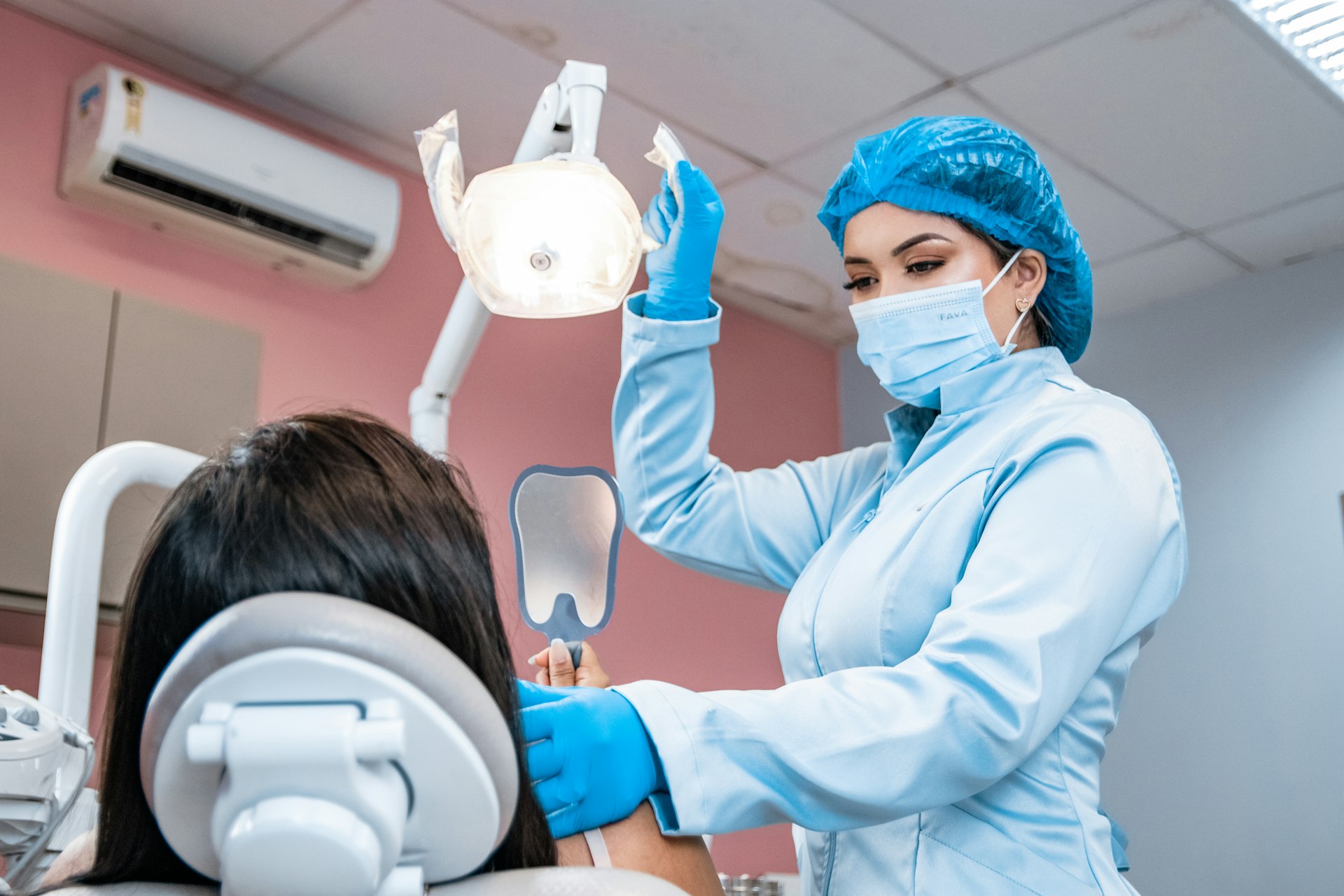
Dental hygienists are pretty much the heart of keeping people’s teeth healthy. They’re the ones getting rid of all that plaque and tartar that builds up, and they apply treatments like sealants and fluorides to keep your teeth in good shape. With a bunch of different tools - everything from hand instruments to ultrasonic ones - these professionals make sure patients walk out with clean teeth and no harmful buildup.
What they do goes way beyond just cleaning teeth:
- They can provide certain restorative services in some states if they’ve got the extra training for it
- They teach patients how to take care of their teeth properly at home
- They show people the best ways to keep their mouth healthy
- Dental hygienists are responsible for patient assessments, preventive treatments, and patient education
This kind of education can really change how someone takes care of their teeth for years to come.
On top of that, dental hygienists check out patients’ oral health and let the dentist know what they find. Dental hygienists often work under the supervision or in coordination with an attending dentist, ensuring that exams, diagnoses, and treatment planning are collaborative. This teamwork approach means everyone gets comprehensive care that handles both what’s happening right now and what might come up down the road. Medical assessments and reviewing health histories are also important parts of their role, supporting comprehensive patient care within a medical framework. When you understand everything a dental hygienist does, you can see just how important they are to your practice. Dental hygienists may also be assigned other duties to support the overall function of the dental practice.
Types of Dental Jobs
If you're thinking about becoming a dental hygienist, chances are you've wondered about the job opportunities out there. Maybe you're looking for flexibility, maybe you want full-time work, or maybe you're just curious about what's available. The dental field has tons of options for you. You can work in general dentistry, cosmetic dentistry, orthodontics, or even with kids if that's your thing. Dental offices, clinics, hospitals - they all need registered dental hygienists who can jump in and provide great preventive care. Plus, you get to educate patients about keeping their teeth and gums healthy, which honestly makes a real difference.
Some dental hygienists don't stop there. They specialize even more, becoming dental examiners or working right alongside dental assistants to give patients exceptional care. The pay's competitive, the benefits are solid, and you're building a career that actually matters. Take Texas, for example - places like San Antonio and Houston are always looking for dental hygienists who can help promote oral health in diverse communities. No matter where you end up working, you're a key part of the dental team. You're making sure patients get the best possible care and education, and that's something you can feel good about.
Qualifications and Licensure Requirements
This position requires completion of an accredited dental hygiene program and passing all relevant exams.
If you want to become a registered dental hygienist, you’ll need to finish either a two to three-year associate degree program or go for the full four-year bachelor’s degree in dental hygiene. The program has to be accredited by the Commission on Dental Accreditation (CODA) - that’s how you know you’re getting the real deal education. This foundation gives future hygienists everything they need to know to do their job right.
Once you’ve got your degree, you have to pass the National Board Dental Hygiene Examination. That’s a big step in getting licensed. Then there’s a regional or state clinical board exam you need to clear, too. All this testing makes sure only people who really know their stuff get into the field.
Every state has its own licensing requirements, and some may require additional exams or certifications depending on local rules. Take Texas, for example – the position requires active licensure in TX and compliance with Texas State Board of Dental Examiners regulations. Hygienists there need to complete 12 hours of continuing education every single year to keep their license current. You also need to maintain a current Basic Life Support (BLS) certification, which means you have to show you can actually do the hands-on skills. This ongoing education keeps dental hygienists up to date on all the latest practices and whatever new regulations the Texas State Board puts out. Some dental groups may have additional licensure or credentialing requirements for their hygienists, so it’s important to check with the specific organization where you plan to work.
How to Attract Top Full-Time and Part-Time Talent
Getting the best dental hygienists to work for you starts with offering competitive pay and benefits. You need to regularly check what you’re offering because other industries are competing for these skilled workers too. A solid compensation package doesn’t just bring in good candidates - it helps you keep them around. Insurance is included as part of the total rewards package, making your offer even more attractive to potential team members.
Small things that show you appreciate your team can make a huge difference in keeping people happy and sticking around. Celebrating when someone hits a milestone or throwing in little perks here and there creates a positive workplace where people actually want to be. If you can work with staff on their scheduling preferences to help them balance work and life better, that goes a long way. Hygienists can enjoy guaranteed hours based on their preferred schedule, and working hours are established through a mutually agreed process between you and your team.
Our practice’s mission is to provide exceptional patient care and improve the lives of our patients every day.
When you’re looking to recruit, try reaching out to local dental schools to connect with new graduates. These fresh professionals are usually excited to get started and bring new ideas and energy to your practice. Use these strategies, and you can build a team of motivated, skilled dental hygienists who are committed to giving patients exceptional care.
Ready to make a difference? Join our team and be part of a supportive, mission-driven practice.
The Hiring Process

The hiring process for dental hygienists includes the following steps:
- Creating a detailed job description that spells out the skills and responsibilities you need - this helps you attract the right people who actually want the job. Be sure to include all key team roles, such as dental assistants, who play a crucial part in supporting dental procedures and assisting dentists in daily operations.
- Collecting documentation like a clinical practice affidavit.
- Checking out their licensure from any other state where they’ve worked to make sure they’re legit and don’t have any red flags. You can also explore hygienist jobs to help you cast a wider net for good candidates.
Using modern recruitment tech can make your life easier, letting candidates connect directly with your practice and see if it’s a good fit. When you’re interviewing, make sure you:
- Check out how good they are at dental hygiene practices
- See how they handle customer service
- Compare what each person brings to the table so you can pick the best one.
When you’re making that final call, think about both their technical skills and how they get along with people. You want to hire the right person for your team instead of just filling a spot fast - if they don’t mesh well with your existing staff, they won’t stick around. Taking your time with this approach means you’ll build a team that actually works well together and can provide exceptional patient care.
Leveraging Staffing Platforms
Using staffing platforms like Kwikly can make hiring way easier for your dental office. Kwikly streamlines things by:
- Letting you post shifts
- Connecting you with qualified dental professionals through their online platform
- Giving you all the details about each shift - pay rates, what skills you need, which dental software you use
This way, professionals know what they’re getting into before they show up.
Kwikly lets you talk to dental professionals in real-time, so you don’t have to deal with endless emails or phone tag. Dental professionals can sign up, go through their vetting process, and check out open jobs in their area. They get to pick shifts that work with their schedule, whether they’re looking for full-time temping, some extra paid time, or just part-time income on the side.
You can easily request hygienists or assistants for open shifts through Kwikly’s platform. They’re everywhere - all the major cities across the United States - and they’re the go-to dental staffing platform. Positions are available at multiple OK locations, providing great opportunities for dental professionals in Oklahoma, as well as in TX and other states. Big names like Heartland Dental and Smile Brands trust them. That kind of reach and reputation makes Kwikly pretty valuable for both dental professionals and group offices that need help with staffing.
Benefits of Hiring Through Kwikly
Hiring through Kwikly works out great for both dental professionals and offices:
- Dental professionals can pick shifts that actually fit their lives, so they get better work-life balance.
- This flexibility keeps your workforce happy and motivated.
- Professionals get paid fast, with same-day pay available through the Kwikly Wallet.
They offer a 100% satisfaction guarantee on all shifts, which means everyone's accountable. This gives you peace of mind and helps build solid working relationships. Kwikly's reputation as the top dental staffing platform in the country, plus the fact that they're everywhere, makes them a smart choice for hiring dental professionals who want guaranteed hours that work with their availability.
Kwikly handles the whole hiring process from start to finish - posting shifts, making sure professionals know what's up and are ready to go. This complete approach means you can keep your standard of care high, even when you're short-staffed.
Work Environment
As a dental hygienist, you'll find yourself working in clinical spots like dental offices or clinics, and here's the thing - teamwork and good communication are everything. You're working closely with the dentists, dental assistants, and the whole crew to make sure patients get the care they need. The pace can get pretty fast, so you've got to stay sharp, keep things organized, and handle the pressure when it comes.
A lot of dental offices, including big names like Jefferson Dental, give you a solid schedule with guaranteed hours. That means you can actually plan your life, which is huge. You're looking at benefits like paid holidays, sick leave, and other good stuff that helps you keep things balanced. If you're in Texas, you'll need to get licensed through the Texas State Board of Dental Examiners and follow all the rules they've got - including the ones that make sure everyone gets a fair shot regardless of where they're from, who they love, or how they identify. It's all about creating a place where you can do your best work and focus on taking care of patients.
Onboarding and Training New Hires
Good onboarding and training are key for getting new hires settled into your dental team. Your onboarding plan should go beyond just saying hello - include specific training on what they'll be doing and what you expect from them. This thorough approach makes sure new hires have what they need to do their job well.
Having a mentor who's got the same professional background can really help new staff fit in with the team. Getting new hires to ask questions creates an open, supportive vibe during those first few weeks. Training should also cover getting familiar with your office equipment and how things work, especially for clinical team members - don't forget about developing their communication skills. You want new hires to blend in seamlessly.
Using practice management software tutorials helps new employees learn the important system stuff before they have to use it with real patients. This hands-on training approach makes sure new hires feel confident and know what they're doing, which helps your whole practice run more smoothly.
Career Growth and Development
If you're thinking about a career as a dental hygienist, you're looking at plenty of room to grow, both professionally and personally. With some experience and ongoing training under your belt, you can move into leadership roles within your dental team. Maybe you'll end up managing clinical staff or mentoring new employees. There are also opportunities for you to specialize in areas like orthodontics or cosmetic dentistry, so you can expand your skills and take on new challenges that keep things interesting.
You'll find that many dental offices and dental groups, from San Antonio to South Carolina, actually invest in their people by offering training programs and support for continuing education. If you're thinking about pursuing a bachelor's degree in dental hygiene or a related health science field, it can open doors to advanced positions for you, including roles in education or research. In some locations, like Oklahoma, you'll need to maintain an active OK license and meet licensure requirements if you want to advance your career, and employers often provide resources to help you with this process.
When you stay current with the latest techniques and regulations, you're not just enhancing your own career - you're also making a lasting impact on your patients' lives. Providing exceptional patient care and promoting oral health are at the heart of what you'll do, making it a fulfilling and meaningful path in the world of dentistry.
Retaining Your Dental Hygienist
If you want to keep your best dental hygienists around, you need to think about more than just pay. It's about building a workplace where people actually want to show up every day. When your team feels like their values match what you're doing, they're not just working for a paycheck - they're part of something they believe in. That's how you build loyalty and stop watching good people walk out the door.
Your hygienists want to grow in their careers, and if you're not helping them do that, someone else will. Show them you're invested in where they're going, not just what they can do for you today. This could be continuing education, specialized training, or just a clear path forward. Try an informal check-in after six months - it's a simple way to see where they need support and keep them moving forward.
When you focus on keeping your team happy and engaged, you're not just reducing turnover. You're building a team that actually cares about your patients and your practice. Happy employees mean better patient care, and better patient care means a more successful practice. It's really that simple.
Summary
Look, hiring and keeping great dental hygienists isn't optional if you want your practice to succeed. You need to understand what they do, make sure they've got the right credentials, and then actually work to keep them around. Platforms like Kwikly can make finding qualified people a lot easier, but that's just the start.
If you invest in proper onboarding and create a place where people want to work, your hygienists will stick around. They'll be motivated, they'll care about your patients, and they'll help your practice grow. Follow these basics, and you'll build something that can handle whatever the industry throws at you.
Frequently Asked Questions
What are the key responsibilities of a dental hygienist?
Your dental hygienist is doing the hands-on work that keeps your patients' mouths healthy. They're removing plaque and tartar, applying sealants and fluorides, teaching patients how to take care of their teeth, and giving you the assessments you need to make treatment decisions. They're basically your frontline for preventive care.
What are the educational requirements to become a dental hygienist?
To work as a dental hygienist, you need to complete an accredited program - either a two to three-year associate degree or a four-year bachelor's in dental hygiene. Then you've got to pass the National Board Dental Hygiene Examination and whatever regional or state clinical exam your area requires.
How can I attract top dental hygienist talent?
You want the best hygienists? Pay them well, give them good benefits, and recognize when they do great work. Flexible scheduling doesn't hurt either. And don't forget about connecting with local dental schools - new graduates need jobs, and you might find your next star employee.
How does Kwikly streamline the hiring process for dental hygienists?
Kwikly makes it easy - you post your shifts, and qualified hygienists can pick them up fast. You get all the details about each professional, and you can communicate in real-time. No waiting around, no guessing if they're qualified. Everyone knows what they're getting into.
What are the benefits of hiring through Kwikly?
With Kwikly, you get a 100% satisfaction guarantee, and your professionals get paid the same day. They can choose shifts that work with their lives, and you get access to a platform that handles everything from start to finish. It just works better for everyone involved.