Table of contents
Get Started with Kwikly
Get the latest updates, insights, and exclusive content delivered straight to your inbox.
Quick Summary
Who This Is For
- Dental office managers and practice owners evaluating their first PMS or switching platforms
- DSO administrators researching multi-location software decisions
- Front desk and clinical leads who influence purchasing decisions
Key Takeaways
- The most common dental software platforms fall into five categories, and category fit matters more than brand recognition
- Cloud-based platforms now represent the majority of new PMS implementations, but server-based systems remain appropriate in specific situations
- Staffing and software decisions are connected: the software your practice runs affects how quickly temporary dental professionals can get up to speed
Most dental practices start their software search by collecting brand names from colleagues or conference booths. The comparison gets overwhelming quickly because every platform claims to handle the same things: scheduling, charting, billing, and patient records. The better starting point is understanding the five categories that most common dental software falls into, because each one was built around a different operating philosophy, and the right category for your practice is more important than which brand sits inside it.
This guide breaks down those categories, explains what actually separates them, and covers the features dental offices should verify before signing any contract.
The Five Categories of Common Dental Software
Practice management software is the operational backbone of any dental office. It connects clinical workflows, patient communication, scheduling, insurance claims processing, and financial reporting into one system. The most common dental software platforms in 2026 cluster into five distinct categories: legacy on-premise, cloud-native, open-source, analytics-first all-in-one, and DSO multi-location specialists.
Understanding these categories matters because a platform's underlying architecture determines what it can and cannot do well. A legacy server-based system might have deep clinical charting tools built over decades, but it cannot offer the remote access or automatic updates that cloud-based platforms provide by design. An analytics-first platform might excel at revenue cycle management and practice reporting, but require more integration work for basic scheduling. Matching a category to your practice's actual needs is the most reliable way to build a shortlist. Staffing platforms like Kwikly sit outside this category entirely, handling the people side of practice operations rather than the software side, but the two decisions are more connected than most practices expect.
Legacy On-Premise Platforms
These are the server-based systems that have dominated dental practice management for decades. Dentrix and Eaglesoft are the most widely installed examples. Your patient records, clinical notes, and scheduling data live on a physical server inside your practice, accessible from workstations connected to that local network.
The stability argument for these platforms is real. They have deep clinical workflows built over many years of iteration, and practices in areas with unreliable internet connections do not face the connectivity dependency that cloud platforms require. The tradeoff is infrastructure cost. You own and maintain the server hardware, manage security patching, coordinate backups, and pay for IT support when something fails. Industry data suggests that roughly two in three new dental software installations now choose cloud deployment, a share that has grown steadily as internet reliability has improved and cloud security has matured
Legacy platforms also create friction when a practice begins expanding. Each new location typically requires its own server and database, which fragments reporting and complicates cross-location management. For a well-established single-location practice with stable infrastructure and no near-term expansion plans, these systems can still be the right call. For practices on a growth trajectory, they introduce constraints that compound over time.
Cloud-Native Platforms for Dental Practices
Cloud-based dental software runs on remote servers managed by the vendor and is accessed through any web browser. Curve Dental is among the most widely cited cloud-native examples in the dental market. Updates deploy automatically, backups happen at the infrastructure level rather than relying on practice staff to remember, and your team can log in from any authorized device.
The administrative reduction is significant. The practice is no longer responsible for hardware maintenance, server security, or emergency IT calls when something goes down at 7:45 a.m. before the first patient. Cloud platforms also make multi-location reporting much more practical, since all data lives in a centralized environment rather than being fragmented across individual office servers.
The important caveat is internet dependency. A cloud platform without a reliable connection is a cloud platform that is not functioning. Practices should honestly evaluate their connectivity before committing, and ask vendors specifically whether the platform offers any offline functionality and how it handles sync when a connection is restored.
Security is frequently raised as a concern with cloud storage, but it is worth examining that concern directly. Reputable cloud dental software vendors invest in enterprise-grade security certifications, including SOC 2 Type 2 compliance, that most individual practices cannot replicate with an on-premise server maintained by a small IT team. The risk profile has shifted, not eliminated, but most modern cloud platforms are more secure than the average office server room.
Open-Source Options
Open Dental is the dominant name in this category and occupies a genuinely distinct position in the dental software market. The source code is publicly available, which gives technically capable practices and their IT partners the ability to customize workflows, build integrations, and audit the software in ways that proprietary platforms do not allow.
The cost profile is also different. Open Dental charges a monthly support fee rather than a per-provider subscription, and the platform can be self-hosted or deployed through a third-party cloud provider. Practices switching away from proprietary systems often cite data ownership as a driving factor. With an open-source platform, the practice's clinical records are not locked inside a proprietary format controlled by a vendor.
The tradeoff is that customization potential requires someone capable of using it. Practices without strong internal IT resources or a reliable external IT partner may find that the flexibility becomes a burden rather than an asset. The implementation learning curve is steeper, and the responsibility for certain maintenance and security functions remains with the practice.
Analytics-First All-in-One Platforms
This category prioritizes practice performance data above almost everything else. Platforms in this segment are designed around dashboards that surface revenue metrics, patient retention rates, case acceptance data, and production numbers in real time. The all-in-one design means that scheduling, billing, patient communication, and reporting all feed into a single environment, which eliminates the data inconsistencies that come from stitching multiple tools together.
For practices in active growth mode, these platforms provide the kind of operational visibility that drives better decisions. The tradeoff is that "all-in-one" platforms require you to trust that their native tools are good enough across every category, or to verify carefully which integrations are available for the tools your practice already relies on. During any demo for a platform in this category, ask to see the automation depth specifically: how many manual steps the system removes from your daily workflow and how reliably those automations perform in live environments.
DSO and Multi-Location Specialist Platforms
Dental support organizations and multi-location groups have fundamentally different software requirements than single-location practices. Consolidated billing across locations, centralized patient record access, cross-location reporting, and standardized staff workflows are table stakes. Platforms built for this segment, such as Denticon, are designed from the ground up to handle that operational complexity.
For any practice evaluating DSO-focused platforms, three verification steps matter before signing. First, ask to see consolidated reporting across multiple locations live in a working environment, not in a slide deck. Second, confirm that centralized billing workflows are fully operational rather than partially built. Third, request an honest implementation timeline from the vendor and ask for references from other groups at your scale.
Features Every Practice Should Evaluate
The category a platform belongs to shapes its architecture, but every practice should run through the same feature verification checklist regardless of which category it is considering.
Patient communication tools are no longer optional. Automated appointment reminders, two-way messaging, online scheduling, and digital intake forms have become baseline expectations for patients, and the practices that handle them well see measurable reductions in no-show rates. Verify whether these features are built natively into the platform or require a third-party integration, and ask what that integration costs.
Online scheduling deserves its own evaluation. The feature should handle real-time availability accurately and prevent double-booking. Test it with the types of appointments your practice actually schedules, not just simple hygiene visits. Practices that see scheduling errors during a demo should treat that as a signal, not an isolated glitch.
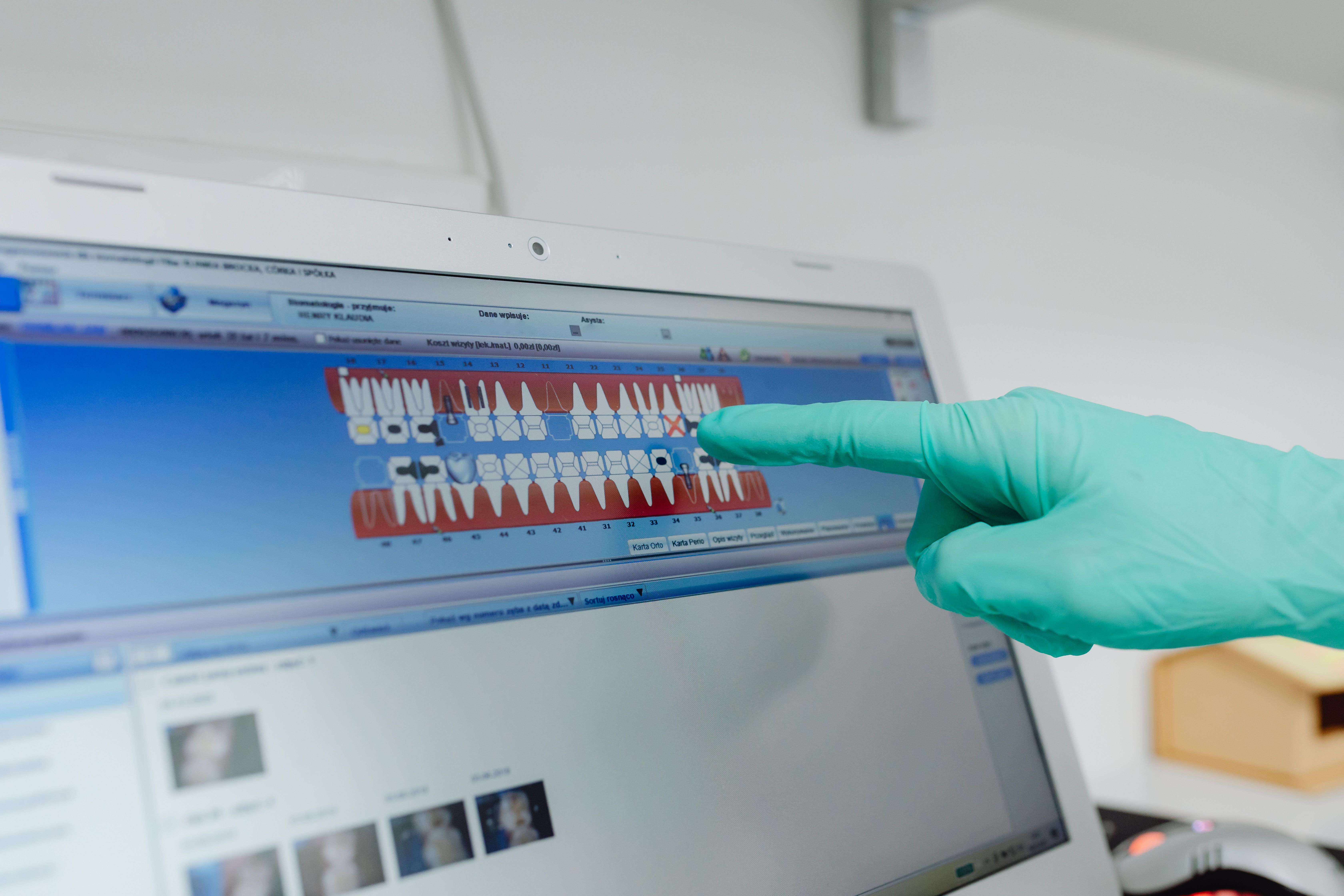
Digital forms and patient intake matter for efficiency at the front desk. A well-designed digital intake workflow reduces chair-side data entry, speeds up check-in, and improves the accuracy of the patient records your clinical team is working from. Verify that forms support e-signatures, that storage is HIPAA-compliant, and that form data actually prefills into the relevant patient record fields rather than being submitted as a separate attachment.
Dental imaging software compatibility is a non-negotiable verification step. Confirm that your existing scanners and imaging systems are compatible with the platform you are evaluating. Ask for a live test of image access speed within the PMS, and confirm that images can be exported in DICOM or other industry-standard formats. Imaging bridges vary significantly in how cleanly they work in practice, and this is one of the areas where a demo environment can look better than the real-world experience.
Data ownership and exit planning should be addressed in the contract, not assumed. Ask in writing for the export formats available, how long data delivery takes after termination, and which clinical records migrate cleanly if you leave. This is the most common switching-cost trap dental practices encounter: discovering after signing that their patient data is effectively held by the vendor because exporting it is prohibitively difficult.
What This Means for Staffing
Software choice and staffing decisions are more connected than most practices realize. When a dental office runs on common, well-documented platforms, temporary dental professionals can get up to speed faster. Temp hygienists and assistants who have worked in practices running Dentrix, Curve Dental, or Open Dental have usually encountered those systems before and need minimal orientation on the basics. A practice running a highly customized or obscure platform may need to build more onboarding time into every temporary placement.
Kwikly places experienced dental hygienists, dental assistants, and front office professionals in practices across the country. When your scheduling system, patient communication tools, and clinical charting are set up cleanly, those placements go more smoothly for everyone.
Fill Your Open Shifts With Kwikly
FAQ
What is the most commonly used dental practice management software?
Dentrix, Eaglesoft, and Open Dental have historically had the largest US market share. Among cloud-based platforms, Curve Dental is the most widely used. Dentrix is common in independent practices, while Denticon is more common in multi-location DSOs.
What is the difference between cloud-based and server-based dental software?
Server-based software stores data on an in-office server and requires the practice to manage updates, security, and backups. Cloud-based software stores data on vendor-managed servers, is accessed through a web browser, and includes updates, security, and backups.
How much does dental practice management software cost?
Costs vary by platform, number of providers, and features. Cloud software usually charges a monthly per-provider subscription, while server-based systems often require an upfront license plus ongoing support. Be sure to factor in add-ons like imaging, patient communication, and support.
Can I switch dental software without losing patient data?
Usually, yes, but migration depends on both platforms. Some vendors limit data exports, so confirm in writing which records, treatment plans, and imaging files can be transferred before signing a contract.
What features should dental software include for patient communication?
Look for automated appointment reminders, two-way messaging, online scheduling, and HIPAA-compliant digital intake forms. Patient portals, reputation management, and integrated payments help support the full patient communication workflow.