Table of contents
Get Started with Kwikly
Get the latest updates, insights, and exclusive content delivered straight to your inbox.
Key Takeaways
- You need to understand the real financial picture of hiring a dental hygienist – it's not just about salary, there are benefits and office space to think about too.
- Whether you choose full-time or part-time should depend on what your practice actually needs, plus what works for your team's work-life balance and happiness.
- Using specialized staffing agencies and the right job boards can save you tons of time and help you find qualified dental hygienists without all the headaches.
Who This Article Is For
- Dentists and practice owners hiring their first dental hygienist or expanding their team
- Office managers who handle recruiting, interviewing, and onboarding clinical staff
- Practices deciding between full-time, part-time, or temp hygienist coverage
- Clinics looking to control costs while still offering competitive pay and benefits
- Dental teams exploring staffing agencies or platforms like Kwikly to fill open shifts efficiently
Looking to learn how to hire a dental hygienist? You’re in the right place. We’ll walk you through the costs, whether you should go full-time or part-time, and what qualifications really matter. Don’t worry – we’ll make this hiring process way easier than you think.
Read on to explore the different aspects of hiring a dental hygienist and discover what you need to know before making your decision.
Understanding the Costs of Hiring a Dental Hygienist
Here’s the thing – hiring a dental hygienist costs more than you might think at first glance. Sure, there’s the salary, but that’s just the beginning. If you want to make smart hiring decisions, you need to know what you’re really getting into. Here’s what you’re looking at:
- Salary – yeah, this one’s obvious, but it’s usually your biggest expense
- Health insurance and benefits can add anywhere from $3,000 to $5,000 per year for each employee, including your dental hygienists
- Competitive compensation packages with health benefits and retirement plans – these aren’t just nice-to-haves if you want to keep good people around
And here’s something a lot of practice owners don’t think about – the physical office space for an in-house dental hygienist runs around $5,000 annually. Every healthcare organization, including dental practices, must account for these expenses in its annual budget to ensure accountability and quality assurance. High turnover in dental practices can really hurt your wallet, too, between recruitment costs, training time, and lost productivity. Scheduling dental hygienists for a few days per week can help manage costs and provide staffing flexibility.
When you know the complete financial picture, you can make decisions that actually make sense. Competitive salaries, solid benefits, and proper office space – they all matter when you’re trying to hire the right dental hygienist without breaking the bank.
Full-Time vs. Part-Time Dental Hygienists: Which is Better?
This decision can really change how your practice runs, so let’s break it down. If you’re thinking about full-time dental hygienists, here’s what they bring to the table:
- They get a guaranteed income, which means less financial stress compared to part-time folks
- They can build real relationships with your team
- They feel like they’re actually part of something, not just dropping in
Full-time positions usually come with the good stuff – health insurance, paid leave, things you can’t really offer part-time people. But here’s the flip side: sometimes that full-time consistency can get a little monotonous, and burnout becomes real when people are dealing with demanding work and limited time off. That can mess with job satisfaction pretty quickly.
Part-time and freelance hygienists? They’ve got more flexibility with their schedules and can work at different practices, which keeps things fresh. Many part-time roles involve working only a few days per week, offering flexibility for the hygienist and cost savings for the practice. Plus, part-time hygienists often get higher hourly rates since they’re missing out on those benefits.
Bottom line: whether you go full-time or part-time should depend on what your practice actually needs and what kind of work-life balance you want to offer your people.
Types of Dental Hygienists and Their Specialties
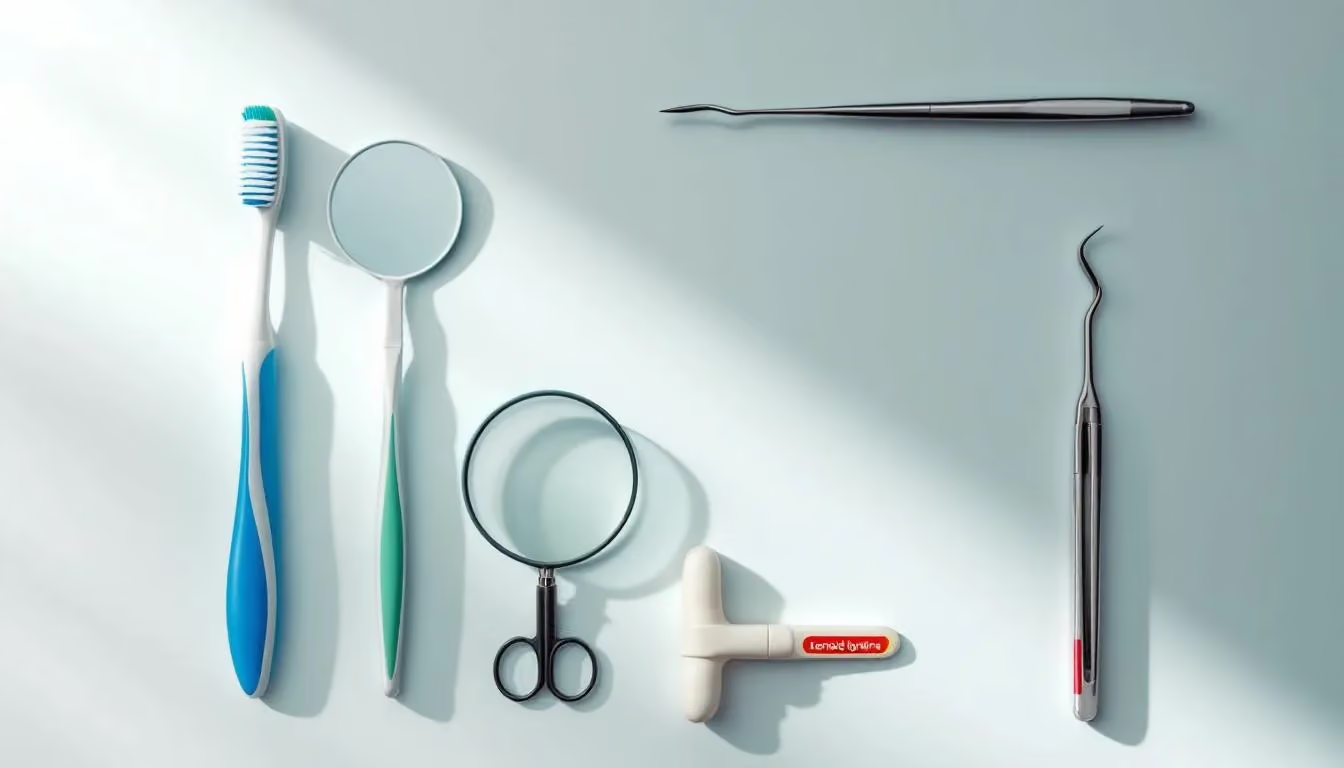
Dental hygiene is a pretty diverse field with all sorts of specialties, and each one brings something different to the table when it comes to patient care. If you’re thinking about periodontic dental hygienists, these are the folks who focus on treating gum diseases and doing procedures like scaling and root planing. You really can’t underestimate how essential these specialists are for maintaining oral health and preventing conditions like gingivitis from worsening.
Then you’ve got orthodontic dental hygienists who specialize in dealing with misaligned teeth and jaws, using braces and aligners to get everything straightened out. Endodontic hygienists are the ones who jump in on root canal treatments and handle all the dental pulp issues. Their know-how is crucial for saving a tooth that might otherwise need to come out, and you’ll often see dentists working hand-in-hand with hygienists on these procedures.
Prosthodontic specialists focus on restoring and replacing missing teeth, and they’re always coordinating with other dental professionals to ensure patients receive comprehensive care. Dental hygienists who work in oral and maxillofacial surgery help get patients ready and manage instruments during surgical procedures. Dental hygienists often work as part of multidisciplinary teams, collaborating closely with dentists and other specialists to provide comprehensive patient care. Each of these specialties really boosts what dental hygienists bring to the practice, and it means patients get more tailored care.
Where to Find Qualified Dental Hygienist Candidates
Finding the right candidate for your dental hygienist position can feel pretty overwhelming, but if you know where to look, you can make the whole process a lot smoother. Lots of staffing agencies specialize in dental placements, so they make sure candidates meet the specific professional qualifications you need in dental settings. These agencies often offer on-call support, too, which means you can fill shifts quickly when you’re in a pinch. Staffing agencies help practices quickly identify the most suitable candidates for their open positions. If you need help, think about how to hire a dental hygienist temporary staffing to boost your team and hire a dental hygienist.
Specialized dental staffing agencies connect your practice with candidates who’ve already been screened, so you save time and effort. Professional networks are also solid resources for getting referrals and recommendations when you’re hunting for dental hygienists. These networks are valuable for connecting with top dental talent. These networks give you real insight into candidates’ reputations and work ethics, including:
- Referrals
- Recommendations
- Insight into candidates’ reputations
- Insight into candidates’ work ethics
Targeted job boards that focus on healthcare can pull in candidates who are specifically looking for dental hygienist roles. Posting jobs on specialized platforms increases visibility and helps attract qualified applicants. You can also use social media platforms to reach more people and connect with potential applicants. Getting qualified candidates is crucial for delivering high-quality patient care and keeping your dental practice running smoothly.
Key Skills and Qualifications to Look For
When you’re hiring a dental hygienist, it’s crucial to find the right person with these essential skills and qualifications:
- Attention to detail makes sure they can evaluate patients accurately and perform procedures correctly.
- Strong motor skills are vital since they’re working with tiny instruments in tight spaces.
- Visual and auditory observation skills help them spot patient conditions and respond to equipment signals.
Key skills for dental hygienists include:
- Organizational and time management skills enable them to handle multiple patient appointments without breaking a sweat.
- Communication abilities are vital for connecting with patients and team members.
- Collaboration, since dental hygienists are always working alongside dentists and other healthcare professionals.
Key skills that matter for patient care include:
- Empathy and compassion are vital for dealing with patient fears and concerns.
- Critical thinking skills help them assess what patients need and figure out the right treatment plans.
- Excellent customer service and interpersonal skills, which play a crucial role in building positive patient relationships.
Crafting an Effective Job Description
A solid job description is really the cornerstone of your hiring process. You can create a customized job description to attract the best candidates for your practice. It should clearly spell out the essential duties and specific requirements for the role. When you include specific qualifications, like certification and experience requirements, it helps streamline your hiring process.
To make your job descriptions better and attract the right candidates:
- Highlight how important patient care and communication skills are.
- Emphasize the work environment and team dynamics to make the position more appealing.
- Use clear and straightforward language to make sure everyone understands and to attract a broader range of applicants.
Best Practices for Interviewing Dental Hygienist Candidates

Good interviews help you find candidates who'll actually work well in your dental practice. You want to include the real job duties, what they'll be responsible for, and the skills they need in your job posting. That way, you'll get people applying who actually make sense for the role. Those ready-made lists of dental hygienist interview questions with sample answers? They're pretty helpful for figuring out who's worth hiring.
You're looking for people who know their stuff when it comes to dental hygiene, can handle basic dental procedures, and won't make your patients want to run for the hills. When you're talking to candidates, you can get a good feel for what they know and how they'll handle working with your practice and keeping patients happy.
Good interviews and background checks make sure you're getting someone who fits what your dental office actually needs.
Managing an Open Position
Managing an open position for a dental hygienist? It's all about getting strategic and staying organized from day one. You've got to start with a solid job description that spells out exactly what you're looking for. We're talking essential qualifications, skills, and experience. Make sure you include the basics like a bachelor's degree in dental hygiene, current certifications, and whatever specific experience your office needs. Don't forget to highlight how crucial dental hygienists are for preventive care, patient education, and keeping your patients happy.
When you're ready to post that job, you'll want to use targeted keywords like "dental hygienist temporary staffing" and "dental hygiene" so the right people actually find your listing. Try posting on specialized job boards and tap into your professional networks. Here's the thing - a lot of dental hygienists want flexible work arrangements these days, so if you can offer part-time or adjustable schedules, you're going to attract better candidates.
Want to make your life easier? Consider partnering with a temp agency or staffing firm that knows dental professionals inside and out. These guys can handle background checks, skills assessments, and even short-term placements if you need someone fast. It's a straightforward way to make sure you're only talking to candidates who actually meet your requirements and can deliver great patient care.
During interviews, focus on what really matters - can they deliver high-quality dental services? Do they get oral health best practices? Have they worked in dentists' offices before? Look for strong communication skills, someone who's committed to preventive care, and who can work well with your team. It's not complicated, but it's important.
Once you've picked your new hire, don't skip the onboarding process. Introduce your dental hygienist to how your office runs, give them hands-on training, and make sure they feel supported as they get settled. This isn't just nice to have - it helps your new team member succeed and keeps things smooth for your patients and staff.
Take a thoughtful, step-by-step approach to filling that position, and you'll end up with a qualified professional who can make a real difference in your practice. The right dental hygienist will help prevent oral diseases like plaque and gingivitis, educate your patients on keeping their teeth and gums healthy, and contribute to your office's overall success. With some careful planning and the right resources, you can build a team that delivers exceptional care and keeps your patients coming back.
Onboarding Your New Dental Hygienist

When you're bringing on a new dental hygienist, there are different costs and adjustments you'll need to think about. You're looking at around $1,300 on average for training materials and resources. And here's the thing - you might end up spending about $13,000 in total costs for each turnover cycle of a dental hygienist, including recruitment and the productivity you'll lose along the way.
Your new hire's going to need a productivity ramp-up period that can last anywhere from 3 to 6 months, and that's going to cost you an estimated $4,200 in lost productivity. But here's the good news - if you set up a structured onboarding program with mentorship, you can really help your new hires adjust better and stick around longer.
Utilizing Temporary Staffing Solutions
Temporary staffing solutions like Kwikly can really change the game for your dental practice. These platforms help you keep your productivity up when you’re dealing with staff shortages or those crazy busy periods. They give you the flexibility you need, so you can scale your workforce based on how many patients you’re seeing.
Kwikly gives you access to the biggest pool of vetted hygienists and assistants in the country, so you can easily hire staff for your open shifts. They offer a 100% satisfaction guarantee on all shifts, which makes them a solid choice when you need a temp agency for your staffing needs.
Temporary staffing solutions are widely used across various industries, including dental care, to address fluctuating staffing needs.
Ensuring Satisfaction and Retention
If you want your practice to succeed long-term, you've got to keep your dental hygienists satisfied and make sure they stick around. Your candidates need to understand what they're worth and negotiate for fair pay and benefits when they're interviewing. When you assign a mentor from the same professional level, it really helps new hires adjust to their roles more effectively.
You want to encourage your new employees to ask questions and make sure they feel comfortable doing it. It's crucial. If you schedule some informal review sessions after a few months, you can spot any knowledge gaps or areas that need more clarification.
Your long-term employees are going to enhance patient care through the relationships they've built and better team communication, and that benefits everyone involved.
Summary
When you're hiring the right dental hygienist, you need to understand the costs, decide between full-time and part-time roles, recognize the different specialties out there, and know where to find qualified candidates. You'll want to craft an effective job description and conduct thorough interviews - these are crucial steps in your hiring process. Onboarding and using temporary staffing solutions can help make sure everything goes smoothly when they join your practice.
If you focus on satisfaction and retention through fair compensation, mentorship, and regular reviews, you can set your dental practice up for long-term success. When you follow these essential tips, you'll find the best fit for your team and enhance the quality of care you're providing to your patients.
Frequently Asked Questions
Is it worth paying for a dental hygienist?
Yes, paying for a dental hygienist is definitely worth it. Regular visits can prevent those costly advanced dental procedures through essential preventive care and catching problems early. This approach saves you both time and money in the long run.
What are the additional costs involved in hiring a dental hygienist?
When you're hiring a dental hygienist, you'll have additional costs like health insurance and benefits, which typically range from $3,000 to $5,000 annually, plus office space expenses that average around $5,000 per year. You'll want to factor in these expenses when you're budgeting for their employment.
Should I hire a full-time or part-time dental hygienist?
If you hire a full-time dental hygienist, you'll get stability and benefits for your practice. A part-time hygienist gives you flexibility but might command higher hourly rates. Your decision should really align with what your specific practice needs and your patient demand.
Where can I find qualified dental hygienist candidates?
You can find qualified dental hygienist candidates through dental staffing agencies, professional networks, job boards, and social media platforms. When you use these resources, you'll significantly increase your chances of finding suitable applicants.
What skills and qualifications should I look for in a dental hygienist?
When you're considering a dental hygienist, you want to prioritize candidates with strong attention to detail, excellent motor skills, effective communication abilities, empathy, and critical thinking. These skills are crucial for delivering quality patient care.