Table of contents
Get Started with Kwikly
Get the latest updates, insights, and exclusive content delivered straight to your inbox.
Key Takeaways
- The median dental hygienist salary in 2024 is $94,260 annually, while the average sits at about $78,343. Your actual pay depends on things like experience, where you went to school, and where you decide to work.
- Where you work makes a huge difference in your paycheck. States like Alaska and California offer some of the best salaries, and if you're working in private practice, you'll probably make more than in public health settings.
- Job growth for dental hygienists looks pretty good - we're talking 11% from 2020 to 2030. More people want preventive dental care, which means more opportunities for you.
Who This Article Is For
- New or aspiring dental hygienists wanting clear salary expectations
- Working hygienists comparing pay across states, experience levels, and workplaces
- Students deciding if dental hygiene is the right career based on earning potential
- Hygienists looking for ways to increase their salary through skills, certifications, or relocation
- Anyone researching the job outlook, market demand, and long-term income trends in dental hygiene
So you're wondering how much a hygienist makes? Here's the deal - dental hygienists in the U.S. earn around $78,343 per year on average. This guide breaks down how your paycheck can change based on where you work, your experience, and your education. Let's dive into what you can really expect in this field.
Overview of Dental Hygienist Salaries
As of May 2024, you’re looking at a median dental hygienist salary of $94,260 annually, or about $45.32 per hour. The median wage represents the midpoint of earnings for the occupation, meaning half earned more and half earned less, according to the Bureau of Labor Statistics. Not bad, right? This reflects how important you are in keeping people’s teeth and gums healthy. The BLS also reports strong employment trends and positive job prospects for dental hygienists, highlighting the demand for this occupation. But here’s the thing - your salary can swing pretty wide depending on a few key factors.
The average salary across the United States is around $78,343. Think of this as the middle ground - plenty of hygienists make more, and some make less, all based on their specific situation. If you’re in the bottom 10 percent, you might be earning less than $66,470, but if you’re in the top 10 percent, you could be pulling in over $120,060. These figures reflect what workers in the occupation earned, and the median wage is a key measure used by the BLS to describe earnings within the occupation. These numbers show you just how much your circumstances can affect your paycheck.
As a dental hygienist, you’re a crucial part of any dental team. While the dentist is the primary oral health provider, dental hygienists play a crucial supporting role. You work right alongside dentists to make sure patients’ teeth and gums stay healthy. Dental hygienists perform procedures such as cleanings and examinations, documenting findings that help determine the patient’s oral health status. Your skills in periodontics and other dental hygiene areas are what help prevent and treat oral health problems, and your work is essential in maintaining the health of the mouth, which is a gateway to overall health.
We’ll keep exploring what affects your salary and break down the state-by-state numbers so you get a clearer picture of what you can expect to earn in this field.

Factors Influencing Dental Hygienist Salaries
Your salary as a dental hygienist can vary quite a bit based on things like your education, how much experience you have, where you work, and what kind of place you work in. Most dental hygiene programs have prerequisites, such as courses in biology and chemistry, that must be completed before enrollment. Understanding these factors is key to navigating your career and getting the most out of your earning potential.
Your educational background, experience level, and workplace all play a part in how much you’ll make. Completing a dental hygiene program at a university or accredited institution, which typically takes about two to four years, is essential for entering the field. Anatomy is a fundamental subject in dental hygiene education, providing essential knowledge for understanding oral structures. It’s also important to continue learning and developing new skills throughout your career to stay current and advance professionally. Additionally, the cost of living in different areas can impact your earning potential as a dental hygienist. Let’s break down how each of these affects your dental hygienist's salary.
Experience and Education for Dental Hygiene
Experience is a big deal when it comes to your salary in dental hygiene. If you're just starting out with less than a year of experience, you're probably looking at somewhere between $50,000 and $60,000 annually. But here's the good news - as you gain more experience, your earnings tend to go up too. It's all about showing your growing expertise and value.
Having advanced educational qualifications can really boost your earning potential. If you've got a bachelor's degree or something even more advanced, you'll often see higher salaries. Getting specialized certifications in areas like periodontics or advanced clinical practice can bump up your earnings even more. These show you've got a higher level of expertise and you're serious about your profession.
The educational requirements for dental hygienists are stricter than those for some related jobs. While dental assistants might only need a high school diploma, you typically need an associate degree in dental hygiene and state licensure. This extra education and licensing process makes sure you're well-prepared to give top-notch care to your patients, and it's part of why you can command higher pay.
Geographic Location
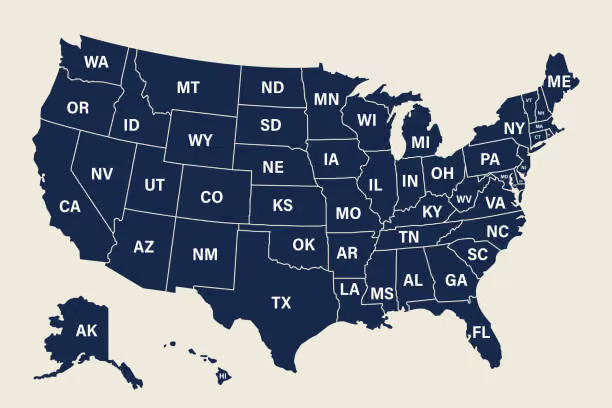
Where you work can make a huge difference in your salary. In California, dental hygienists earn an average of about $103,000, and if you’re in metropolitan areas like San Francisco, you could potentially earn 30% to 47% more than the national median. Wisconsin (WI) is also known for offering competitive dental hygienist salaries, and cities such as Columbia are recognized for strong demand and notable pay in the field. That’s a pretty clear example of how location can seriously influence your earnings.
Urban areas generally pay better than rural spots. This makes sense when you think about it - cities have higher costs of living and more demand for dental services. The cost of living in states like California and New York, and even in cities like Columbia, can significantly affect your take-home pay. So where you choose to live and work can really shape your overall earning potential as a dental hygienist.
Workplace Setting
Where you work matters a lot for your salary. Private practices generally pay more than public health settings because they're more profitable and have different business models. Specialty clinics, especially in areas like cosmetic dentistry, often pay dental hygienists higher rates compared to general practices.
Larger practices or hospital settings tend to offer better compensation than smaller clinics. Plus, many dental hygienists work part-time, and some work for multiple dental offices to maximize their earnings. The flexibility you get in private practices can be great if you're looking for a good work-life balance.
The type of dental practice or clinic you choose can really affect your salary in different ways. Knowing these details can help you make smart decisions about where to work and how to negotiate better pay.
Detailed Salary Breakdown by State
Dental hygienist salaries can vary quite a bit depending on where you are in the United States. Alaska takes the top spot with dental hygienists earning an average annual salary of $115,510. California comes in second with an average of $108,200 per year. Washington also offers competitive pay at $106,200 annually. These numbers show you there are some really lucrative opportunities out there if you're willing to consider location.
Here's what dental hygienists are making on average in various states:
- Oregon: $94,420
- Maryland: $89,340
- New York: $83,600, which reflects the high demand for dental services there
- Florida: $73,180, which is below the national average but still gives you a comfortable income
On the lower end, dental hygienists in Mississippi earn an average of $57,670 annually, and those in Kentucky make around $61,500. These differences really highlight why you need to think about geographic location when you're considering potential salaries in dental hygiene. The Bureau of Labor Statistics gives you comprehensive data on these variations, including median annual wages, so you can make informed decisions about your career.
Comparison with Related Occupations
When you look at dental hygienists compared to similar jobs, it’s clear you generally earn more. Dental hygienists have an average annual salary of about $89,066, which is significantly higher than the $65,888 that dental assistants make. According to the BLS, the median annual wage for each occupation shows what the typical worker in that occupation earned, based on data collected from workers across the country. However, dental hygienists typically earn about half as much as dentists, highlighting the salary disparity within the dental profession. This difference reflects the additional responsibilities and more complex tasks you handle as a hygienist.
Both positions need similar skills, like attention to detail and good communication, but you, as a dental hygienist, have more extensive training and education. This higher level of expertise and the critical role you play in patient care justify your higher compensation.
Job Outlook and Career Growth
The demand for dental hygienists is growing, with job growth projected to hit about 11% from 2020 to 2030, matching that of dental assistants. This growth comes from people putting more emphasis on preventive dental care and the expanding need for dental services.
How much demand there is for dental hygienists' services compared to the supply really affects your salary and job prospects. With more people seeking regular dental care, the demand for skilled dental hygienists grows, giving you plenty of opportunities for career advancement and increased earnings.
Specializations and Certifications for Dental Hygienists
If you're thinking about taking your dental hygiene career up a notch, getting some specializations and certifications under your belt can really change the game when it comes to how much you make and how much you actually enjoy your job. A lot of dental hygienists decide to focus on things like periodontics, orthodontics, or working with kids, and it's not just about offering more specialized services – it can seriously bump up your paycheck too.
The Bureau of Labor Statistics backs this up. When dental hygienists put in the time for specialized training and certifications, they usually see their paychecks get a nice boost. Take periodontics, for example – dental hygienists working in that area can pull in around $95,000 a year on average. If you're more into working with kids and go the pediatric dental hygiene route, you're looking at average salaries near $90,000. Pretty clear how building up your expertise can directly hit your bank account in a good way.
You've also got certifications in stuff like local anesthesia, nitrous oxide sedation, or dental hygiene education that are really popular with dental hygienists who want to stand out from the crowd. Organizations like the American Dental Hygienists' Association (ADHA) offer these credentials, and they show that you're serious about giving top-notch care and keeping your skills fresh. When you stay on top of what's new in dental hygiene, you're not just making yourself better at what you do – you're also setting yourself up for more opportunities to move up and earn more.
Whether you're just getting started or you've been at this for a while and want to level up, looking into specializations and certifications is a smart call for any dental hygienist who wants to get the most out of their career and salary.

Building In-Demand Skills for Career Advancement
If you're a dental hygienist looking to stay competitive and boost your salary, you've got to build skills that go way beyond the basics. Sure, having a strong foundation in clinical practice is important, but the dental hygienists who really succeed? They're the ones who keep up with what's new, what's changing, and what's working in the industry.
You need to keep learning—whether that's taking formal courses, going to dental conferences, or joining professional organizations. These aren't just nice-to-haves. They're how you stay ahead of changes in dental services and make sure you're always giving your patients the best care possible. A lot of dental hygienists find that learning about business management, marketing, and how to communicate effectively can open doors to leadership roles. Some even end up running their own dental hygiene practice.
Your hourly wage and what you make each year will depend on where you work, who you work for, and how much experience you have. But here's the thing—developing different skills is one of the best ways to increase what you can earn. According to the BLS, dental hygienists made a median annual wage of $80,000 in May 2020, and the top 10% earned over $100,000. When you focus on building your skills and go after advanced education or certifications, you're setting yourself up for higher salaries and better job opportunities.
You can find rewarding work in all kinds of places—private dental offices, hospitals, and community clinics. Areas where there's high demand for dental services, like Washington, D.C., often have even better opportunities for you to grow your career. When you keep building your skills and stay on top of industry trends, you'll be ready to advance your career and hit those professional goals you've set for yourself in dental hygiene.
Additional Resources for Prospective Hygienists
If you're thinking about a career in dental hygiene, several resources can help you get started. All states require dental hygienists to be licensed, so you'll need to meet the necessary professional requirements. The National Board Dental Hygiene Examination gives you essential guidelines for applying for licensure.
The American Dental Hygienists' Association (ADHA) offers valuable information about educational standards for dental hygiene programs and publishes research that helps practitioners learn and develop their knowledge base.
You'll typically need an associate degree in dental hygiene, which generally takes about three years to complete. These resources are essential if you're looking to enter or advance in the dental hygiene field.
Working with Kwikly
Kwikly is the leading dental staffing platform in the United States, connecting dental professionals like you with offices that need staffing. Our platform lets you easily find job shifts that fit your skill set and schedule, whether you're looking for part-time work or additional hours to boost your income. If you need help, just reach out to us.
One of the best things about Kwikly is our same-day pay option through Kwikly Wallet - you get quick access to your earnings. Here's how it works:
- You sign up on the Kwikly platform
- Complete a short vetting process
- Start picking up shifts that fit your availability
- We operate nationwide in all major metropolitan areas
- You get flexibility and convenience for rewarding job opportunities
Kwikly shows our commitment to your satisfaction with a 100% satisfaction guarantee on all shifts, making sure you and the offices are happy with the services provided. This makes Kwikly an excellent choice if you're looking to maximize your earning potential and work on your own terms.
Summary
When it comes to dental hygienist salaries, you'll find they're influenced by various factors like your experience, education, where you work geographically, and what kind of workplace setting you choose. Understanding these factors can help you navigate your career and maximize your earnings. The detailed salary breakdown by state gives you valuable insights into where you might find the most lucrative opportunities.
The job outlook for dental hygienists looks promising, with significant growth expected in the coming years. Resources like the National Board Dental Hygiene Examination and the American Dental Hygienists' Association can help you get started or advance in this rewarding field. Platforms like Kwikly offer flexible job opportunities and quick access to earnings, making it easier for you to work on your own terms.
If you're considering a career in dental hygiene or looking to advance your current position, now is an excellent time to explore the possibilities and take advantage of the many resources available to you.
Frequently Asked Questions
What was the median salary for dental hygienists in 2025?
The median salary for dental hygienists in 2025 was around $94,260 annually. This works out to approximately $45.32 per hour, reflecting the ongoing demand and value you bring as a professional in the healthcare field.
How does geographic location affect dental hygienist salaries?
Geographic location plays a huge role in determining your salary as a dental hygienist. If you're in states like California, you could earn significantly higher averages of around $103,000, compared to those in rural areas who typically earn less. You'll want to consider regional variations when you're evaluating potential earnings in this profession.
What education is required to become a dental hygienist?
To become a dental hygienist, you typically need an associate degree in dental hygiene along with state licensure to make sure you meet professional standards.
How does Kwikly help dental hygienists?
Kwikly helps you by connecting you with job shifts that align with your schedule and offering same-day pay through the Kwikly Wallet. This gives you flexibility and convenience in your work.
What is the job outlook for dental hygienists?
The job outlook for you as a dental hygienist is promising, with expected job growth of approximately 11% from 2020 to 2030. This reflects increasing demand for your services and aligns with trends in the dental industry, ensuring a stable career path for practitioners like you.