Table of contents
Get Started with Kwikly
Get the latest updates, insights, and exclusive content delivered straight to your inbox.
Who This Article Is For
- Dental hygienists starting their job search and wanting clear, practical guidance
- New graduates figuring out licensing, certifications, and where to find real job opportunities
- Hygienists returning to the field and needing an update on modern hiring trends
- Professionals exploring flexible work through staffing platforms like Kwikly
- Anyone who wants a smarter strategy for finding the right dental hygiene role
Key Takeaways
- Getting your licensure, education, and certifications right is pretty much non-negotiable if you want to work legally and do well in this field.
- A smart job search means using job boards, connecting with people in the industry, and checking out staffing platforms like Kwikly to find positions that actually fit what you're looking for.
- Continuing education isn't just a box to check—it keeps your license active, makes you better at what you do, and helps your patients get better care. Plus, there are programs out there to help with the cost if you're worried about money.
Looking for dental hygienist jobs? You're definitely not alone in this. This guide covers everything you need to know, from getting your license sorted to finding the right job boards and making connections that actually matter. Let's get you on track to land your next dental hygienist position.
Understanding Dental Hygienist Requirements
Before you start applying for jobs, you need to understand what it takes to become a dental hygienist. These aren't just random rules—they make sure you can give patients the care they deserve. You'll want to focus on getting licensed, your education sorted, and any certifications you need.
Meeting these requirements isn't just about following the law. It's about making sure you're ready to succeed when you get that job. Each piece, from your license to extra certifications, shapes how your career in dental hygiene is going to go.

Dental Hygiene Licensure
Every state requires you to have a license to work as a dental hygienist, and that means passing both national and state exams. Most places won’t even let you take the licensing exam unless you’ve graduated from an accredited dental hygiene program.
The licensing process usually involves passing the National Board of Dental Hygiene exam and then a regional or state clinical exam. It sounds like a lot, but it’s how we make sure dental professionals know what they’re doing and can keep patients safe. Once you’re licensed, you’ll need to keep up with continuing education to stay current with new practices and technology.
Your license shows that you know your stuff and that you’re serious about providing quality dental care. When you stay on top of state regulations and keep your license current, you’re showing everyone that you care about the profession and your patients.
For more detailed information on licensure requirements, you can consult an authoritative source such as O*NET.
Education
You’ll need at least an associate’s degree to work as a dental hygienist, and here’s what that looks like:
- You can get it from a community college or technical school
- It usually takes 2-3 years to finish
- You’ll get both classroom learning and hands-on clinical training
Some dental hygienists choose to pursue a bachelor's degree in dental hygiene or a related field. Earning a bachelor's can open up advanced opportunities, such as roles in research, teaching, or public health.
This education gives you everything you need to teach patients, handle clinical procedures, and focus on preventive care. The programs cover stuff like anatomy, periodontology, and radiography, so you’re ready to jump in and help the dental team right away.
Education in dental hygiene is really about getting the skills to help people stay healthy. The more you learn and grow professionally, the better you’ll be at what you do.
Certifications
Besides your license, you'll probably need some specific certifications depending on where you want to work. CPR certification is pretty much a must-have because you need to be ready if there's an emergency.
Some dental hygienists go for additional certifications in areas like public health or education after they finish their degree. These can open up new opportunities and show that you're committed to growing professionally.

Finding the Right Dental Hygienist Job
Finding the right dental hygienist job takes more than just sending out applications and hoping for the best. You want to be strategic about it—use job boards, network with people in the field, and check out staffing platforms. When you combine these approaches, you're way more likely to find something that actually fits your skills and what you want from your career.
The key is to explore different ways to find opportunities so you don't miss anything good. This keeps you in the loop about new job postings and helps you connect with people who matter in the dental world.
Job Boards
Job boards are your go-to for finding dental hygienist opportunities. The popular ones include:
- Indeed
- Glassdoor
- DentalPost These sites let you search using specific keywords and filters, so you can actually find positions that make sense for your qualifications and what you're looking for.
Using multiple job boards really increases your chances of finding dental hygiene openings. These platforms bring all the job listings together in one place and often include reviews and salary info to help you make smart decisions.
Networking
Networking is huge when you're job hunting. When you connect with other dental professionals, you might hear about jobs that never get posted publicly, and you can build relationships that lead to referrals. Building real connections in the dental field can seriously boost your job prospects and give you insights into potential employers.
Going to dental conferences, joining professional associations, and participating in online forums are great ways to expand your network. These connections keep you informed about what's happening in the industry and can open doors to new opportunities.
Staffing Platforms
Staffing platforms like Kwikly connect dental professionals with both temporary and permanent job opportunities. These platforms give users the ability to easily find, book, and communicate with employers or offices, streamlining the staffing process. Kwikly makes sure dental offices get matched with qualified professionals, so you can feel confident about the quality of the placements.
Kwikly thoroughly checks out job opportunities to make sure they meet quality and professionalism standards. This means you’re more likely to find positions in reputable offices with good work environments.
Benefits of Working with Kwikly
Working with Kwikly comes with a lot of perks for dental professionals who want flexible and reliable job opportunities. Kwikly offers both temporary and permanent placements, making the whole hiring process smoother and helping professionals find positions that actually work for their needs.
Kwikly’s dedicated team supports dental professionals and ensures a comfortable work environment, so you can focus on delivering excellent care. Kwikly also provides valuable resources and clear information to help professionals succeed in their roles.
Kwikly’s platform is built to support dental hygienists and dental assistants with flexible scheduling, same-day pay, and thoroughly vetted opportunities. These features make it easier to manage your career and get a healthy work-life balance.
Flexible Scheduling
Kwikly lets dental hygienists create work schedules that actually fit their lives with these features:
- You can choose your workdays and hours
- You have complete control over your schedule
- The flexibility works whether you want part-time, full-time, or seasonal positions
Dental professionals can sign up, go through a quick vetting process, and get instant access to open shifts in their area. This flexibility lets you customize your work-life balance the way you want it.
Same-Day Pay
Kwikly offers something called Kwikly Wallet, which lets dental hygienists get paid the same day they work. This gives you financial flexibility and makes sure you get compensated right away for your work. In addition, Kwikly offers competitive pay rates per hour for dental hygienists, ensuring you receive fair compensation for every hour worked.
The Kwikly Wallet offers competitive pay and same-day payouts, making it easier to manage your finances and plan for future expenses.
Vetted Opportunities
Kwikly's vetting process makes sure dental hygienists are qualified and professional. Peer reviews and office ratings keep standards high.
Dental offices get matched with vetted and experienced professionals who are ready to work, which means patients get high-quality care.
What to Expect in a Dental Hygienist Role
As a dental hygienist, you’ll have different responsibilities that all contribute to patient care and oral health. This includes scheduling patients, doing oral health assessments, and providing preventive treatments.
It is essential to treat patients with professionalism and confidentiality, ensuring their needs and information are handled with respect.
You’ll be working with the dental team and using modern technology to provide quality care. Understanding these parts of the job helps you get ready for the daily tasks and challenges you’ll face.
Patient Care
Patient care is really what the dental hygienist role is all about. Dental hygienists focus on preventive care, which includes cleaning teeth and teaching patients about oral hygiene. Your responsibilities include removing plaque and tartar, applying sealants, and educating patients on how to take care of their teeth properly.
You'll also do oral health assessments to spot issues and recommend preventive treatments. This focus on patient care helps improve overall dental health and prevents future problems.
Collaboration with Dental Team
Teamwork is crucial for providing quality dental care and getting good results. Dental hygienists work closely with dentists, dental assistants, and other staff to give patients comprehensive care.
A supportive work environment where dental staff can communicate openly leads to better patient outcomes and creates a positive atmosphere.
Use of Dental Technology
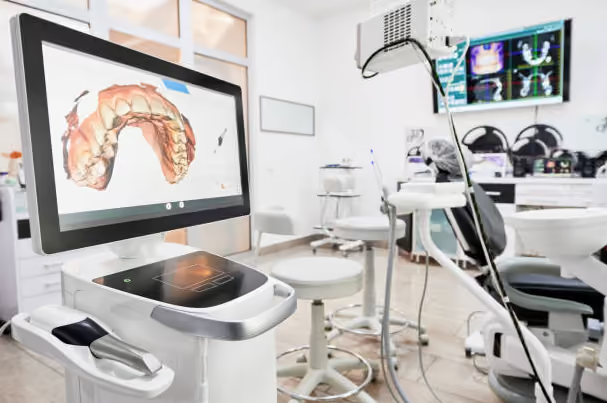
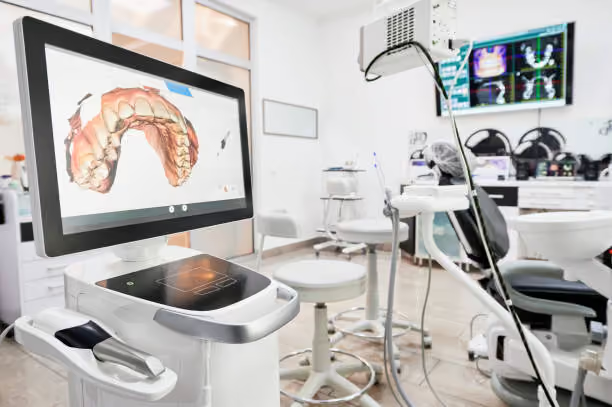
Modern dental technology is a big part of the dental hygienist role. Key technologies include:
- Digital x-rays
- Intraoral cameras
- CAD/CAM systems These tools make diagnosis more accurate and treatment more efficient. Dental hygienists often take X-rays to help dentists diagnose oral health issues. Staying current with the latest dental technologies is important for providing quality care.
Preparing for Dental Hygienist Interviews
Getting ready for dental hygiene interviews is really important for showing that you know what you’re doing and that you’re confident. Key steps include:
- Researching the dental practice
- Understanding the specific role you’re applying for
- Practicing responses to typical interview questions to help you talk about your skills and experiences effectively
- Preparing to discuss where you have worked and what you have learned from those experiences
Good preparation boosts your confidence and helps you succeed in the interview, giving you a valuable experience.
Common Interview Questions
Interviewers often ask about your greatest strengths and weaknesses to see if you're self-aware and right for the role. Getting ready for common interview questions is really important for dental hygienists to succeed in job interviews.
Answering questions about strengths and weaknesses requires some thoughtful self-reflection and honesty. Showing that you know yourself can really influence what the interviewer thinks of you.
Professional Presentation
Dressing professionally shows respect for the interviewers and the position you're applying for. Choose outfits that are traditionally accepted in the dental field, like a neat blouse or shirt with slacks or a professional dress.
Keep good posture, make eye contact, and use hand gestures effectively to show confidence. Non-verbal communication can really enhance your message and leave a lasting impression.
Follow-Up
Following up after an interview can reinforce your interest and leave a positive impression on potential employers. Sending a thank-you email within 24 hours shows gratitude and reinforces your interest in the position.
A timely follow-up can make you stand out from other candidates, showing your professionalism and enthusiasm for the job.
Continuing Education and Professional Development
Ongoing education is really important for dental hygienists to stay current with the latest practices and technologies in dental care. Continuing education helps you maintain your license, improves your career prospects, and helps you provide better patient care.
Many dental hygienists choose to pursue advanced degrees or additional certifications to move their careers forward. These educational pursuits show that you're committed to professional development and can open up new job opportunities.
Continuing Education Requirements
Most states require dental hygienists to complete a specific number of continuing education credits to keep their license. Typically, dental hygienists need to complete at least 24 hours of continuing education every two years. These requirements make sure that professionals stay knowledgeable about the latest advancements in dental care.
Meeting continuing education requirements doesn't just fulfill a regulatory obligation—it also improves your skills and keeps you competitive in the job market. Staying updated with new techniques and technologies lets dental hygienists provide better care and improve patient outcomes.
Professional Development Opportunities
Continuing education is really important for dental hygienists to keep their skills current and stay updated on the latest practices, which ultimately benefits patient care. Many dental hygiene programs and professional organizations offer workshops, seminars, and online courses to help meet continuing education requirements.
Besides formal education, networking with peers and participating in professional associations provide valuable learning opportunities. These activities improve your knowledge and expand your professional network, opening doors to new job opportunities and career growth.
Loan Repayment Assistance
There are different loan repayment programs available to dental hygienists to help ease the financial burden of further education. These programs can be a huge relief for professionals looking to advance their education or pay off their student loans.
Financial aid programs support dental hygienists in pursuing higher education and career advancement. Taking advantage of these programs lets dental hygienists continue their professional development without the added stress of financial constraints.
Summary
Navigating the job market as a dental hygienist means you need to understand licensure, education, and certification requirements inside and out. Using job boards, networking, and staffing platforms like Kwikly can really boost your job search. Kwikly offers flexible scheduling, same-day pay, and vetted opportunities, making it a valuable resource for dental professionals.
Getting ready for interviews and continuing your education are really important steps in advancing your career. By staying informed and being proactive, you can find the right job, do well in your role, and keep growing professionally. Embrace the journey, and you'll find success in the dynamic field of dental hygiene.
Frequently Asked Questions
What are the licensure requirements for dental hygienists?
To get licensed as a dental hygienist, you need to graduate from an accredited dental hygiene program and pass both national and state-specific exams.
How can I find dental hygienist job openings?
To find dental hygienist job openings, use job boards like Indeed, Glassdoor, and DentalPost, network with dental professionals, and check out staffing platforms like Kwikly. These strategies will really help your job search.
What is Kwikly Wallet, and how does it work?
Kwikly Wallet is a service for dental hygienists that lets them get paid the same day they work, giving you financial flexibility and prompt compensation for your services. It works by making immediate payment possible for completed work.
Why is continuing education important for dental hygienists?
Continuing education is really important for dental hygienists because it helps them maintain their license, stay informed about the latest dental practices, and improve their career advancement opportunities. This ongoing learning is essential for providing the best possible care to patients.
What should I do after a dental hygienist job interview?
After a dental hygienist job interview, you should send a thank-you email within 24 hours to express your gratitude and reinforce your interest in the position. This timely follow-up can set you apart from other candidates.