Table of contents
Get Started with Kwikly
Get the latest updates, insights, and exclusive content delivered straight to your inbox.
Key Takeaways
- Dental hygienists are the ones who keep your teeth healthy and teach you what you need to know - they're huge for preventing problems before they get expensive and painful.
- If you want to become one, you'll need to finish an accredited program, get your state license, and keep learning new stuff to stay sharp.
- The job outlook is solid, you'll make good money, and you can often work flexible hours - though you should know it's physically demanding and you'll deal with some not-so-pleasant stuff.
Who This Article Is For
- Students or career changers considering dental hygiene and wanting a realistic overview
- New hygienists who want clarity on duties, training, tools, and workplace expectations
- Anyone comparing dental assistant, dental hygienist, and dentist roles
- Patients curious about what hygienists actually do during cleanings and preventive care
- Professionals researching job outlook, salary expectations, and daily demands in the field
Role of a Dental Hygienist
What do dental hygienists do, and why should you care? If you're thinking about this career, you'll want to know that they focus on keeping your teeth healthy and teaching you how to take care of your mouth. This article gives you the real deal on dental hygienist facts - their day-to-day work, what school you'll need, job prospects, and the tools they use. Keep reading to get the full picture.
Dental hygienists are essential members of the dentistry field, working alongside dentists and dental assistants to provide comprehensive care. They are the backbone of any dental team, and they’re all about stopping problems before they start. While dentists do the big procedures and figure out what’s wrong, hygienists focus on keeping your mouth healthy, which means:
- Cleaning your teeth
- Teaching you how to take care of them
- Applying treatments that prevent cavities
- In some states, dental hygienists can administer local anesthetics to improve patient comfort during procedures. Their job is key to helping you keep your teeth and gums healthy, so you don’t end up needing major work later.
The main thing hygienists do is give you professional cleanings. They’ll scrape off the plaque and tartar you can’t get at home, polish your teeth until they shine, and put fluoride on them to fight cavities. Dental hygienists also remove plaque as part of their preventive care. These cleanings are what keep gum disease and cavities at bay, making sure you’re doing everything right with your dental care. They also take X-rays so the dentist can see what’s happening under the surface that you can’t spot during a regular checkup.
But cleaning isn’t all they do. Hygienists spend a lot of time teaching you how to take better care of your teeth. They’ll show you the right way to brush and floss, help you pick the best toothbrush and other products, and explain why you need to come in regularly. This teaching part is huge - it helps you stay on top of your oral health and avoid problems down the road.
Dental hygienists may also place and carve filling materials, such as temporary fillings and periodontal dressings, as part of restorative and periodontal care. In some states, they are permitted to remove sutures after certain dental procedures. When it comes to preventive treatments, dental hygienists apply cavity preventive agents, such as fluorides and sealants, to help prevent dental caries. The various tasks hygienists perform include patient education, clinical procedures, and assisting with dental treatments, making them vital to the overall dental care process.
Teeth Cleaning
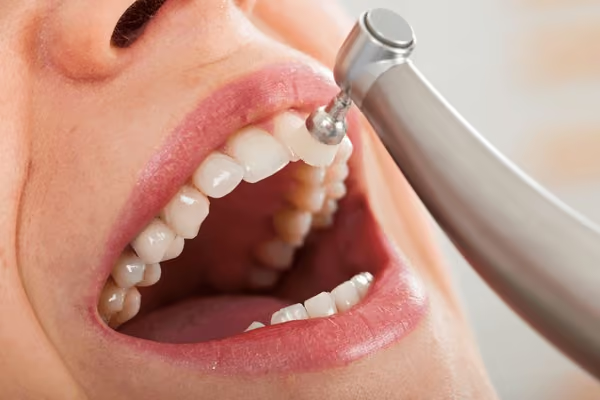
Getting your teeth cleaned is what most people think of when they picture a hygienist, and it’s a big part of what they do. You should be seeing your hygienist for cleanings at least twice a year if you want to keep your teeth and gums in good shape. When you come in, they’ll use different tools to get rid of the plaque and tartar that cause gum disease and cavities. Regular visits like these help you maintain healthy teeth by preventing decay and gum disease. They’ll also polish your teeth, which makes them smooth and harder for new buildup to stick to.
On top of cleaning, hygienists might put fluoride on your teeth to make the enamel stronger and protect against decay. They also put sealants on the chewing surfaces of your teeth, especially if you’re a kid, to prevent cavities in those hard-to-reach spots. These preventive treatments are what keep your mouth healthy for the long haul.
Patient Education
Teaching patients is a huge part of what hygienists do every day. They need to be good at talking to people so they can explain oral health stuff and treatment options in ways you’ll actually understand. Hygienists take time to show you how to clean your teeth better at home, and they’ll stress how important it is to brush right, floss regularly, and use the right products. They also help you select toothbrushes that best suit your oral health needs, ensuring you have the most effective tools for your care.
When hygienists teach you about your mouth, they’re giving you the power to take control of your oral health. They’ll give you personalized tips on keeping your teeth and gums healthy and avoiding common problems like cavities and gum disease. This teaching doesn’t just protect your teeth - it also means you won’t need as many expensive treatments later on.
Preventive Care
Prevention is what dental hygiene is all about. Hygienists are the ones who give you treatments that protect your teeth and gums from decay and disease. Two big preventive treatments they offer are fluoride applications and fissure sealants. Fluoride makes your enamel stronger so it can fight off acid attacks from bacteria, while sealants create a protective barrier over the chewing surfaces of your teeth, keeping plaque and food particles out.
These treatments work together to keep your mouth healthy long-term by cutting down on how many dental treatments you’ll need because of cavities and decay. By focusing on prevention, dental hygienists help you keep your teeth and gums healthy for life through periodontal therapy. Preventive dental care provided by hygienists not only supports oral health but also contributes to your total health.

Educational Pathways for Dental Hygienists
If you want to become a dental hygienist, you’ll need to put in some serious work on your education and training, including:
- Finishing an accredited dental hygiene program that covers both classroom learning and hands-on practice.
- Getting the knowledge and skills you need to provide top-notch dental care and meet professional standards.
- Getting real clinical experience by working on actual patients with supervision - this is a crucial part of your dental hygiene education.
To qualify for licensure, dental hygienists must complete their studies at an institution of higher education.
It usually takes 2 to 4 years to become a dental hygienist, depending on what program you choose and what degree you’re going for. Accredited dental hygiene programs matter because they make sure you’re getting quality education that meets the standards you’ll need for your future career. You have to complete an accredited program to get your license, and that license is required in every state if you want to practice as a dental hygienist.
Accredited Dental Hygiene Program
Accredited dental hygiene programs give you comprehensive training that covers general education and specialized dental hygiene courses. Your training will include general education credits and dental hygiene courses. Plus, clinical work is a crucial part of your education. Most dental hygienists get an associate’s degree in dental hygiene, which usually takes about 3 years to finish.
You need to enroll in an accredited dental hygiene program to make sure you’re getting quality education and meeting the accreditation standards required for your license. These programs give you the knowledge and skills you need to excel in your career and provide high-quality dental care. They also help you develop both clinical and patient education skills essential for your future as a dental hygienist.
Associate's Degree vs. Bachelor's Degree
If you're thinking about becoming a dental hygienist, you can choose between an associate's or a bachelor's degree in dental hygiene. While an associate's degree is the minimum you need, a bachelor's degree can open up more career opportunities and potentially higher pay. Dental hygienists typically finish a two-year associate degree, while dentists go through four years of dental school after getting their bachelor's degree.
A bachelor's degree in dental hygiene often covers more advanced topics and might give you better opportunities for career advancement compared to an associate's degree. Getting more education can open doors to:
- Teaching roles
- Research positions
- Public health work
- Leadership positions in dental practices.
State Licensure Requirements
Every state requires dental hygienists to hold a license, ensuring they meet the standards for safe and effective dental care. To practice as a dental hygienist, you need to:
- Complete an accredited program.
- Pass the National Board Dental Hygiene Examination.
- Pass a regional clinical examination, in addition to the national written test.
- Get your state license, which usually means passing both a national and a state-specific clinical exam.
Each state has its own specific license requirements that might include passing national and state exams to make sure you’re competent in dental hygiene practices. Most states also require dental hygienists to keep up with continuing education to maintain their license and stay current on industry practices.
This ongoing education makes sure dental hygienists stay up-to-date on the latest advances in dental care and can give their patients the best possible treatment.
Work Environment and Employment Statistics
Dental hygienists can work in lots of different places, each with its own opportunities and challenges. Common work environments include:
- Private dental offices
- Corporate dental offices
- Community health centers
- Nursing homes
- Schools
- Correctional facilities
Having so many different work settings means you can choose environments that fit your professional interests and lifestyle.
The job outlook for dental hygienists looks really good, with projected job growth well above average for all occupations. According to labor statistics from the U.S. Bureau of Labor Statistics, employment of dental hygienists is expected to grow significantly due to increased awareness of oral health and the need for preventive dental care. Dental hygienists typically work in various settings, including:
- dental offices
- clinics
- hospitals
- educational institutions
When it comes to salary, dental hygienists can expect competitive pay. In May 2024, the median annual wage for dental hygienists was $94,260, with the lowest 10% earning less than $66,470 and the top 10% earning more than $120,060. Things like where you work, how much experience you have, and what type of practice you’re in can really affect how much you’ll make as a dental hygienist.
Typical Work Settings
Dental hygienists commonly work in various settings, with the most common being:
- Private dental offices, which often provide a supportive environment where hygienists can build lasting relationships with patients
- Corporate dental offices
- Community health settings
Many dental hygienists find jobs in corporate dental offices, which offer competitive benefits and opportunities for professional development. Working in community health settings lets hygienists serve populations that might not otherwise get dental care and promote better access to oral health services.
These settings can be especially rewarding if you're passionate about making a real difference in public health.
Employment Growth and Demand
The job outlook for dental hygienists is really promising, with projected job growth well above average for all occupations. This growth is driven by more people understanding how important oral health is and the need for preventive dental care. Dental hygienists typically work in various settings, including:
- dental offices
- clinics
- hospitals
- educational institutions.
The demand for dental hygienists is expected to keep growing as people become more aware of how important oral health is. This trend shows there's healthy demand in the profession and gives you a stable career outlook if you're thinking about entering the field.
Salary Expectations
When it comes to salary, dental hygienists can expect competitive pay. In May 2024, the median annual wage for dental hygienists was $94,260, with the lowest 10% earning less than $66,470 and the top 10% earning more than $120,060. These numbers show the financial benefits of pursuing a career in dental hygiene.
Things like where you work geographically, how many years of experience you have, and what type of practice you work in can really affect how much you'll make as a dental hygienist. For example, dental hygienists working in urban areas or specialized practices might earn higher salaries compared to those in rural areas or general practices.
Skills and Qualifications of Dental Hygienists
Dental hygienists need a unique mix of skills and qualifications to do well in their jobs. These professionals assess oral health, give guidance on maintaining overall dental wellness, and spot oral health issues during patient evaluations. Dental hygienists document their findings from clinical assessments, which are essential for diagnosing oral health issues and guiding treatment planning. To become a registered dental hygienist, you need to complete an accredited dental hygiene program that ensures your education meets the professional standards necessary for practice.
Besides their technical skills, dental hygienists need strong people skills to communicate effectively with patients and colleagues. This combination of technical know-how and soft skills lets them provide high-quality care and build lasting relationships with their patients.
Dental hygienists also need to stay updated with the latest advances in dental technology and treatment techniques. This ongoing education is essential for keeping their license and making sure they can give their patients the best possible care.
Technical Skills
Technical skills are crucial for dental hygienists since they work with various dental instruments and equipment all the time. They need to be good at:
- Using dental equipment, like x-ray machines
- Performing specific procedures safely
- Administering local anesthetics in states where regulations allow it, which makes patients more comfortable during procedures
- Assisting with or performing laboratory diagnostic tests as part of patient assessments
Plus, dental hygienists need strong motor skills to do detailed work in the small spaces inside your mouth. Being skilled with various dental instruments and equipment safely and effectively is essential for providing high-quality care and keeping patients safe.
Soft Skills
Soft skills are just as important for dental hygienists since they interact with patients every day and work with healthcare team members. A successful dental hygienist needs both technical and people skills to provide effective patient care. Building patient relationships and helping ease dental anxiety contribute to high job satisfaction among dental hygienists.
Many dental hygienists report high levels of job satisfaction because of the direct impact they have on patient health and well-being. Clear, professional communication is vital for giving feedback after shifts and maintaining a positive work environment.
Continuing Education
Continuous education is essential for dental hygienists to keep up with the rapid advances in dental technology and practices. Ongoing education makes sure dental hygienists stay informed about new tools and techniques, so they can provide the best possible care to their patients.
Most states require dental hygienists to keep up with continuing education to maintain their license and stay current on industry practices. This commitment to lifelong learning is crucial for maintaining their professional skills and improving their career prospects.
Tools and Techniques Used by Dental Hygienists
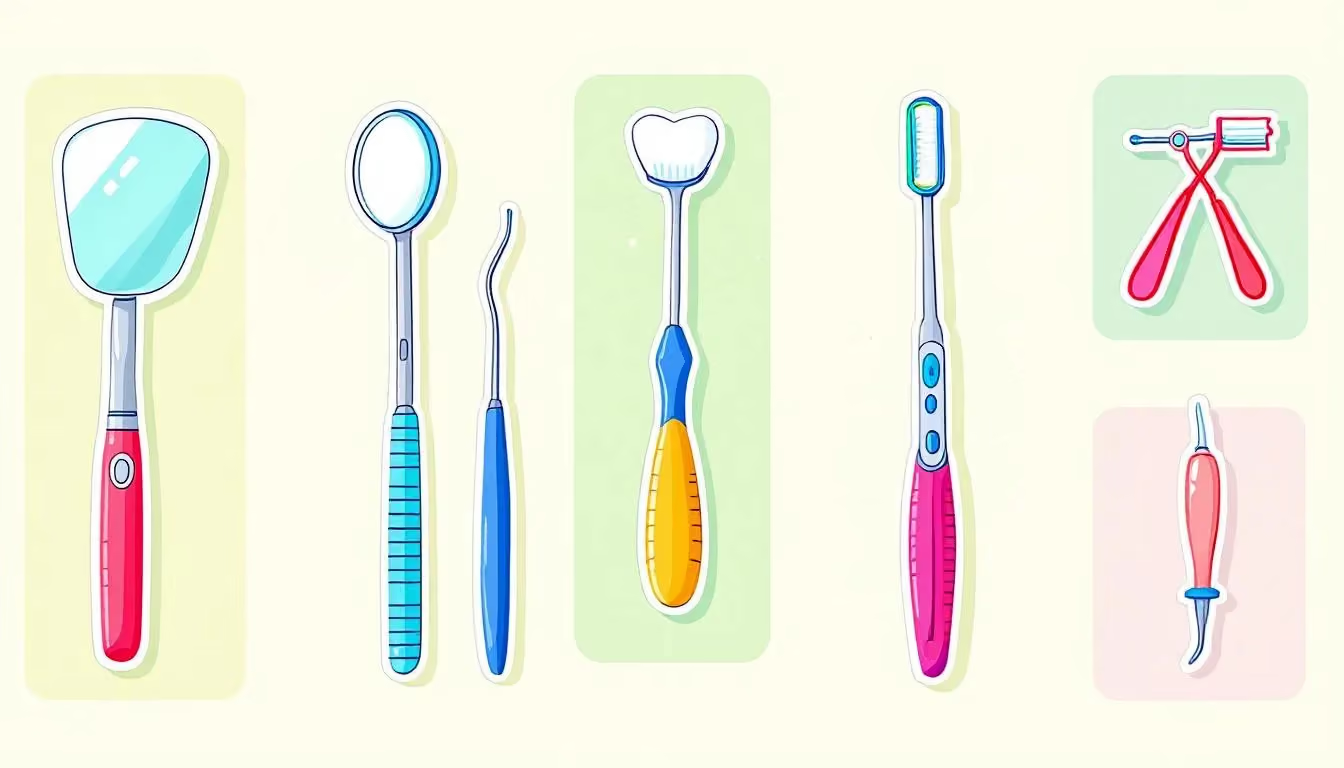
If you’re working as a dental hygienist, you know how many different tools and techniques you use every day to give your patients great dental care. Dental hygienists use personal protective equipment such as safety glasses and surgical masks to protect themselves and their patients during procedures. These tools help you do professional cleanings, figure out what’s going on with someone’s oral health, and give them preventive treatments that really make a difference. When you use the right instruments, you can get rid of plaque and tartar, polish teeth, and apply protective treatments like fluoride and sealants.
You’ll use diagnostic tools like dental x-rays all the time - they’re crucial for spotting cavities, checking bone levels, and catching other oral health issues before they get worse. If you’re working with advanced tech like digital x-rays, you’re cutting down on radiation exposure and can see images right away, which makes your diagnoses way more accurate.
Preventive treat like fluoride applications and fissure sealants are what you do to keep your patients’ mouths healthy and stop cavities before they start. These treatments help make enamel stronger and give teeth a protective barrier against decay, so your patients can have healthy mouths for years to come. Dental hygienists may also recommend specific toothbrushes as part of their oral hygiene instructions to help patients maintain good dental health at home.
Dental Instruments
You've got a whole arsenal of instruments that help you do your job right. Your dental scaler is probably your best friend - it's got that hooked end that's perfect for getting under the gumline and removing all that stubborn plaque and tartar. Then you've got your polishers, which are powered tools that smooth out tooth surfaces and make teeth look great after you're done cleaning.
Your polishing tools are what make it harder for plaque to build up again by smoothing and shining tooth surfaces after you've gotten rid of all the buildup - kind of like how a toothbrush works. These instruments are what you need to keep your patients' dental hygiene on point and make sure they've got optimal oral health.
Diagnostic Tools
When you need to figure out what's happening in someone's mouth, diagnostic tools are everything. You can't do your job without dental x-rays - they let you see cavities, check bone levels, and spot other oral health problems that you'd miss otherwise. If you're using digital x-rays, you're getting less radiation exposure for your patients and you can see and store images right away, which makes your diagnoses so much better.
These diagnostic tools let you give your patients accurate assessments of their oral health and come up with treatment plans that actually work. When you're using advanced tech, you can give better care and get better results for the people you're treating.
Preventive Treatments
Preventive treatments are where you really shine as a dental hygienist - this is how you keep teeth and gums healthy. When you apply fissure sealants to the chewing surfaces of teeth, you’re shielding them from decay, especially in those spots that are hard to reach. These sealants give you a protective barrier that stops plaque and food particles from causing cavities.
Fluoride treatments are another big part of what you do - they help strengthen enamel and make teeth way more resistant to decay. When you provide these treatments, you’re playing a huge role in cutting down on dental problems and making sure your patients have healthy mouths for the long haul. Fluorides are a key part of these treatments you’re giving.
In some dental procedures, nitrous oxide may be administered to help patients remain comfortable and relaxed.
Differences Between Dental Hygienists, Dentists, and Dental Assistants
If you work in a dental office, you know there are different professionals doing different things, and each role matters for patient care. As a dental hygienist, you've got your own unique and essential role, just like dentists and dental assistants do. Understanding what makes these roles different can help you appreciate how much comprehensive care you're all providing together.
Here's how the roles break down in your dental office:
- If you're a dental hygienist: You focus on preventive care, patient education, and keeping oral hygiene on track.
- If you're a dentist: You do comprehensive evaluations, diagnoses, and complex procedures.
- If you're a dental assistant: You mainly support dental procedures and handle administrative tasks, keeping the office running smoothly.
Even though you've all got specialized roles, everyone on your dental care team works together to give high-quality care and make sure patients have optimal oral health. This teamwork is what makes it possible to deliver comprehensive dental services and take care of all the different needs patients have.
Dental Hygienist vs. Dentist
As a dental hygienist, your main focus is on preventive dental treatments and patient education, while dentists do comprehensive evaluations, diagnoses, and complex procedures. If you're thinking about becoming a dental hygienist, you'll usually complete an accredited dental hygiene program that gets you an associate's or bachelor's degree, while dentists need a doctorate degree from dental school.
These differences in what you do and how much education you need define your role versus a dentist's role on the dental care team. You focus on preventive care and keeping good dental hygiene going, while dentists handle diagnosing and treating oral health issues.
Dental Hygienist vs. Dental Assistant
As a dental hygienist, you specialize in teeth cleaning, patient education, and disease prevention, while dental assistants mainly support dental procedures and handle administrative tasks. Your training requires more education and licensure compared to dental assistants, which makes sense given your advanced responsibilities.
You need strong communication skills since you're talking with patients every day and working with your healthcare team members. This mix of technical and people skills lets you provide specialized care and really contribute to your overall dental care team.
Benefits of Being a Dental Hygienist
If you're thinking about becoming a dental hygienist, you'll get lots of benefits - job stability, flexibility, and competitive pay. You'll probably love the high degree of job fulfillment you get from promoting oral health and helping patients keep their smiles healthy. The demand for what you do keeps growing in healthcare, so you've got a stable and rewarding career path ahead of you.
Plus, you can choose flexible schedules, including part-time positions and shifts that fit your personal life. This flexibility lets you balance your work and personal stuff without going crazy.
And you'll often get competitive wages and benefits, which makes the profession financially worth it. The median annual salary for dental hygienists is about $87,530, with top earners making over $118,400. This competitive pay, plus the good feeling you get from helping others, makes dental hygiene a really attractive career choice.
Flexibility and Work-Life Balance
Lots of dental hygienists work part-time, so you can have flexible scheduling and more personal time. This flexibility lets you go after other interests, spend time with family, or even take on additional roles in different dental practices. You can work varied hours, including part-time and flexible shifts, so you can balance your personal life and work without stress.
Being able to choose flexible schedules and part-time positions makes dental hygiene appealing if you want a good work-life balance. This flexibility is especially great if you've got personal commitments, like taking care of kids or going to school.
Job Satisfaction
Being a dental hygienist is rewarding because you directly impact patient health and well-being. For more insight, see the top 10 reasons dental hygienists love their careers. You play a huge role in helping patients keep optimal oral health through education and preventive care. What you do positively affects patients' overall health, making your role vital in the healthcare system.
When you participate in continuing education programs, you enhance your skills and knowledge so you can provide high-quality patient care. This ongoing learning adds to your job satisfaction because you feel empowered to offer the best possible care to your patients.
Competitive Pay
The median annual salary for dental hygienists is about $87,530, with potential earnings going over $118,400 if you're a top-performing professional. Your salary is generally competitive, and lots of dental hygienists get benefits that make the job even more attractive. Your salary is often above average compared to many other jobs, plus you get potential benefits that boost your overall compensation.
This competitive pay shows how much demand there is for skilled dental hygienists and how valuable your contributions are to oral health care. Financial rewards, combined with the good feeling you get from helping others, make dental hygiene a really rewarding career choice.
Challenges Faced by Dental Hygienists
Even with all the benefits, you’ll also face several challenges in your profession, including:
- High stress levels from tight schedules
- Emotional demands of dealing with patients
- Challenging patient interactions
- Keeping high standards of care
Dental hygienists must also address oral health problems found during patient assessments and screenings, such as signs of gum disease or other issues identified through examinations.
Physical demands are another big challenge - you spend long hours on your feet and do repetitive motions that can lead to musculoskeletal disorders. Plus, you’re at increased risk of exposure to infectious diseases because of bioaerosols that get produced during procedures.
You’ve also got to stay updated with the latest advances in dental technology and treatment techniques. This ongoing education is essential for keeping your licensure and making sure you can give the best possible care to your patients.
Physical Demands
The physical strain of long hours on your feet and repetitive motions leads to musculoskeletal disorders in a lot of dental hygienists. Those long periods of standing and repetitive hand movements can cause discomfort and health issues for you.
Your job requires you to do repetitive circular motions, which can lead to musculoskeletal disorders over time. Managing this process of physical demands is essential for keeping your health and well-being intact.
Exposure to Infectious Diseases
You're at increased risk of exposure to infectious diseases because of bioaerosols that get produced during procedures. The potential for cross-contamination in dental settings comes from contact with contaminated instruments and surfaces. Infections can get transmitted from patients to you and the other way around, which shows how exposure risk goes both ways.
Your dental care setting has to implement strict infection control measures, especially during outbreaks of airborne diseases like COVID-19.
Staying Updated with Technology
Advances in dental technology, like digital radiography and intraoral cameras, make diagnostic accuracy and treatment better for you as a dental hygienist. When artificial intelligence gets integrated into dental hygiene, it can improve your diagnostic capabilities, though it faces challenges like data limitations and ethical concerns.
You need comprehensive training and additional training on new technologies to effectively adopt and use advanced tools in your practice. Staying updated with these advances is crucial for providing high-quality care and making sure your patients are satisfied.
Summary
As a dental hygienist, you play a vital role in keeping oral health strong through preventive care, patient education, and using advanced tools and techniques. What you contribute is essential in making sure patients keep healthy teeth and gums, cutting down on the need for extensive dental treatments. Your educational pathway is rigorous - you need accredited programs and state licensure to make sure you're providing high standards of care.
Even with the challenges you face, including physical demands and needing to stay updated with technology, you get lots of benefits like flexibility, job satisfaction, and competitive pay. Your work isn't just rewarding - it's also critical in promoting overall health and well-being. As demand for dental hygienists keeps growing, your role in the healthcare system stays essential.
Frequently Asked Questions
What are the primary duties of a dental hygienist?
Your primary duties as a dental hygienist include teeth cleaning, providing patient education, and delivering preventive care. These responsibilities are crucial for keeping oral health strong and preventing dental issues.
What educational requirements are needed to become a dental hygienist?
To become a dental hygienist, you need to complete an accredited dental hygiene program that combines both theoretical and practical training. This foundational education gets you ready for a successful career in dental health.
What is the median annual salary for dental hygienists?
The median annual salary for dental hygienists is $94,260. This figure shows what professionals in this field get paid as of May 2024.
What are some common work environments for dental hygienists?
You'll typically work in private dental offices, corporate dental settings, community health centers, nursing homes, schools, and correctional facilities, giving you a range of environments that serve different patient needs.
What are some of the challenges faced by dental hygienists?
You'll often run into physical demands, exposure to infectious diseases, and the need to keep up with evolving dental technologies. These challenges require you to be resilient and keep developing professionally.